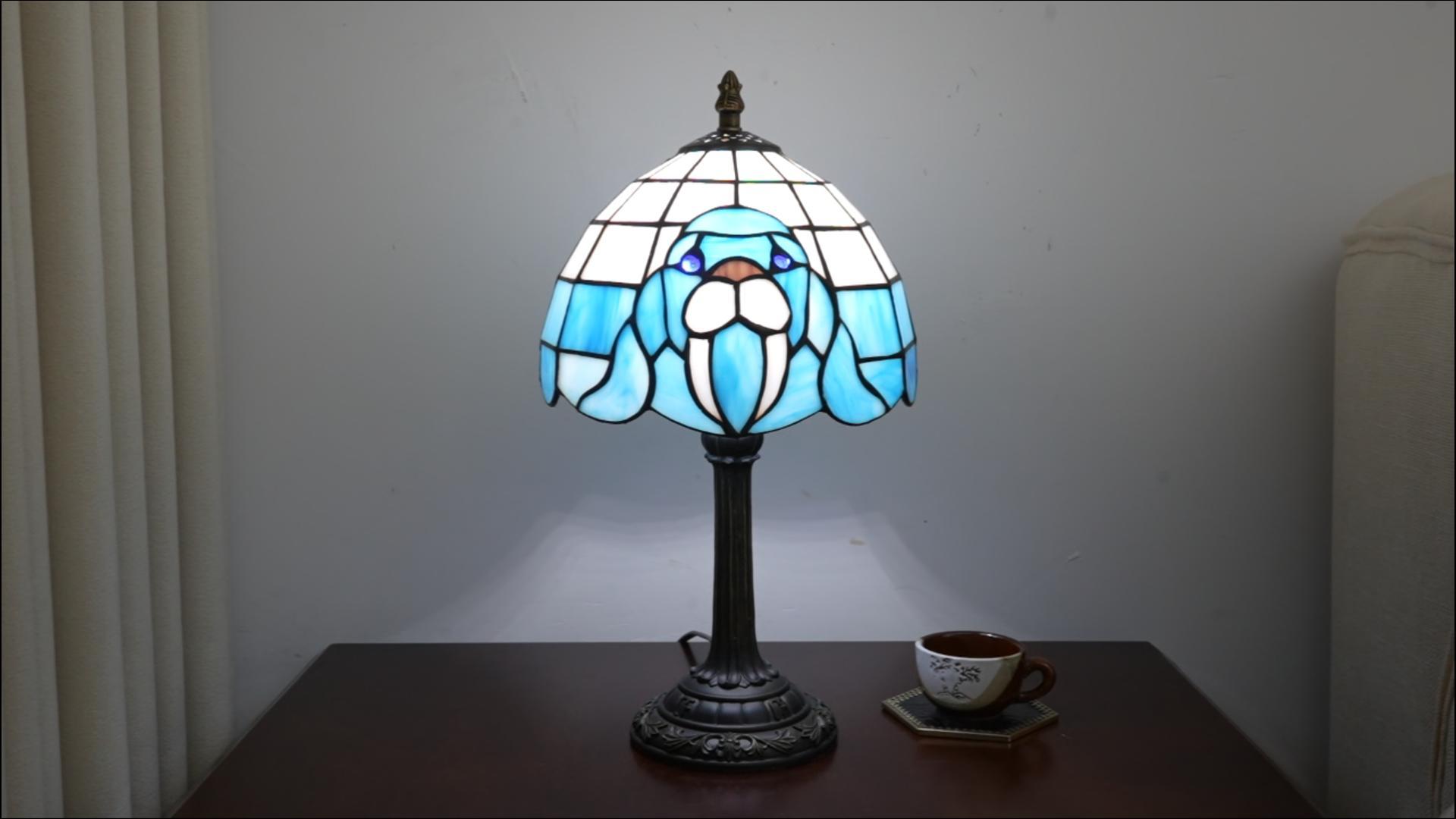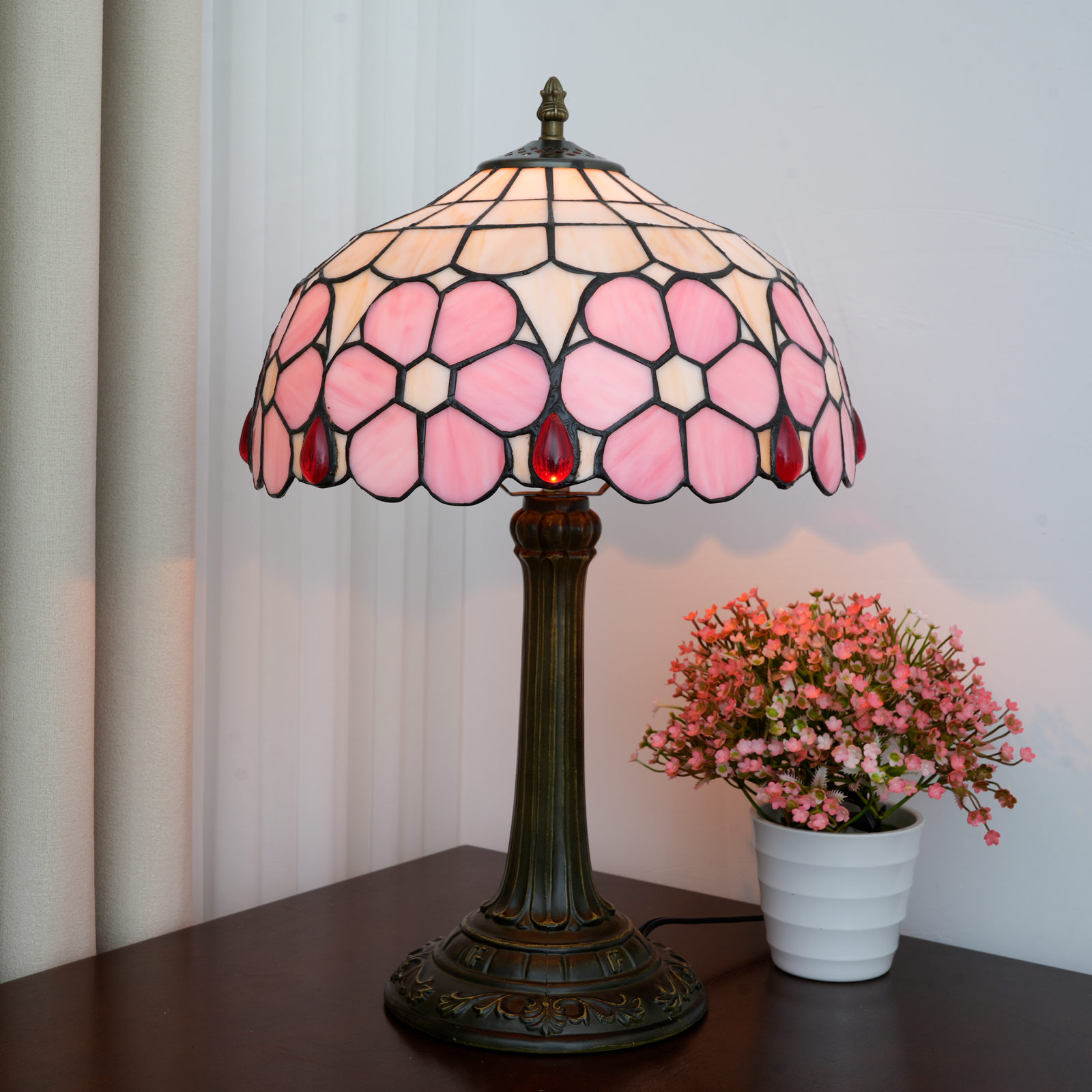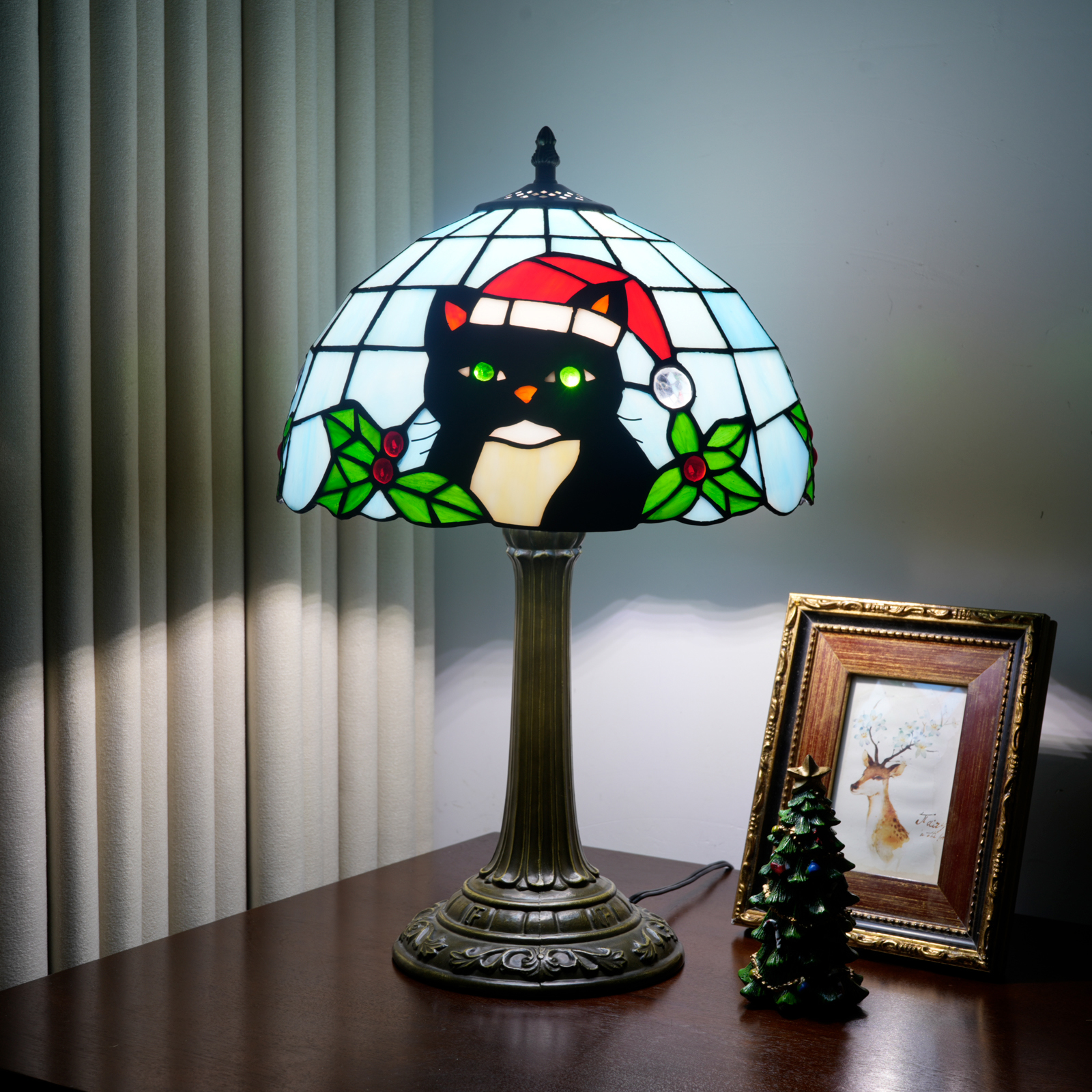





Ambient Lighting: The Ultimate Guide to Transforming Your Spacetiffany table lamp
November 7, 2026

What Is Ambient Lighting?
Ambient lighting, often referred to as general lighting, is the primary source of light in a room. It provides overall illumination, allowing you to move safely and comfortably while setting the mood for the entire space. Unlike task or accent lighting, ambient lighting is designed to light up the room uniformly, eliminating dark corners and creating a welcoming atmosphere. Common sources include ceiling fixtures, chandeliers, recessed lights, and wall sconces. The goal is to achieve a balanced level of brightness that suits the room's function—whether it's a cozy living room or a bright, productive office.
Why Ambient Lighting Matters
Ambient lighting is crucial for both aesthetics and well-being. Proper ambient lighting can reduce eye strain, improve visibility, and enhance the perceived size of a room. It also plays a key role in setting the mood—soft, warm light can make a space feel intimate, while bright, cool light promotes alertness. Additionally, ambient lighting can highlight architectural features and serve as a backdrop for other lighting layers. Without adequate ambient light, a room may feel cramped or unwelcoming, and tasks may become difficult. Therefore, investing time in planning your ambient lighting is essential for any interior design project.
Types of Ambient Lighting Fixtures
There are numerous fixtures to choose from when designing ambient lighting. Ceiling-mounted fixtures such as flush mounts and semi-flush mounts are popular for general illumination. Chandeliers and pendants add a decorative touch while providing ambient light. Recessed lighting offers a clean, streamlined look and can be adjusted with dimmers. Track lighting allows flexibility in directing light. Wall sconces and cove lighting can create indirect ambient light that softens the room. For a modern approach, LED strip lights behind furniture or along ceilings can provide a gentle glow. Each type has its pros and cons, so consider the room's size, ceiling height, and style before deciding.
How to Choose the Right Ambient Lighting
Selecting the right ambient lighting involves several factors. First, consider the room's function: a kitchen needs bright, even light for cooking, while a bedroom benefits from softer, dimmable light. Second, think about lumens—the measure of brightness. As a rule of thumb, living rooms require 10-20 lumens per square foot, while kitchens need 30-40. Third, pay attention to color temperature: warm white (2700K-3000K) creates a cozy feel, while cool white (4000K-5000K) is better for workspaces. Fourth, use dimmers to adjust brightness and create flexibility. Finally, consider the style and placement of fixtures to complement your decor. Layering ambient light with task and accent lighting will yield the best results.
Common Mistakes to Avoid
Even with good intentions, many people make mistakes with ambient lighting. One common error is over-illumination, which can cause glare and discomfort. Another is ignoring dark corners—ambient light should be evenly distributed. Using only one central light source can create harsh shadows; instead, combine multiple sources. Neglecting dimmers limits flexibility and energy savings. Also, be cautious with color temperature consistency; mixing warm and cool lights in the same room can look jarring. Lastly, don't forget to update old fixtures—outdated lighting can date a room and waste energy. Avoiding these pitfalls will help you achieve a comfortable and stylish environment.
Ambient Lighting Trends and Technologies
The world of ambient lighting is evolving rapidly. Smart lighting systems allow you to control brightness and color temperature via apps or voice commands, enhancing convenience and energy efficiency. LED technology continues to improve, offering long-lasting, energy-efficient options in various shapes and sizes. Human-centric lighting mimics natural daylight patterns to support circadian rhythms, promoting better sleep and productivity. Integrated lighting in furniture and architectural elements is also gaining popularity, creating seamless, modern looks. As we move forward, expect to see more sustainable materials and wireless solutions that simplify installation. Keeping up with these trends can help you create a future-proof lighting design.
Frequently Asked Questions
What is the difference between ambient and task lighting?
Ambient lighting provides overall illumination for a space, while task lighting is focused on specific areas for activities like reading or cooking. Ambient lighting sets the general mood, whereas task lighting enhances visibility for precise tasks.
How many ambient lights do I need for a room?
The number depends on room size and desired brightness. A good approach is to use a central fixture plus additional sources like recessed lights or sconces. Calculate total lumens needed based on square footage (e.g., 10-20 lumens per square foot for living rooms) and distribute accordingly.
Can I use ambient lighting as the only light source?
Yes, ambient lighting can be the sole source, but it may not be sufficient for tasks that require focused light. It's best to layer ambient with task and accent lighting for a balanced and functional space.
What color temperature is best for ambient lighting?
Warm white (2700K-3000K) is ideal for living rooms and bedrooms to create a relaxing atmosphere. Cool white (4000K-5000K) is better for kitchens and workspaces where alertness is needed. Dimmable options allow you to adjust as needed.
How can I save energy with ambient lighting?
Use LED bulbs, install dimmers, and incorporate smart controls to reduce usage. Also, take advantage of natural light during the day and turn off lights when not needed. Proper zoning and timers can further enhance energy efficiency.