




The Complete Guide to Stained Glass Table Lamps: Adding Art and Ambiance to Your Spacelamp
November 10, 2026

What Is a Stained Glass Table Lamp?
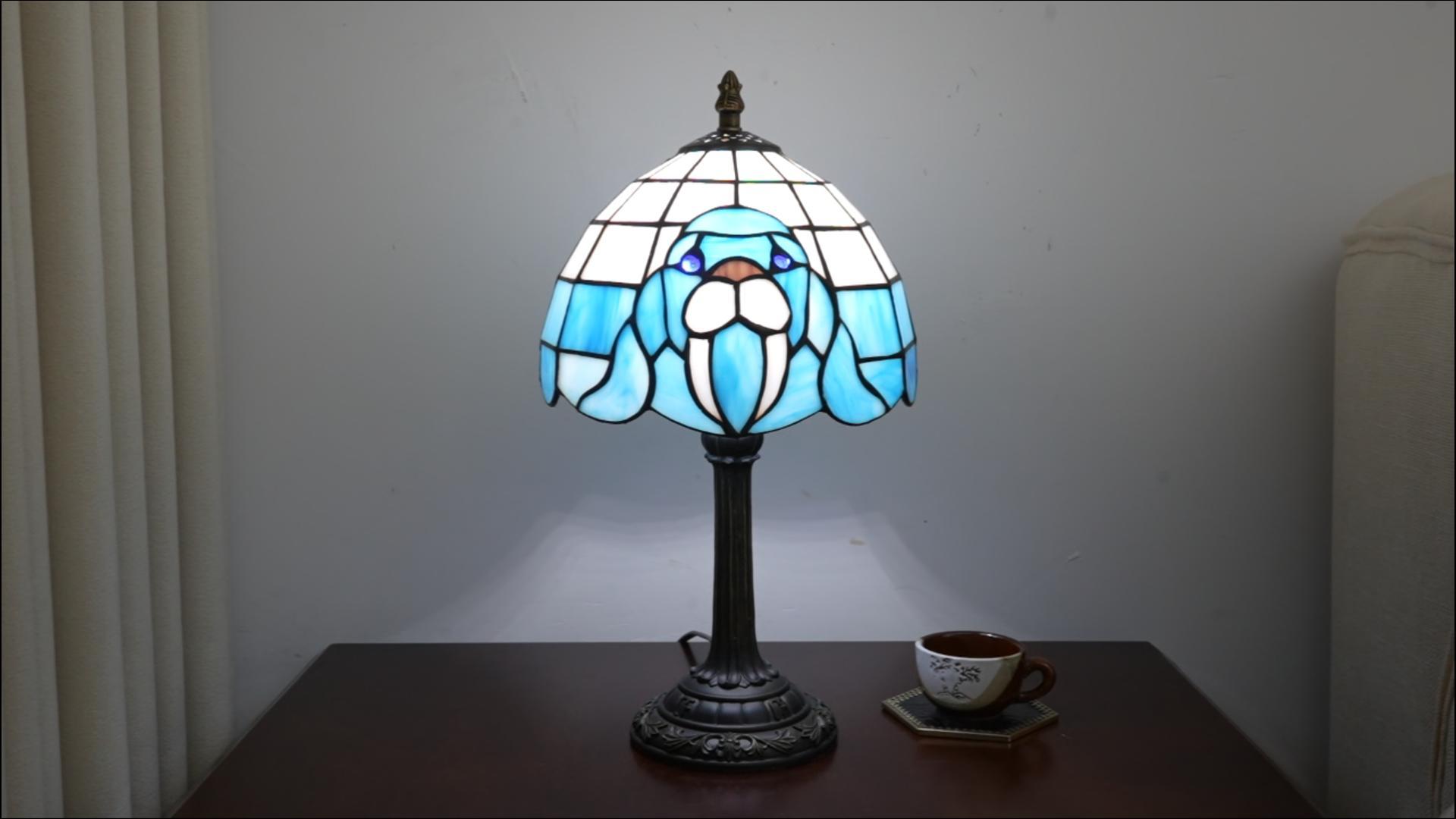
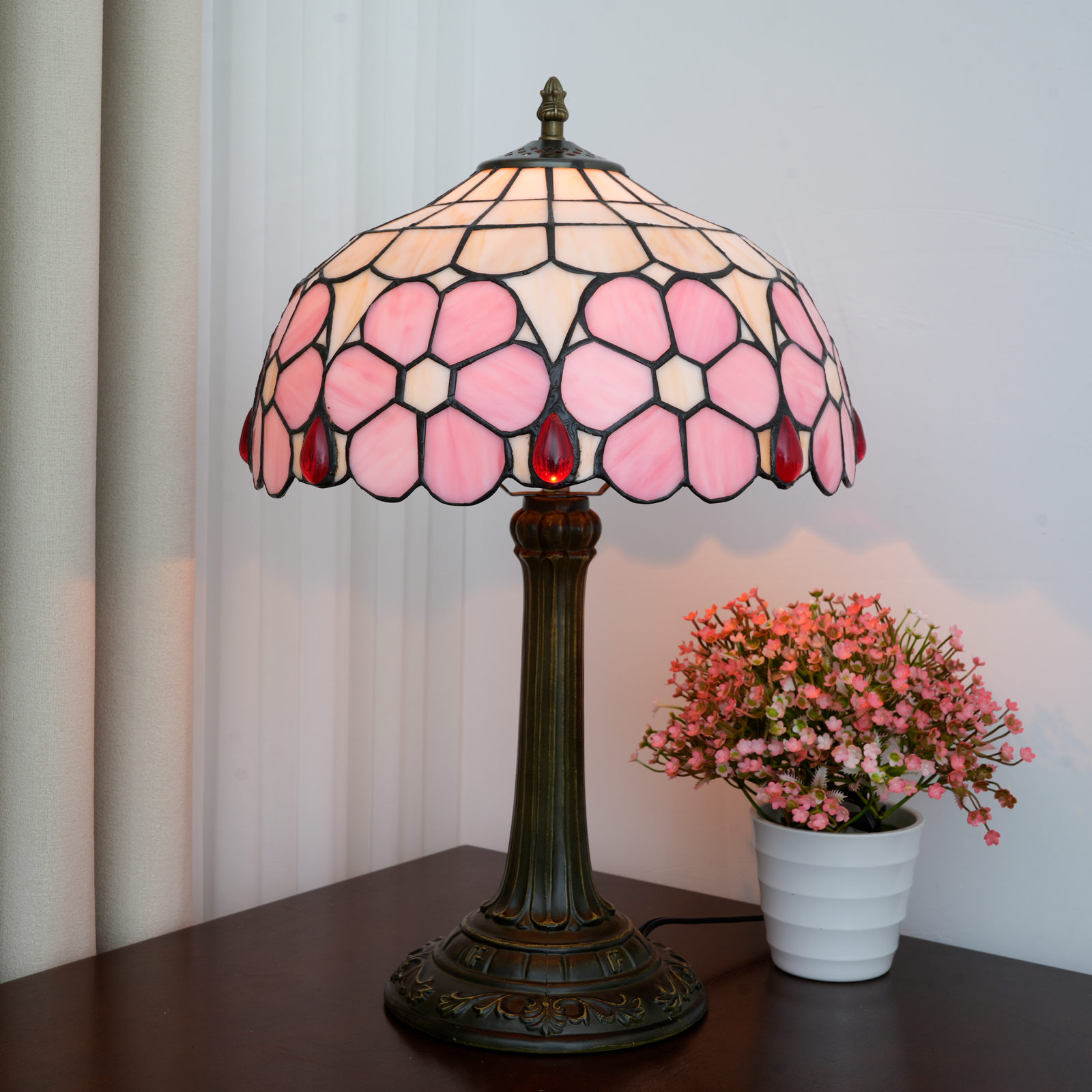
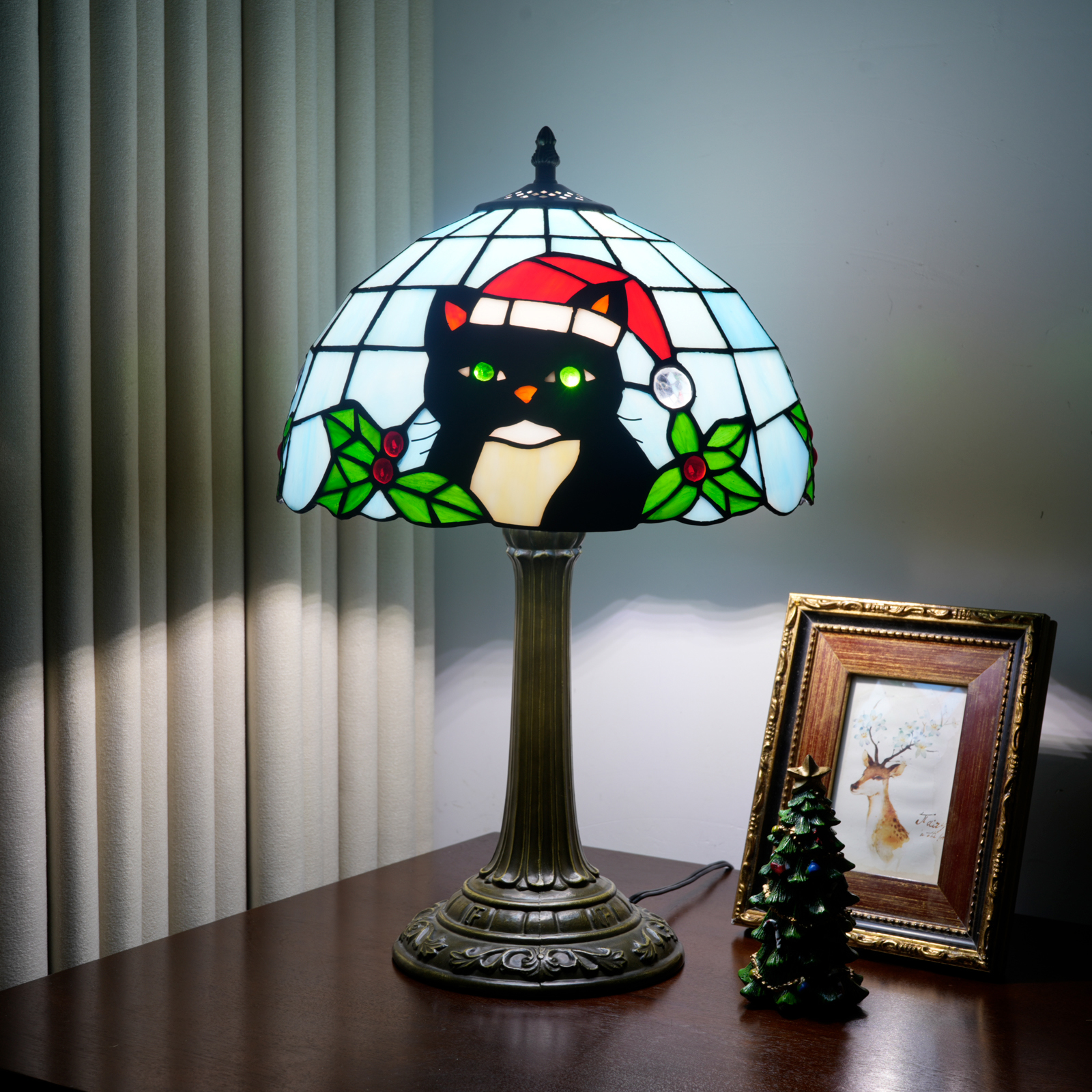
A stained glass table lamp is a decorative lighting fixture that features panels of colored glass joined together, often with lead or copper foil, to create intricate patterns and scenes. These lamps are not only functional sources of light but also serve as striking pieces of art that enhance the ambiance of a room. The most iconic examples are Tiffany lamps, developed by Louis Comfort Tiffany in the late 19th century, which are renowned for their exquisite craftsmanship and vibrant colors.
A Brief History of Stained Glass Lamps
The art of stained glass has ancient roots, but its application in table lamps is relatively modern. The Tiffany Studios in New York popularized stained glass lamps during the Art Nouveau period. These lamps were handmade, with each piece of glass selected for its color and texture, and assembled into stunning shades depicting flowers, landscapes, and geometric designs. Today, stained glass table lamps are available in a wide range of styles, from faithful reproductions of Tiffany classics to contemporary designs that incorporate modern motifs and LED technology.
Choosing the Right Stained Glass Table Lamp
When selecting a stained glass table lamp, consider the following factors to ensure it fits your needs and décor:
Style and Design: Decide whether you want a vintage-inspired Tiffany-style lamp or a more contemporary piece. The design should complement your existing furniture and interior style. For example, a floral Tiffany lamp suits a traditional or eclectic room, while a geometric stained glass lamp may fit better in a modern setting.
Size and Scale: The lamp should be proportionate to the table it sits on and the room's overall size. A large lamp on a small side table can overwhelm the space, while a tiny lamp on a large desk may look insignificant. Measure the available space and consider the lamp's height and shade diameter.
Light Source: Traditional stained glass lamps use incandescent bulbs, but many modern versions are compatible with LED bulbs, which are energy-efficient and produce less heat. Consider the brightness and color temperature you need—warm white bulbs enhance the cozy feel of stained glass, while cooler bulbs may be better for task lighting.
Quality of Craftsmanship: Inspect the lamp for well-soldered joints, smooth glass edges, and a sturdy base. Handcrafted lamps with copper foil technique often have a finer, more detailed appearance than mass-produced ones. Also, check the weight—a heavier base provides stability and indicates quality materials.
Incorporating Stained Glass Lamps into Your Decor
Stained glass table lamps are versatile and can be placed in various rooms. Here are some ideas:
Living Room: Place a stained glass lamp on an end table or console to create a focal point. The warm glow and colorful patterns add a touch of elegance and can be a conversation starter.
Bedroom: Use a stained glass lamp as a bedside reading light. The soft, diffused light is easy on the eyes and creates a relaxing atmosphere. Choose a smaller size to fit on a nightstand.
Home Office: A stained glass desk lamp can add personality to your workspace while providing adequate task lighting. Opt for a design with a adjustable arm or gooseneck for flexibility.
Entryway or Hallway: A stained glass lamp on a console table in the entryway welcomes guests with a warm glow and showcases your style.
Care and Maintenance Tips
To keep your stained glass table lamp looking beautiful for years, follow these simple care tips:
Cleaning: Dust the shade regularly with a soft, dry cloth. For deeper cleaning, use a mild soap solution and a soft brush to gently remove dirt from the glass and metal parts. Avoid harsh chemicals or abrasive materials that can damage the glass or finish. Always unplug the lamp before cleaning.
Handling: Stained glass shades are fragile, so handle them with care. When moving the lamp, support the shade with both hands and avoid putting stress on the joints. Keep the lamp away from high-traffic areas where it might be knocked over.
Bulb Replacement: Use the correct wattage bulb as recommended by the manufacturer. Overpowered bulbs can cause overheating and damage the glass or wiring. Consider switching to LED bulbs to reduce heat output and energy consumption.
Storage: If you need to store the lamp, wrap the shade in bubble wrap or a soft cloth and place it in a sturdy box. Store in a dry, cool place to prevent damage from moisture or extreme temperatures.
常见问题
Are stained glass table lamps still in style?
Yes, stained glass table lamps have timeless appeal and can fit into various decor styles, from traditional to eclectic and even modern. Their artistic value and warm ambiance make them a cherished addition to any home.
Can I use a stained glass lamp as my main light source?
Stained glass lamps are typically used as accent or task lighting because the colored glass filters and diffuses light, reducing overall brightness. For general illumination, they are best used in combination with other light sources.
How do I know if a stained glass lamp is well-made?
Look for signs of quality craftsmanship: smooth solder lines, tightly fitted glass pieces, a sturdy base, and a manufacturer's label or signature. Handcrafted lamps often have slight variations in glass color and texture, which are hallmarks of authenticity.
Can I repair a damaged stained glass lamp myself?
Minor repairs, such as tightening a loose socket or replacing a bulb, can be done by yourself. However, repairing cracked or broken glass requires specialized skills and tools. It's best to consult a professional stained glass artist or restoration specialist for significant damage.
Where can I buy stained glass table lamps?
You can find stained glass table lamps at specialty lighting stores, antique shops, art galleries, and online retailers. When buying online, read reviews and check the return policy to ensure you're satisfied with your purchase.