




The Small Lamp: A Comprehensive Guide to Selection, Use, and Carehome decor
November 7, 2026

Introduction to Small Lamps
A small lamp is more than just a light source; it's a versatile accessory that can enhance ambiance, provide task lighting, and add a touch of personality to any room. Whether you're looking for a bedside companion, a desk assistant, or a decorative accent, understanding the nuances of small lamps can help you make informed decisions. In this guide, we'll delve into the world of small lamps, covering everything from types and selection criteria to usage tips and maintenance.
Types of Small Lamps
Small lamps come in various designs, each suited to different needs and settings. Desk lamps are adjustable and focused, ideal for workspaces. Bedside lamps often feature soft lighting and stylish bases, perfect for reading or relaxing. Accent lamps are decorative pieces that add character to shelves or side tables. Clip-on lamps are space-saving options for books or headboards. Battery-operated lamps offer portability and are great for outdoor use or emergencies. Understanding these types helps you choose the right lamp for your specific use case.
Key Factors in Choosing a Small Lamp
When selecting a small lamp, consider size and scale to ensure it fits your space without overwhelming it. Light output is crucial; measured in lumens, it determines brightness. For task lighting, aim for at least 450 lumens; for ambiance, 200-300 lumens suffice. Color temperature affects mood: warm white (2700K-3000K) is cozy, while cool white (4000K-5000K) is energizing. Adjustability features like dimmers or articulating arms add flexibility. Energy efficiency matters too; LED lamps consume less power and last longer. Finally, design and material should complement your decor and withstand daily use.
Placing and Using Small Lamps Effectively
Proper placement enhances both function and aesthetics. For task lighting, position the lamp so light falls directly on your work area without casting shadows. For ambient lighting, place lamps in corners or on side tables to create a warm glow. Use multiple small lamps instead of a single bright overhead light to achieve layered lighting, which reduces eye strain and adds depth. Adjust the height of desk lamps to avoid glare, and consider smart plugs or timers to automate lighting schedules. In small spaces, wall-mounted or clamp lamps save valuable surface area.
Maintenance and Safety Tips
Regular maintenance ensures your small lamp operates safely and efficiently. Clean the lamp regularly with a dry cloth to prevent dust buildup, which can dim light and pose a fire risk. Check cords and plugs for wear; replace damaged parts immediately. Use the correct bulb type and wattage as specified by the manufacturer to avoid overheating. Keep lamps away from flammable materials and ensure proper ventilation. For outdoor lamps, choose weather-resistant models and protect them from moisture. Unplug lamps before cleaning or changing bulbs, and consider using surge protectors to safeguard against power surges.
Enhancing Decor with Small Lamps
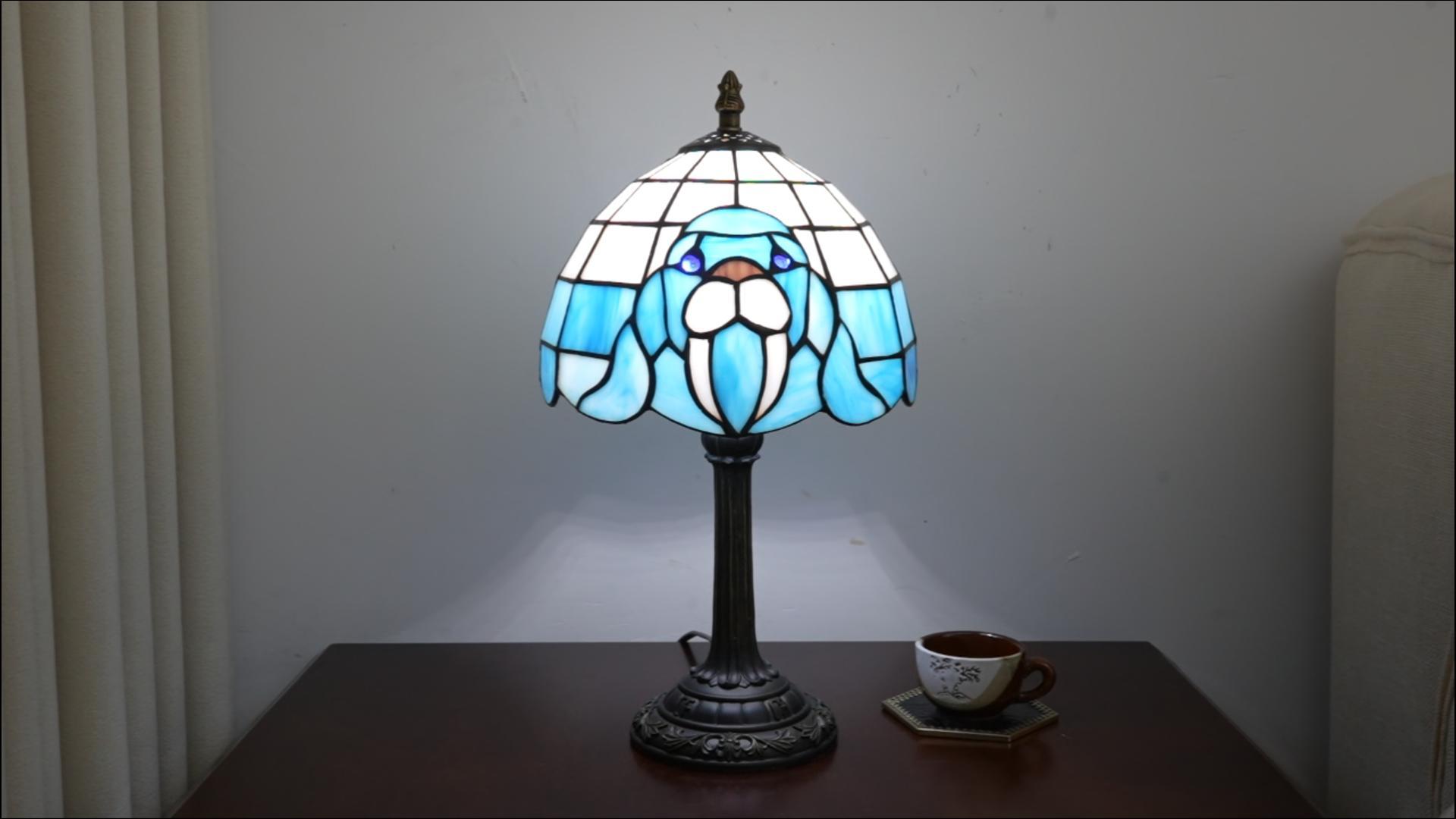
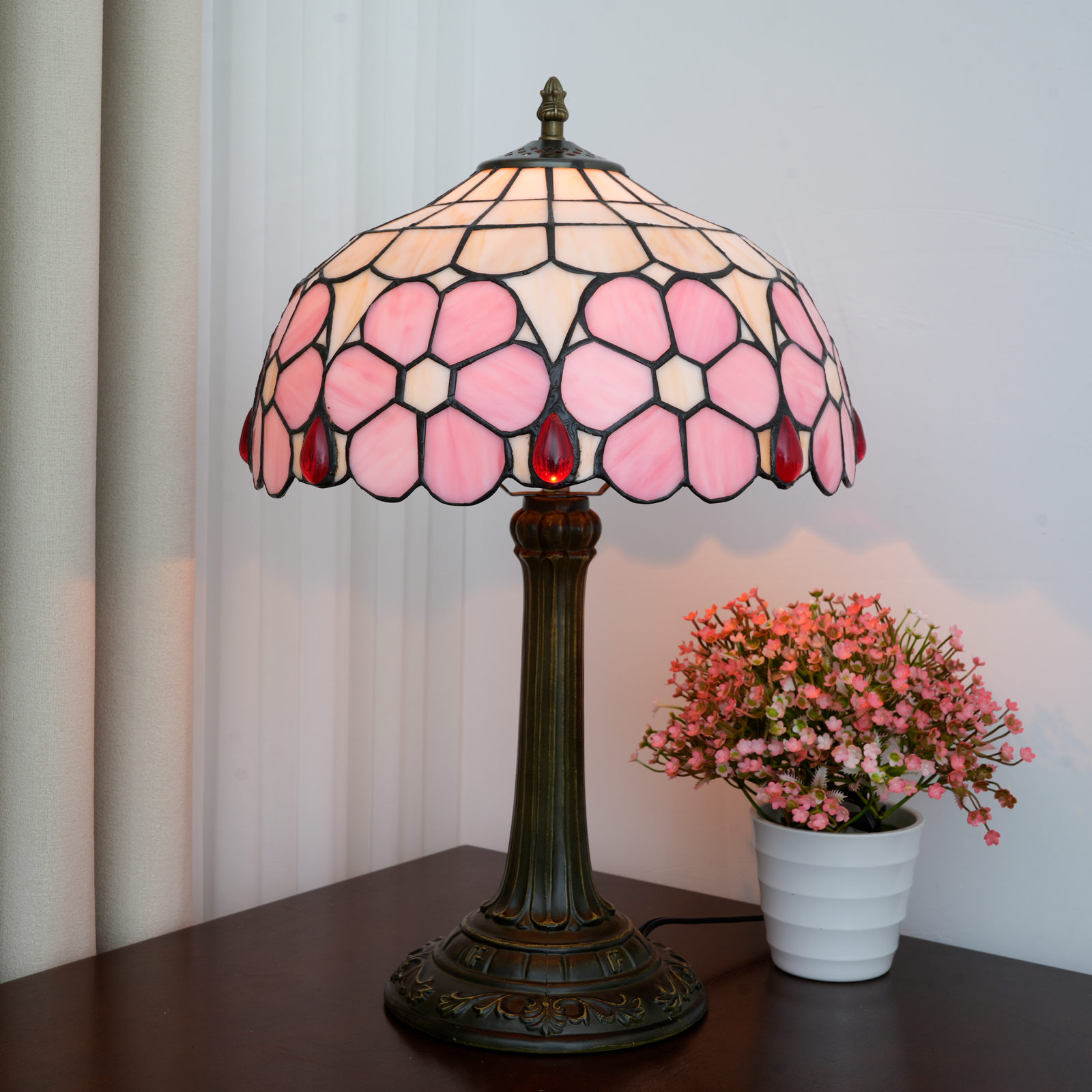
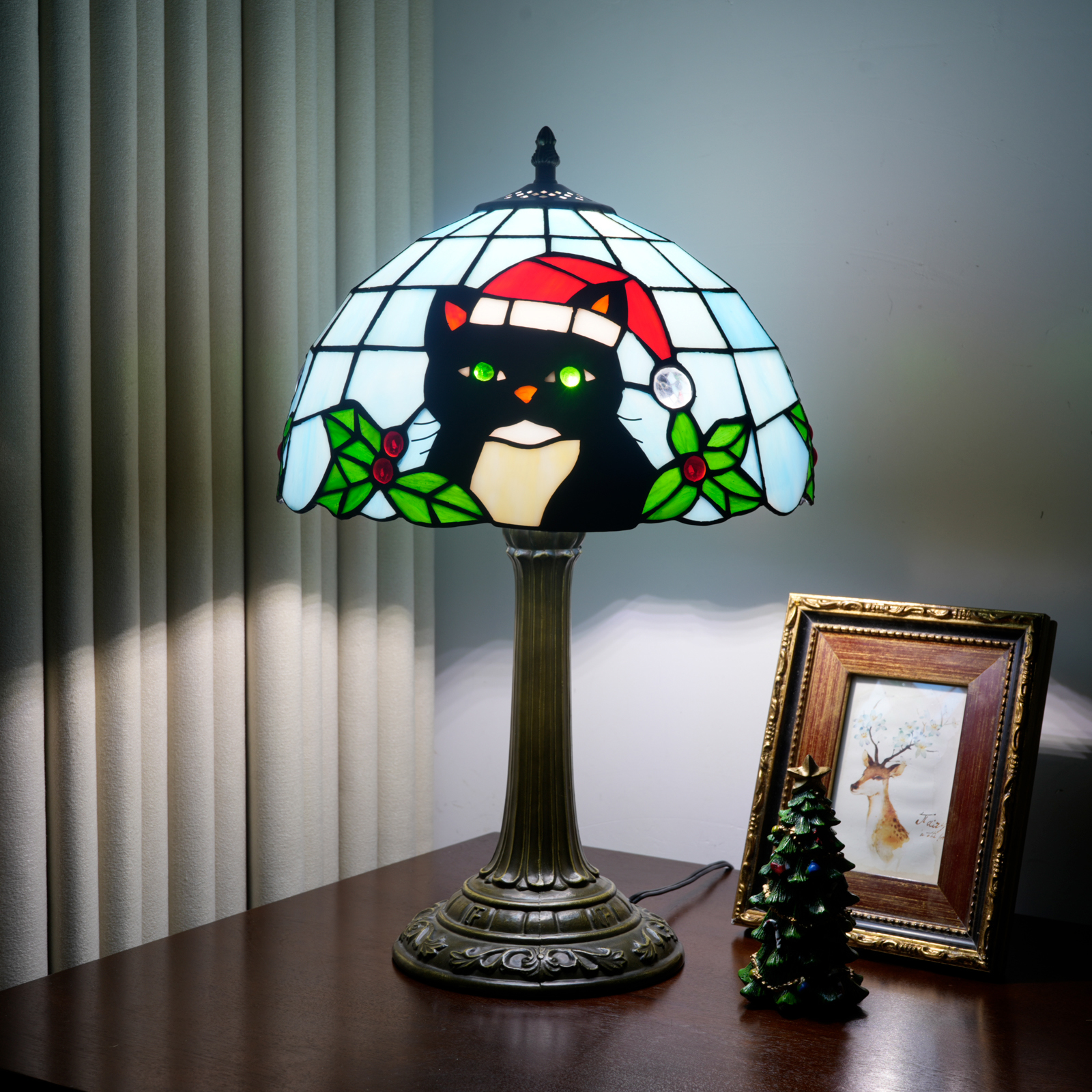
Small lamps are powerful decor tools. Statement bases in materials like ceramic, metal, or glass can serve as focal points. Color and finish should harmonize with your room's palette; metallic finishes add elegance, while bright colors inject energy. Lampshades influence light diffusion and style—fabric shades soften light, while metal shades direct it. Grouping lamps of different heights and shapes creates visual interest. In small rooms, use transparent or slender lamps to avoid visual clutter. Seasonal swaps of lampshades or bases can refresh your decor effortlessly.
Common Problems and Solutions
Even the best small lamps can encounter issues. Flickering lights often indicate a loose bulb or incompatible dimmer; tighten the bulb or consult an electrician. Lamp won't turn on: check the power source, bulb, and switch; replace faulty components. Overheating may result from using a bulb with higher wattage than recommended; always follow guidelines. Short lifespan of bulbs could be due to voltage fluctuations; use a surge protector. Unstable lamp: ensure the base is on a level surface and tighten any loose parts. For smart lamps, connectivity issues can often be resolved by resetting the device or updating firmware.
Frequently Asked Questions
What is the ideal lumen output for a bedside small lamp?
For reading in bed, aim for 450-800 lumens; for ambient lighting, 200-300 lumens is sufficient. Adjustable lamps with dimmers offer flexibility.
Can I use a higher wattage bulb than recommended?
No, exceeding the recommended wattage can cause overheating and fire hazards. Always follow the manufacturer's specifications.
How do I clean a small lamp safely?
Unplug the lamp first, then wipe with a dry or slightly damp cloth. Avoid getting moisture into electrical components. For lampshades, use a vacuum brush attachment or a lint roller.
Are battery-operated small lamps practical for daily use?
Yes, modern battery-operated lamps are efficient and convenient for areas without outlets. Rechargeable models are cost-effective and eco-friendly.
What should I do if my small lamp flickers?
Check for a loose bulb, incompatible dimmer, or faulty wiring. Tighten the bulb; if the issue persists, consult a qualified electrician.