




The Timeless Allure of the Tiffany Table Lamp: A Guide to History, Artistry, and CollectingBlivuself
November 13, 2026

The Origins of the Tiffany Table Lamp: A Revolution in Lighting
The Tiffany table lamp is more than just a source of light; it is a piece of art that revolutionized interior design at the turn of the 20th century. Created by Louis Comfort Tiffany and his studios, these lamps emerged from the Arts and Crafts movement and the American Gilded Age, embodying a perfect fusion of artistry and functionality. Tiffany, son of the famous jeweler Charles Lewis Tiffany, was initially a painter who became captivated by the interplay of light and color. His experiments with stained glass led to the development of Favrile glass, a type of iridescent glass that became the hallmark of Tiffany Studios. In 1895, Tiffany began producing lampshades made from pieces of this glass, assembled using copper foil—a technique inspired by medieval stained glass windows but adapted for three-dimensional, curved forms. The first Tiffany table lamps, such as the Dragonfly and Wisteria designs, were introduced in the early 1900s and quickly gained popularity among the affluent. These lamps were not merely lighting fixtures; they were status symbols, adorning the homes of industrialists and intellectuals. Today, original Tiffany lamps are highly sought after by collectors and can fetch millions at auction, a testament to their enduring appeal.
Craftsmanship and Design: The Art Behind the Shade
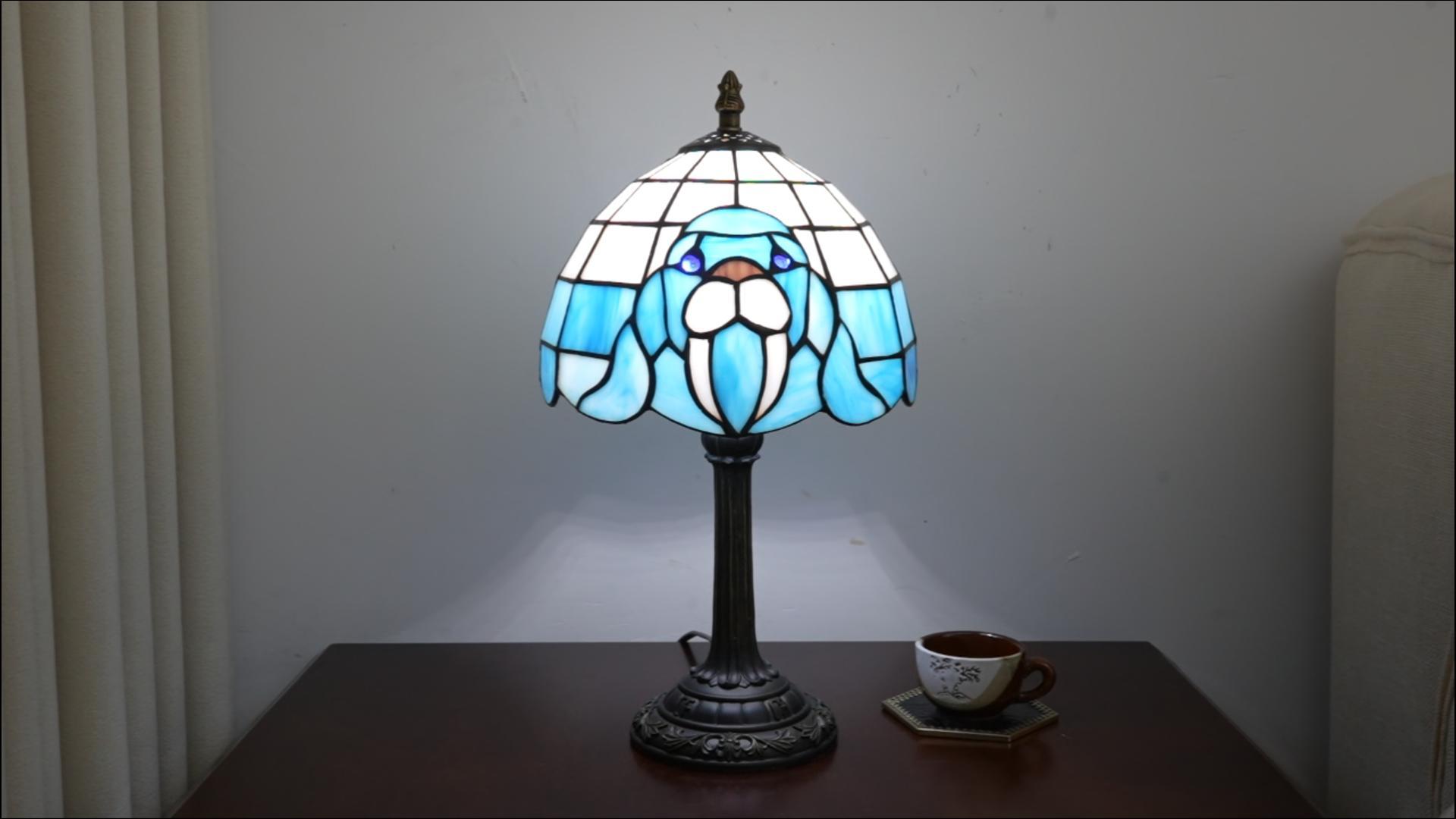
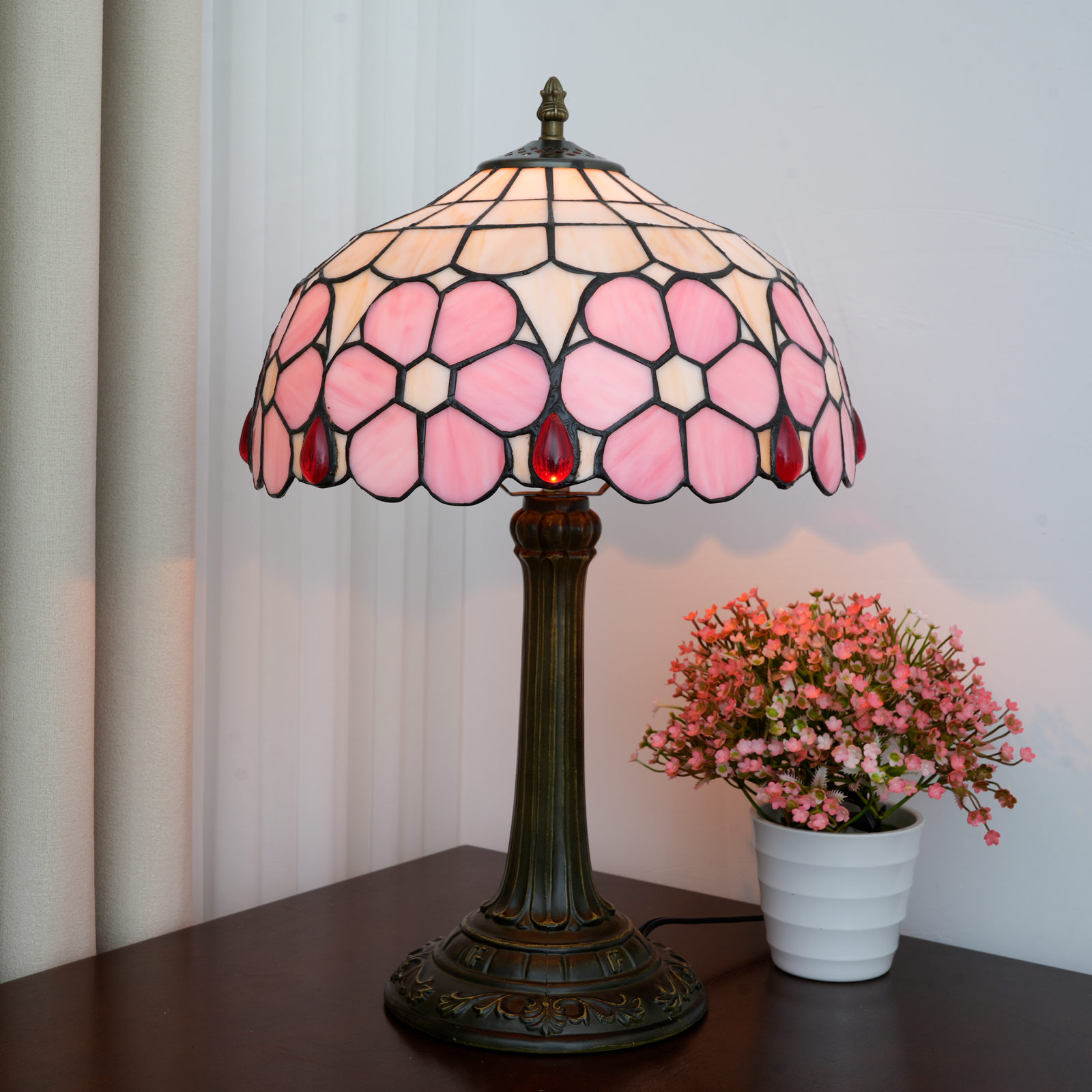
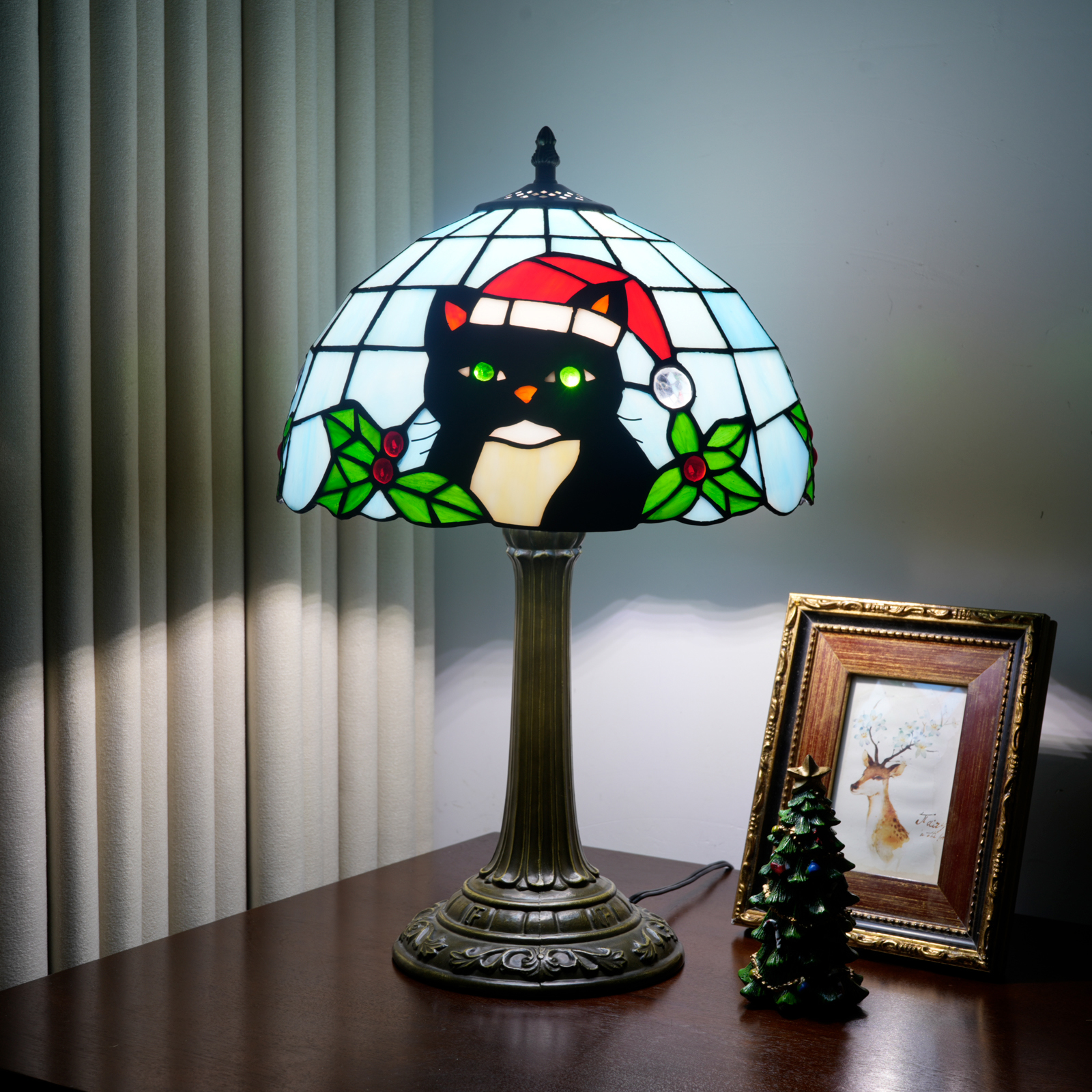
The beauty of a Tiffany table lamp lies in its meticulous craftsmanship. Each shade is composed of hundreds, sometimes thousands, of individual pieces of glass, carefully selected for color, texture, and opacity. The glass is cut by hand, wrapped in copper foil, and soldered together to form intricate patterns inspired by nature—flowers, insects, trees, and geometric motifs. The copper foil method allowed for greater flexibility and detail than traditional lead came, enabling Tiffany artisans to create shades with a painterly quality. The bases of these lamps are equally important, often made of bronze or cast metal with organic shapes that complement the shade. Many bases feature a bronze doré finish or a dark patina, adding to the lamp's antique charm. The design process was highly collaborative: Tiffany employed skilled designers like Clara Driscoll, who led the Women's Glass Cutting Department and is credited with creating some of the most iconic patterns, including the Dragonfly and Wisteria lamps. Each lamp was assembled with precision, and the final product was a harmonious blend of art and engineering. Today, these lamps are celebrated not only for their aesthetic value but also for their historical significance in the American Art Nouveau movement.
Identifying Authentic Tiffany Lamps: Key Features and Marks
For collectors, distinguishing an authentic Tiffany table lamp from a reproduction is crucial. Original Tiffany lamps bear specific marks that can help verify their authenticity. Most bases are stamped with the Tiffany Studios New York signature, often accompanied by a model number. Shades may have a small tag or etched signature, though some early examples are unmarked. The glass itself is a key indicator: authentic Favrile glass has a distinctive iridescence and depth that is difficult to replicate. Reproductions often use modern glass with a uniform texture and color, lacking the subtle variations of the original. Additionally, the patina on the base should show signs of age, such as fine cracks or wear in the crevices, consistent with decades of use. The solder lines on the shade should be smooth and evenly applied; sloppy or thick solder lines may indicate a later reproduction. It's also important to consider the design: certain patterns, like the Dragonfly, Peony, and Laburnum, are well-documented, and their details should match known examples. Prospective buyers should consult reference books, such as those by Martin Eidelberg and Alastair Duncan, and seek expert appraisal before making a significant investment. Remember, the market is flooded with reproductions, so caution and research are essential.
Incorporating Tiffany Lamps into Modern Interiors
While Tiffany table lamps are antiques, they can seamlessly integrate into contemporary interiors, adding a touch of vintage glamour. These lamps work best as accent pieces, drawing the eye and creating a warm, inviting atmosphere. Place a Tiffany lamp on a console table in an entryway to make a striking first impression, or use it as a bedside lamp for a touch of elegance. In a living room, a Tiffany lamp can serve as a focal point on a side table, complementing both traditional and modern decor. The key is to let the lamp stand out without overwhelming the space. Consider the color palette of the shade: lamps with greens and blues pair well with neutral tones, while those with warm reds and ambers can add richness to cooler schemes. Lighting experts recommend using a dimmable LED bulb to enhance the glass's glow while conserving energy and reducing heat, which can damage the shade over time. Avoid placing Tiffany lamps in direct sunlight, as prolonged exposure can fade the glass. With proper care, a Tiffany lamp can be both a functional light source and a timeless work of art.
Care and Maintenance: Preserving Your Tiffany Lamp
Proper care is essential to maintain the beauty and value of a Tiffany table lamp. Dust the shade regularly with a soft, dry cloth or a gentle brush attachment on a vacuum. Avoid using water or cleaning solutions, as moisture can damage the copper foil and solder. If the shade requires deeper cleaning, consult a professional conservator. The base can be wiped with a damp cloth and dried immediately; for bronze bases, a microcrystalline wax can be applied sparingly to protect the finish. Handle the lamp with care, supporting the shade from the bottom when moving it. Never pick up the lamp by the shade, as this can cause the solder joints to weaken. Display the lamp away from high-traffic areas and sources of heat or moisture. If you need to store the lamp, wrap the shade in acid-free tissue and place it in a sturdy box with plenty of padding. Periodically inspect the wiring and socket; if they appear frayed or damaged, have the lamp rewired by a qualified electrician to ensure safety. With these simple precautions, your Tiffany lamp can be enjoyed for generations.
Common Questions About Tiffany Table Lamps
How can I tell if a Tiffany lamp is real?
Authentic Tiffany lamps are marked with a signature, usually on the base, and exhibit high-quality craftsmanship with Favrile glass and precise soldering. Consult an expert or use reference guides to verify.
What is the value of a Tiffany table lamp?
Values vary widely based on rarity, condition, and pattern. Common patterns may start around $10,000, while rare ones like the Dragonfly can exceed $1 million. Auction records and appraisals provide accurate estimates.
Can I use a regular light bulb in a Tiffany lamp?
Yes, but it's best to use a low-wattage incandescent or dimmable LED bulb to avoid overheating and damaging the glass. Avoid bulbs that emit excessive heat.
How do I clean a Tiffany lamp shade?
Dust gently with a soft cloth. For deeper cleaning, consult a professional conservator. Never use water or cleaning agents, as they can harm the copper foil and glass.
Are Tiffany lamps still made today?
Original Tiffany lamps are no longer produced, but reproductions and licensed versions exist. Authentic pieces are found in antiques dealers and auctions.