




The Timeless Allure of Tiffany Style Lamps: A Comprehensive Guidesmall lamp
October 27, 2026
What Makes a Tiffany Style Lamp Special?
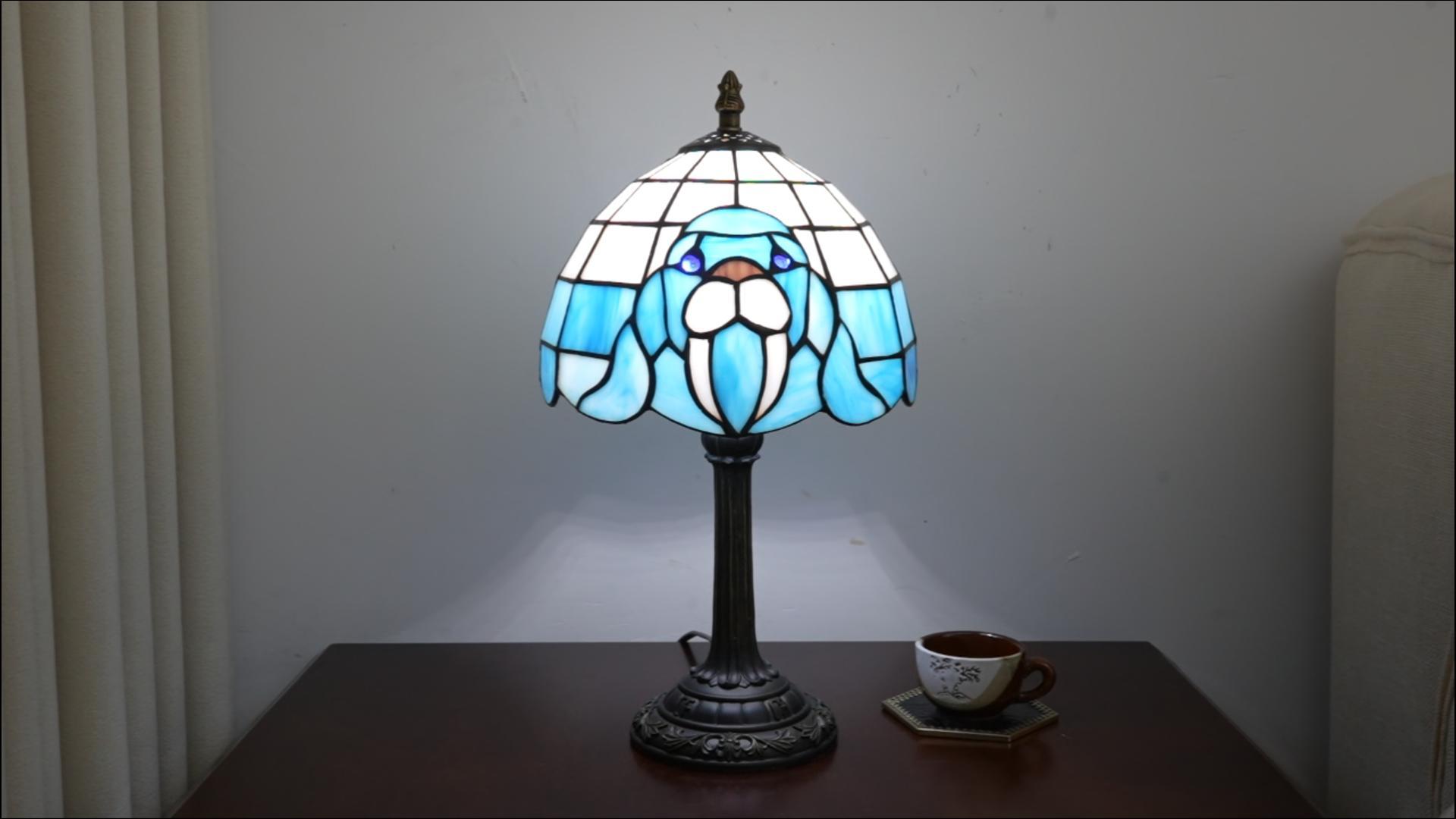
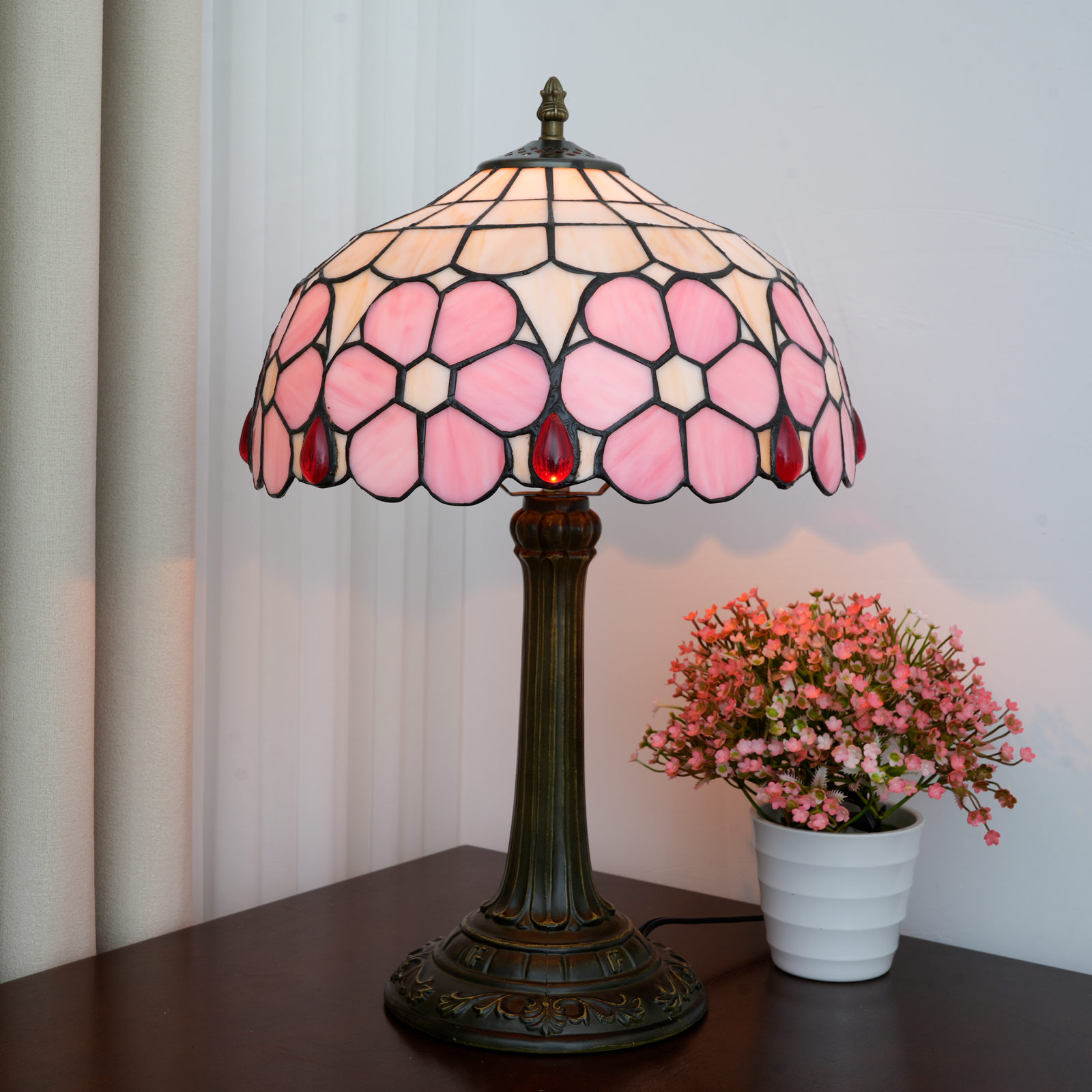
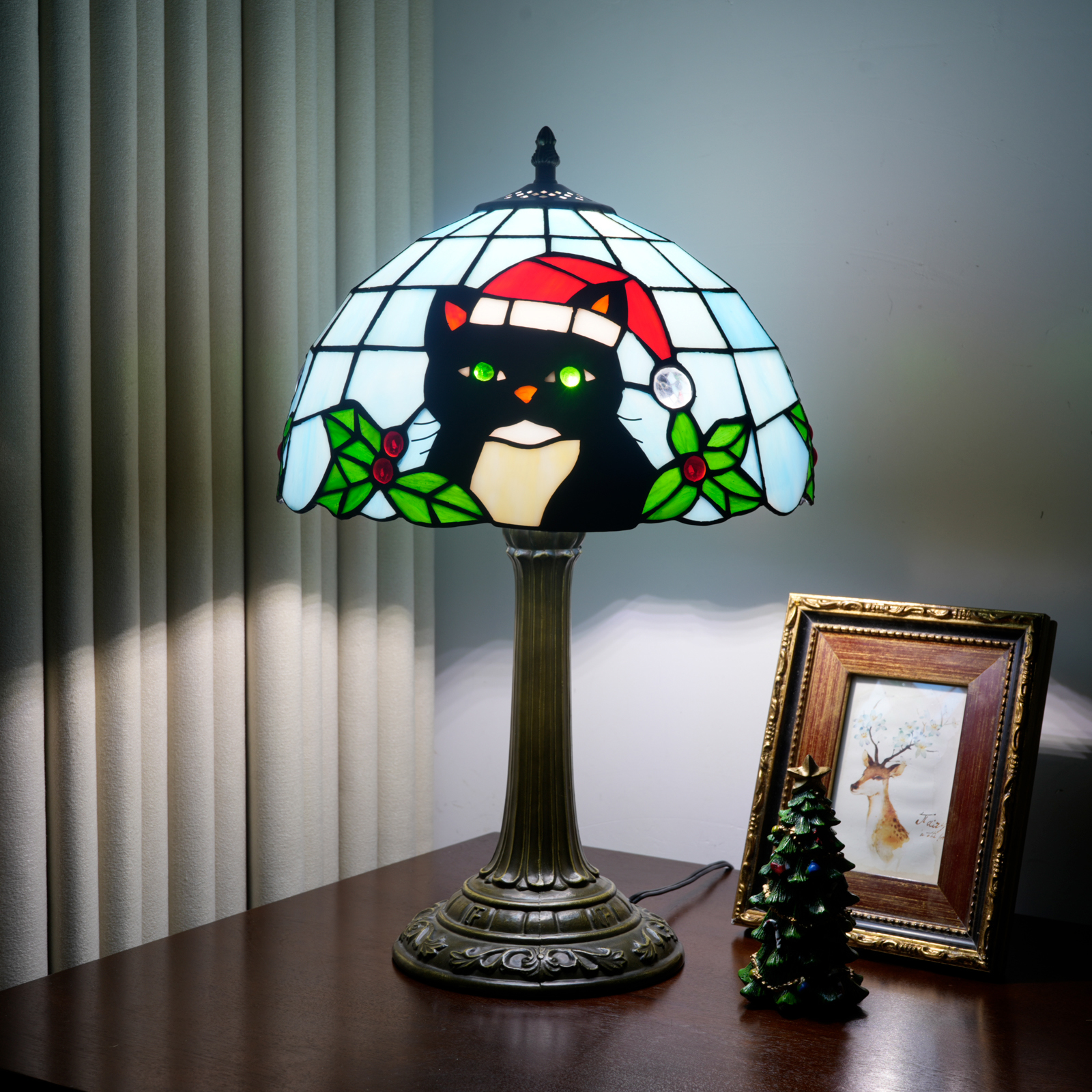
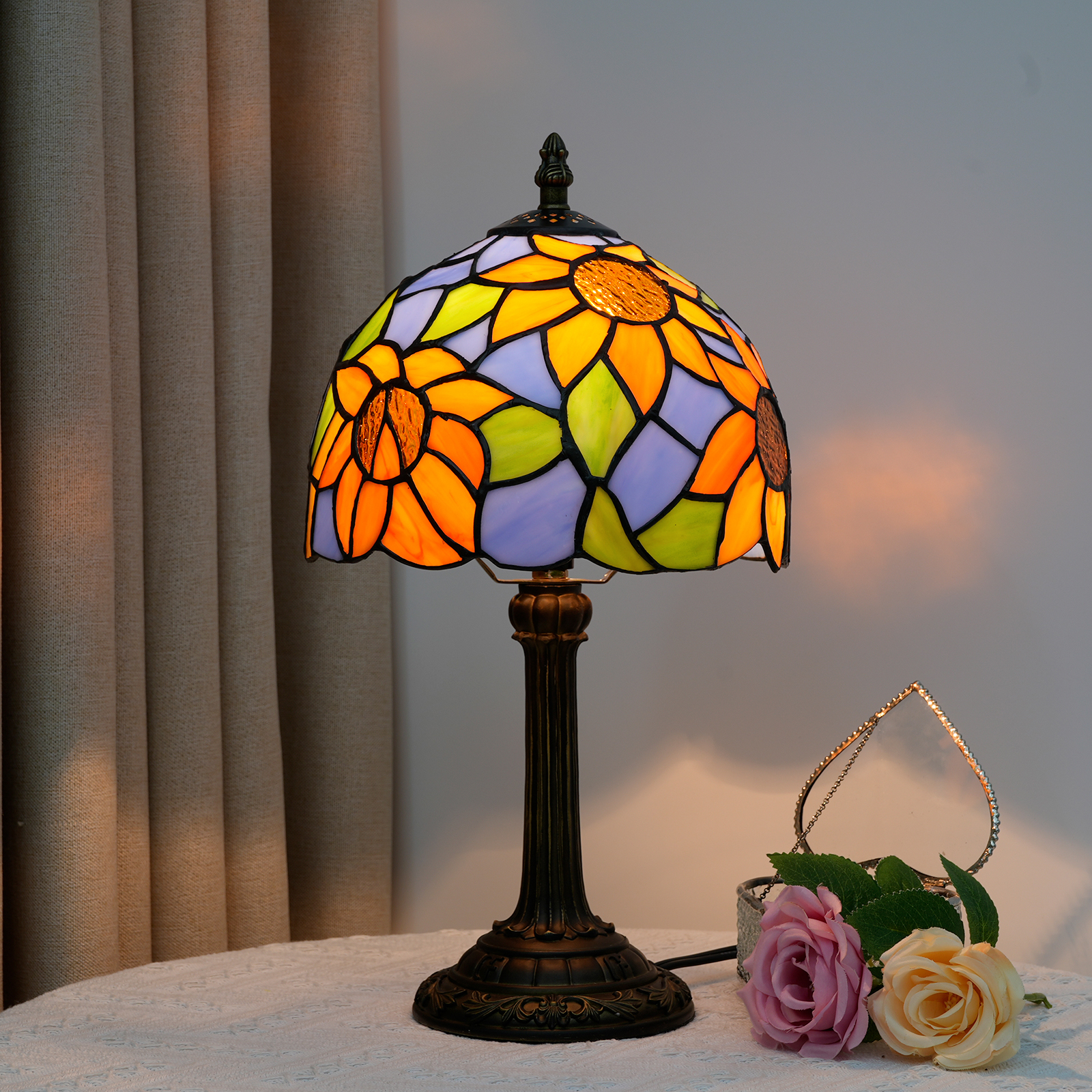
Tiffany style lamps are renowned for their exquisite stained glass shades, intricate metalwork, and vibrant colors. Originating from the designs of Louis Comfort Tiffany in the late 19th century, these lamps are characterized by handcrafted copper foil or leaded glass techniques, which allow for detailed patterns and a unique play of light. Unlike mass-produced lighting, each Tiffany style lamp is a piece of art, often requiring hours of skilled labor to assemble. The warm, ambient glow they emit creates a cozy atmosphere, making them a favorite for living rooms, studies, and dining areas.
History and Evolution of Tiffany Lamps
Louis Comfort Tiffany, an American artist and designer, revolutionized the world of decorative arts with his innovative use of stained glass. In the late 1800s, he began creating lamps with glass shades that mimicked nature, featuring floral and geometric motifs. These lamps became symbols of the Art Nouveau movement, celebrated for their organic forms and rich colors. Today, original Tiffany lamps are highly sought after by collectors, while reproductions and Tiffany style lamps offer affordable alternatives. Modern versions often incorporate LED technology for energy efficiency without compromising the classic aesthetic.
Key Design Elements to Look For
When choosing a Tiffany style lamp, pay attention to the quality of the glass—it should have a textured, iridescent finish that catches the light. The solder lines should be smooth and evenly applied, indicating careful craftsmanship. The base, whether bronze, brass, or resin, should be sturdy and complement the shade. Popular patterns include dragonflies, lotus flowers, and geometric designs. Also, consider the size and shape of the lamp: table lamps with dome shades are ideal for desks, while floor lamps with larger shades make a statement in living rooms.
How to Incorporate Tiffany Style Lamps into Your Decor
Tiffany style lamps are versatile and can enhance various interior styles. In a traditional or vintage-inspired room, they serve as focal points, adding a touch of nostalgia. For modern or eclectic spaces, a single Tiffany lamp can provide a striking contrast. Place a table lamp on a console table or nightstand for a soft reading light. Use a pendant lamp over a dining table to create an intimate dining experience. Layer the lighting by combining Tiffany lamps with other light sources to avoid a dim atmosphere. Remember, these lamps are statement pieces, so avoid overcrowding them with too many other decorative items.
Caring for Your Tiffany Style Lamp
To maintain the beauty of your Tiffany style lamp, dust the shade regularly with a soft, dry cloth. Avoid using harsh chemicals or abrasive cleaners, as they can damage the glass and metal finish. For deeper cleaning, use a slightly damp cloth with mild soap, but ensure the lamp is unplugged and the shade is completely dry before use. Handle with care—the glass is fragile and can crack if dropped. If the lamp uses a bulb, choose one with a low wattage (typically 40-60 watts) to prevent overheating, which can damage the glass over time. LED bulbs are a safe and energy-efficient option.
Common Mistakes to Avoid When Buying
One common mistake is prioritizing price over quality. Cheap Tiffany style lamps often use plastic or thin glass, resulting in a dull appearance and poor durability. Inspect the lamp in person if possible or read reviews carefully. Another mistake is choosing a lamp that is too small or too large for the intended space. Measure the area and consider the lamp's proportions. Finally, don't overlook the lighting effect: a good Tiffany lamp should cast a warm, inviting glow without harsh shadows. Test the lamp with the intended bulb to see the actual light output.
Frequently Asked Questions
Are Tiffany style lamps outdated?
Not at all. While rooted in Art Nouveau, their timeless designs continue to inspire. Modern Tiffany style lamps blend classic motifs with contemporary finishes, making them suitable for any decor. They are often used as statement pieces in both traditional and modern interiors.
How can I tell if a Tiffany style lamp is well-made?
Look for even solder lines, a sturdy base, and glass with depth and texture. The shade should feel substantial, not flimsy. Reputable manufacturers often provide details about the materials and crafting process. If buying online, check customer reviews and return policies.
Can I use a Tiffany style lamp as my main light source?
Tiffany lamps are typically accent or task lights, providing ambient illumination rather than bright room lighting. For primary lighting, pair them with ceiling fixtures or additional lamps. However, a large floor lamp with a wide shade can contribute significantly to room lighting.
How do I replace a bulb in a Tiffany style lamp?
Most Tiffany style lamps have a standard socket accessible by removing the shade or reaching underneath. Always unplug the lamp before changing the bulb. Use a bulb with the recommended wattage and type (e.g., LED) to avoid damage. If the shade is attached with screws, handle it gently to prevent cracking.