




The Ultimate Guide to Choosing and Using a Lamp: Bright Ideas for Every Spacelamps for living room
November 11, 2026
Why the Right Lamp Matters
A lamp is one of the most versatile pieces of home decor. It provides task lighting for focused work, ambient lighting for overall mood, and accent lighting to highlight features. Beyond function, a well-chosen lamp can serve as a statement piece, complementing your interior style. Studies show that proper lighting reduces eye strain and boosts productivity, making lamp selection a crucial decision for any room.
Types of Lamps and Their Best Uses
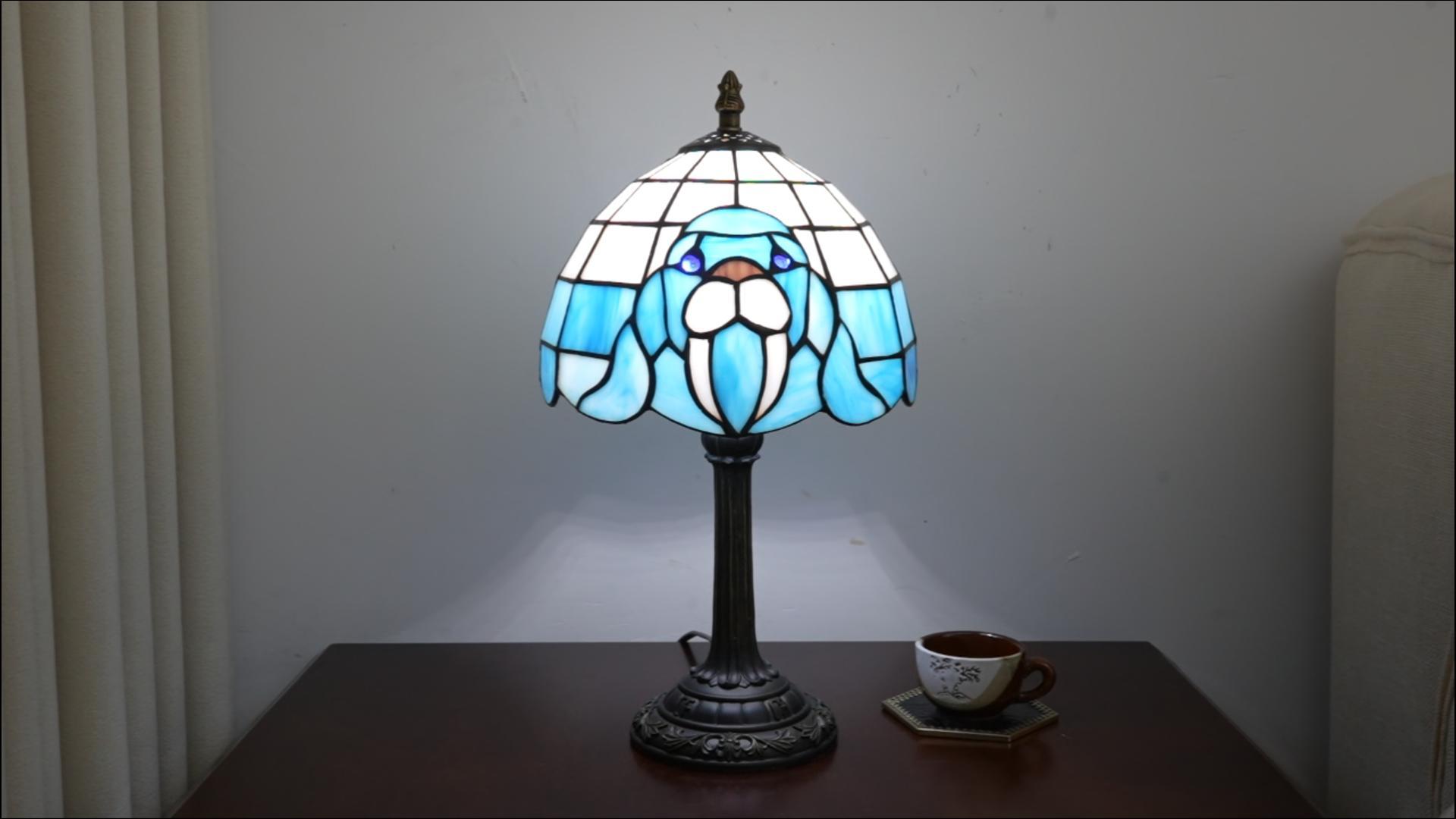
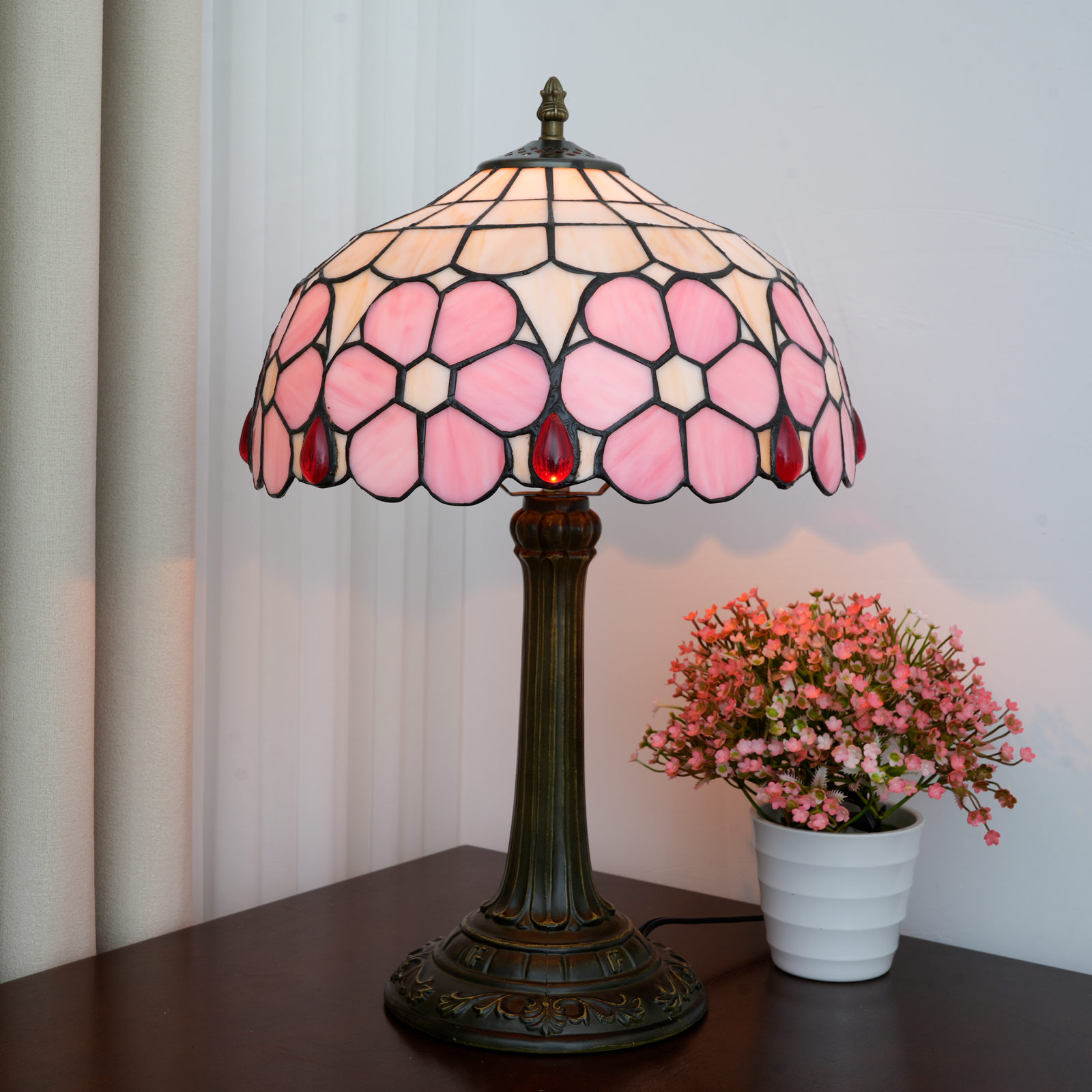
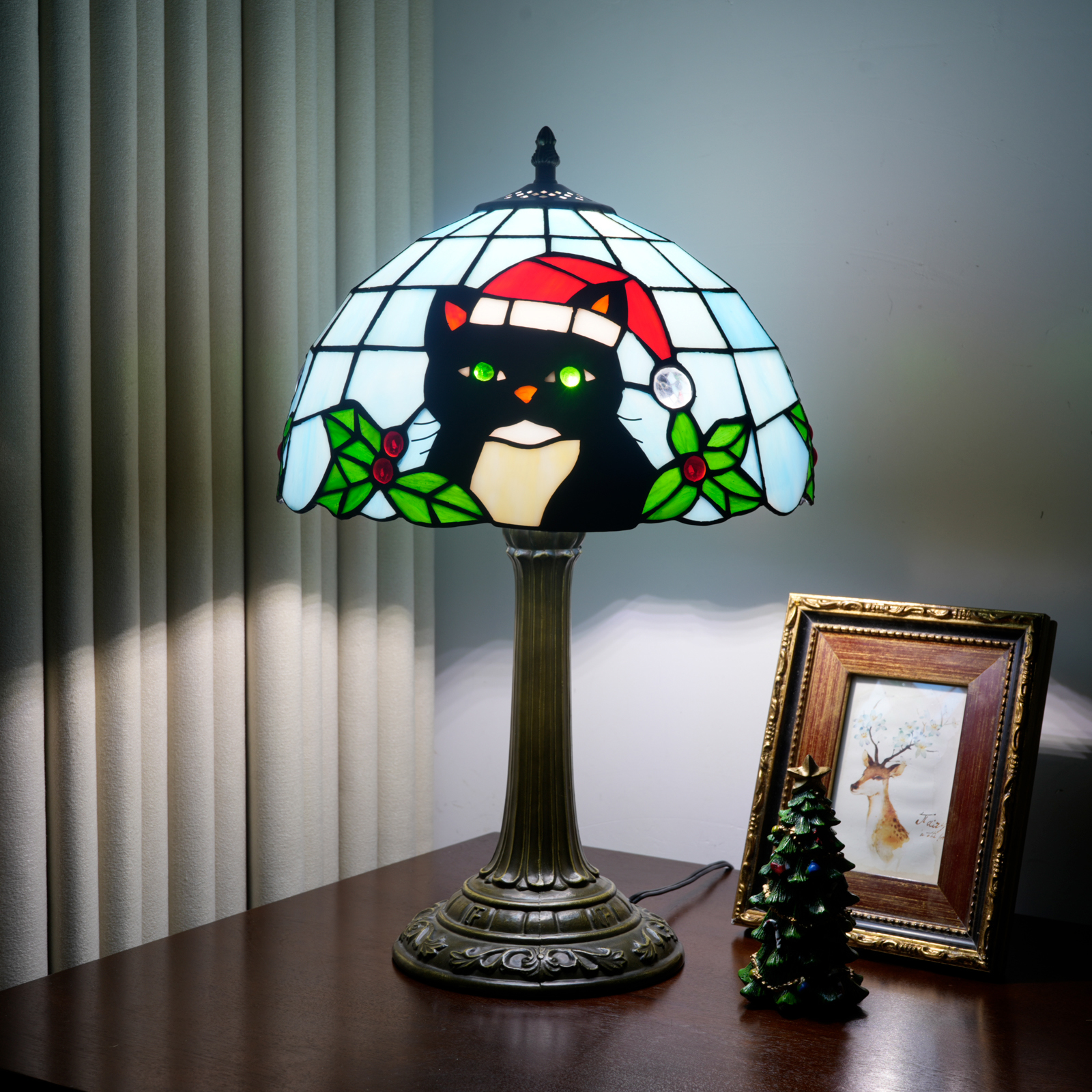
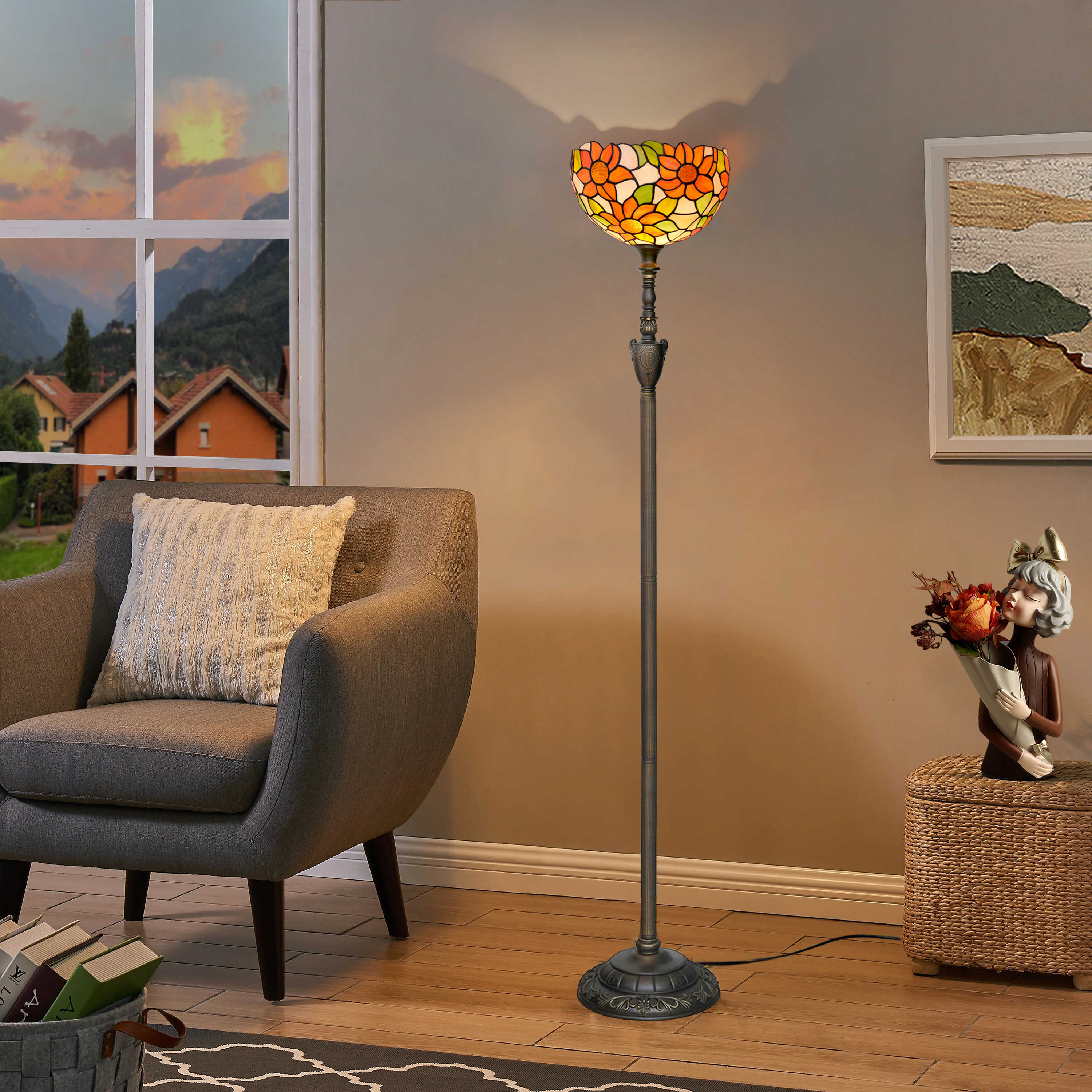
Understanding the different types of lamps helps you choose the right one for each space. Floor lamps are ideal for living rooms and reading nooks, offering overhead or directional light without taking up table space. Table lamps work well on desks, nightstands, and side tables, providing focused illumination. Desk lamps are designed for workspaces, often with adjustable arms and brightness settings. Wall sconces save space and add elegance to hallways and bedrooms. Finally, buffet lamps and torchiere lamps serve specific decorative and ambient purposes.
Key Factors When Choosing a Lamp
Before buying a lamp, consider these essential factors: Purpose—will it be for reading, ambiance, or accent? Light output—measured in lumens; for task lighting, aim for 400-800 lumens, while ambient lighting may need 200-400 lumens. Color temperature—warm white (2700K-3000K) for cozy spaces, cool white (4000K-5000K) for offices. Size and scale—a lamp should be proportional to the furniture it sits on or stands next to. Style—match your existing decor, whether modern, traditional, or eclectic. Energy efficiency—LED lamps consume up to 80% less energy than incandescent bulbs.
Placement Tips for Optimal Lighting
Proper placement maximizes a lamp's effectiveness. For reading, position the lamp so the light falls over your shoulder onto the page, avoiding glare. In living rooms, use a mix of floor and table lamps to create layers of light. In bedrooms, place bedside lamps at eye level when sitting up in bed. For home offices, place the desk lamp opposite your dominant hand to prevent shadows. Avoid placing lamps directly in front of windows or reflective surfaces, which can cause harsh glare.
Lamp Maintenance and Safety
Regular maintenance extends your lamp's life and ensures safety. Dust the shade and bulb monthly with a microfiber cloth. Check the cord for fraying or damage, and replace if necessary. Use the correct bulb wattage—exceeding the recommended wattage can cause overheating and fire risk. Turn off and unplug before cleaning or changing bulbs. For outdoor lamps, ensure they are rated for exterior use and check for water damage.
Common Mistakes to Avoid
Many people overlook key aspects when selecting or using lamps. Using overly bright bulbs in small spaces creates harsh glare. Ignoring color temperature can make a cozy room feel clinical. Placing lamps too high or too low affects functionality. Neglecting the shade—a dirty or mismatched shade diminishes light quality. Overloading circuits by plugging multiple high-wattage lamps into one outlet is a safety hazard. Avoid these pitfalls by planning your lighting layout and reading product specifications carefully.
Frequently Asked Questions
What is the best lamp for reading?
A reading lamp should provide focused, adjustable light with a color temperature around 3000K-4000K. A floor lamp with an adjustable arm or a desk lamp with a gooseneck works well. Aim for 400-600 lumens directed at the page.
How do I choose the right bulb for my lamp?
Check your lamp's maximum wattage and socket type (e.g., E26). Choose an LED bulb with the appropriate lumens and color temperature for your needs. For dimmable lamps, ensure the bulb is dimmable.
Can I use a higher wattage bulb than recommended?
No—exceeding the recommended wattage can cause overheating, melting of the shade or socket, and even fire. Always follow the manufacturer's guidelines.
How often should I replace my lamp?
Lamps can last decades with proper care. Replace when the wiring becomes damaged, the socket is loose or faulty, or when the style no longer suits your space. LED bulbs last years, so replacement is infrequent.
What is the difference between task, ambient, and accent lighting?
Task lighting is for focused activities (e.g., reading, cooking). Ambient lighting provides overall illumination for a room. Accent lighting highlights architectural features or decor. A well-lit room uses a combination of all three.