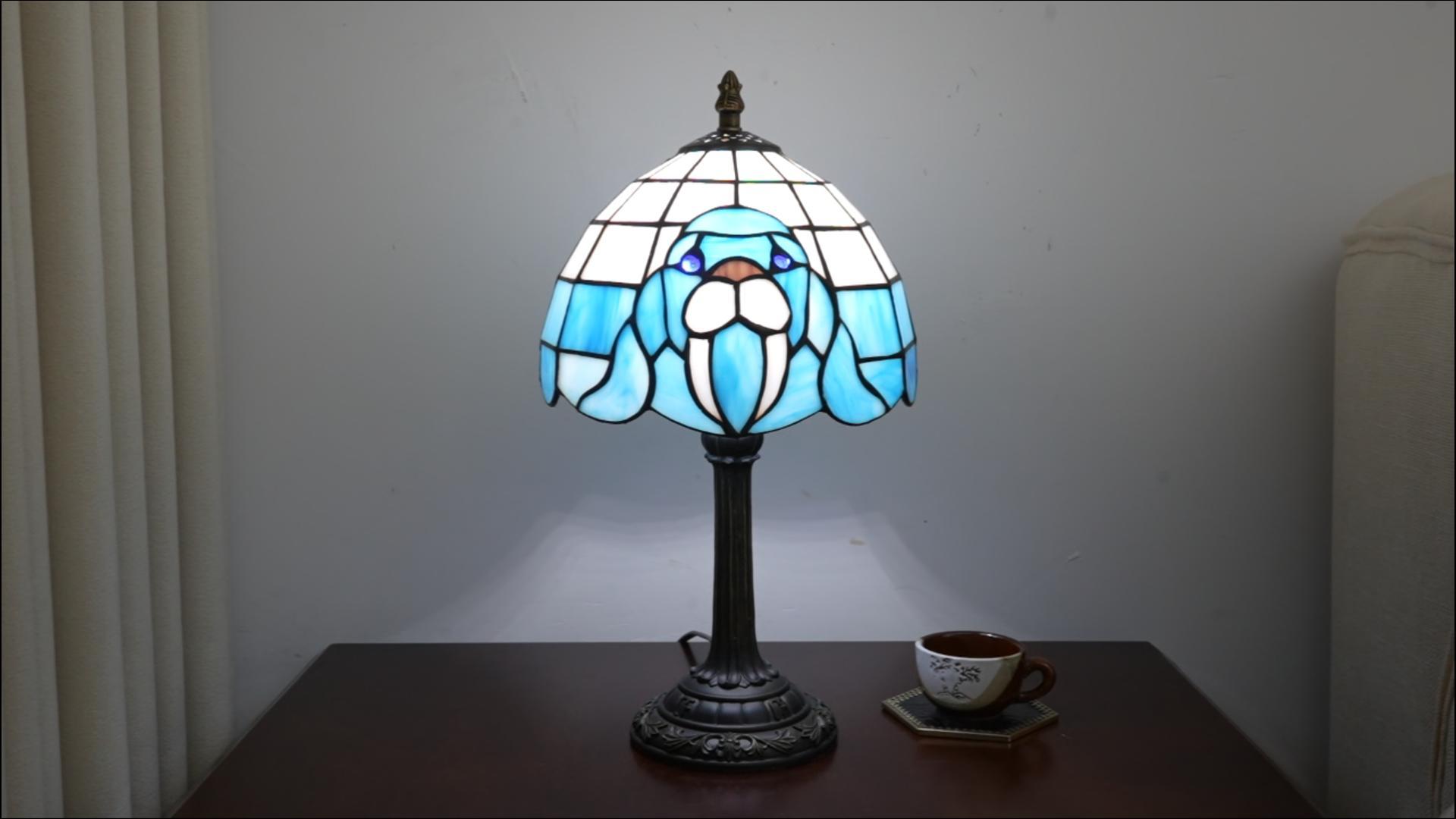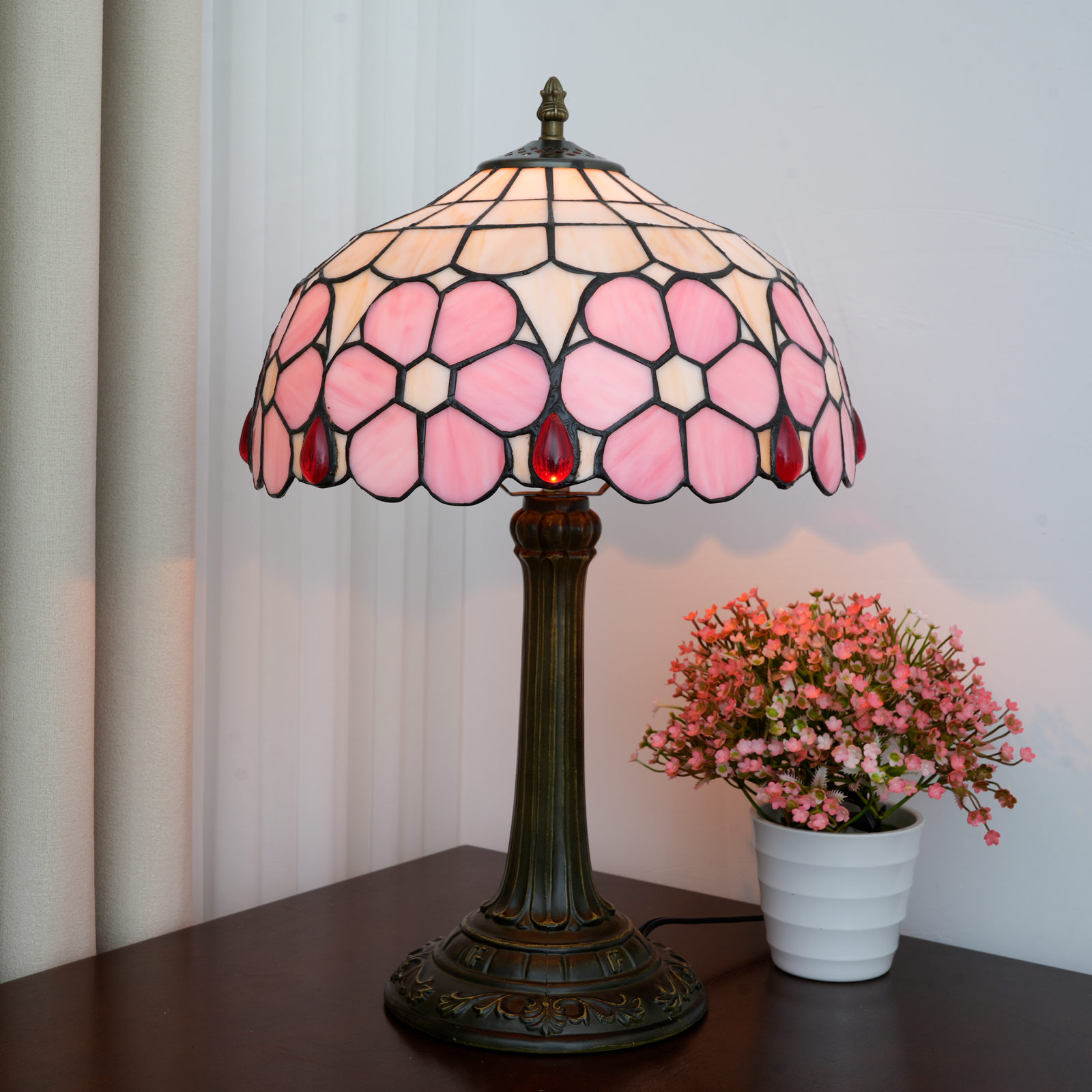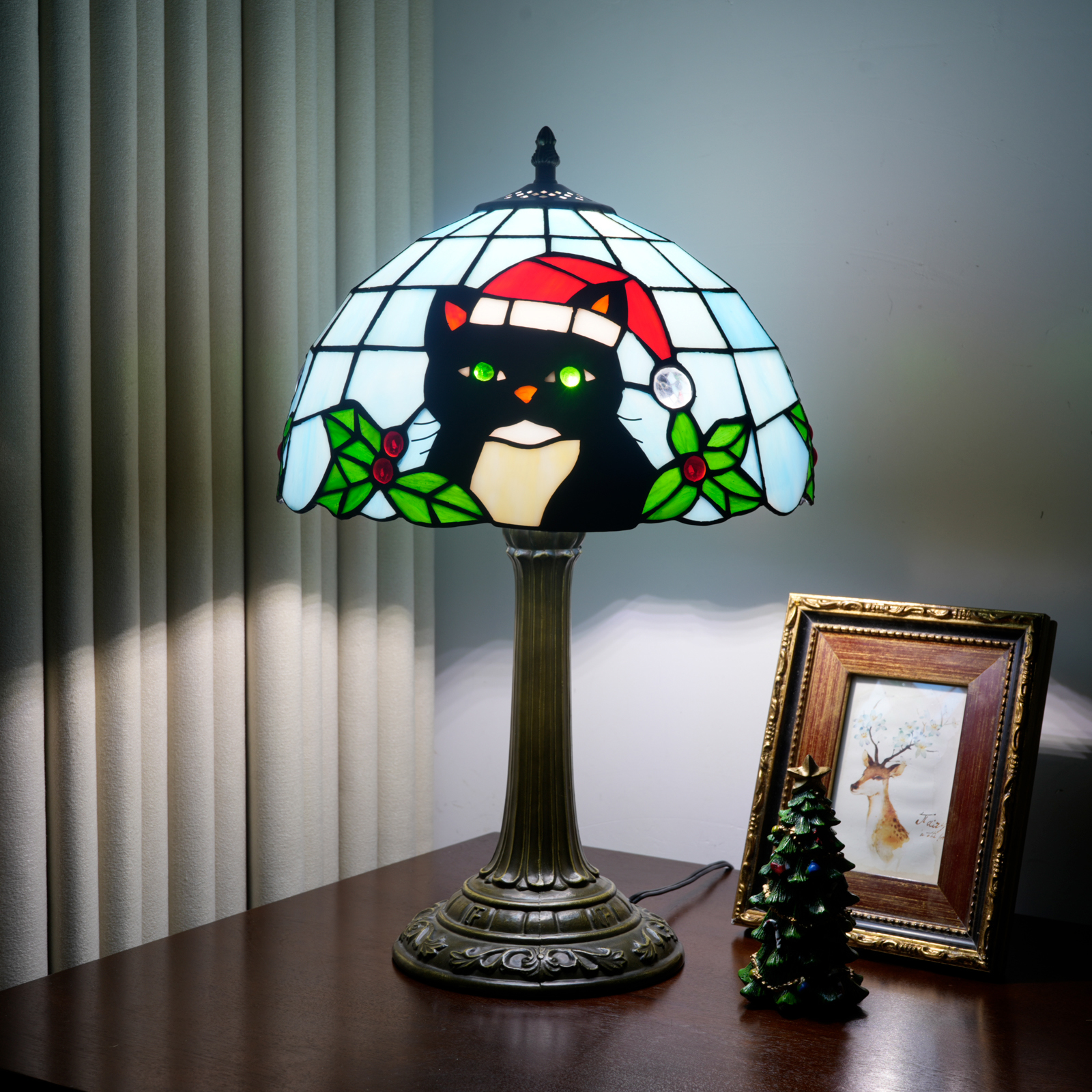





The Ultimate Guide to Choosing the Perfect Decorative Table Lampdecorative table lamp
November 7, 2026

Why a Decorative Table Lamp Matters
A decorative table lamp serves a dual purpose: it provides functional lighting and acts as a focal point that enhances your interior design. Unlike standard lamps, these pieces are designed with aesthetics in mind, often featuring unique shapes, materials, and finishes. Whether you're looking to add a warm glow to a reading nook or a striking accent to a console table, the right lamp can tie a room together and reflect your personal style.
Key Factors to Consider When Selecting a Decorative Table Lamp
Before you start shopping, consider these essential factors to ensure your lamp is both beautiful and practical.
Size and Scale
The lamp should be proportionate to the furniture it sits on. A general rule is that the lamp's height (including the shade) should be about 1.5 times the height of the table. For a bedside table, a lamp around 24-27 inches tall works well; for a larger console, go for 30-34 inches. Scale is crucial—a tiny lamp on a grand piano will look lost, while an oversized lamp on a small side table can overwhelm the space.
Style and Design
Your lamp should complement the room's overall style. For a modern space, consider sleek metals, glass, or geometric shapes. Traditional rooms might feature classic ceramic bases with pleated shades. Mix and match with care: a vintage lamp can add character to a contemporary room, but ensure it doesn't clash with existing decor. Look for details like hand-painted patterns, sculptural bases, or unique finials that make the lamp a conversation piece.
Lighting Function
Think about how you'll use the lamp. For reading, you need a lamp with a shade that directs light downward and is tall enough that the bulb isn't in your line of sight. For ambient lighting, a lamp with a diffused shade (like fabric or frosted glass) can create a soft glow. Dimmable options are great for adjusting the mood. Also, consider the bulb type—LEDs are energy-efficient and come in various color temperatures.
Materials and Quality
The material of the lamp base and shade affects both durability and style. Metal bases (brass, nickel, iron) offer a modern or industrial look and are sturdy. Ceramic and porcelain bases can be glazed in vibrant colors and patterns. Wood bases bring a natural, rustic feel. For shades, fabric (linen, cotton) diffuses light beautifully, while hardback shades (parchment, metal) provide more directed light. Check the craftsmanship: look for solid construction, secure fittings, and quality wiring.
Placement and Styling Tips
Where you place your lamp can dramatically affect its impact. On a console table behind a sofa, a pair of matching lamps creates symmetry. On a desk, a single statement lamp can be both functional and inspiring. In a bedroom, a decorative lamp on a nightstand adds a cozy touch. Consider the cord—if it will be visible, choose a fabric-covered cord or plan the placement to hide it. Also, think about the lamp's color relative to the wall; a lamp that blends in might get lost, while a contrasting color can pop.
Common Mistakes to Avoid
One common mistake is choosing a lamp that's too small for its intended spot. Another is neglecting the shade's proportions—the shade should be wider than the widest part of the base to look balanced. Also, avoid using a bulb with a higher wattage than the lamp's rating, as this can be a safety hazard. Test the lamp in the store or check the return policy if buying online.
常见问题
What is the difference between a decorative table lamp and a regular table lamp?
Decorative table lamps are designed with a strong emphasis on aesthetics, often featuring unique designs, materials, and artistic elements. Regular table lamps prioritize function and may have simpler designs. However, many decorative lamps also provide excellent lighting, blurring the line.
How do I choose the right shade for my decorative table lamp?
The shade should be proportional to the base—generally, the shade's width should be at least 1.5 times the width of the base's widest point. Consider the light direction: a tapered drum shade offers both up and down light, while a bell shade directs light downward. Fabric shades create a soft, diffused glow, while metal shades provide more focused light.
Can I use a decorative table lamp as my main light source?
It depends on the room's size and the lamp's brightness. A single decorative lamp is usually insufficient as the sole light source for a large room, but it can work in small spaces or as part of a layered lighting plan. For tasks like reading, ensure the lamp provides enough lumens (at least 800 for reading).
How do I clean and maintain a decorative table lamp?
Dust the lamp regularly with a soft cloth. For fabric shades, use a lint roller or vacuum with a brush attachment. For glass or metal bases, use a gentle cleaner. Always unplug the lamp before cleaning. Avoid using harsh chemicals that could damage finishes.