








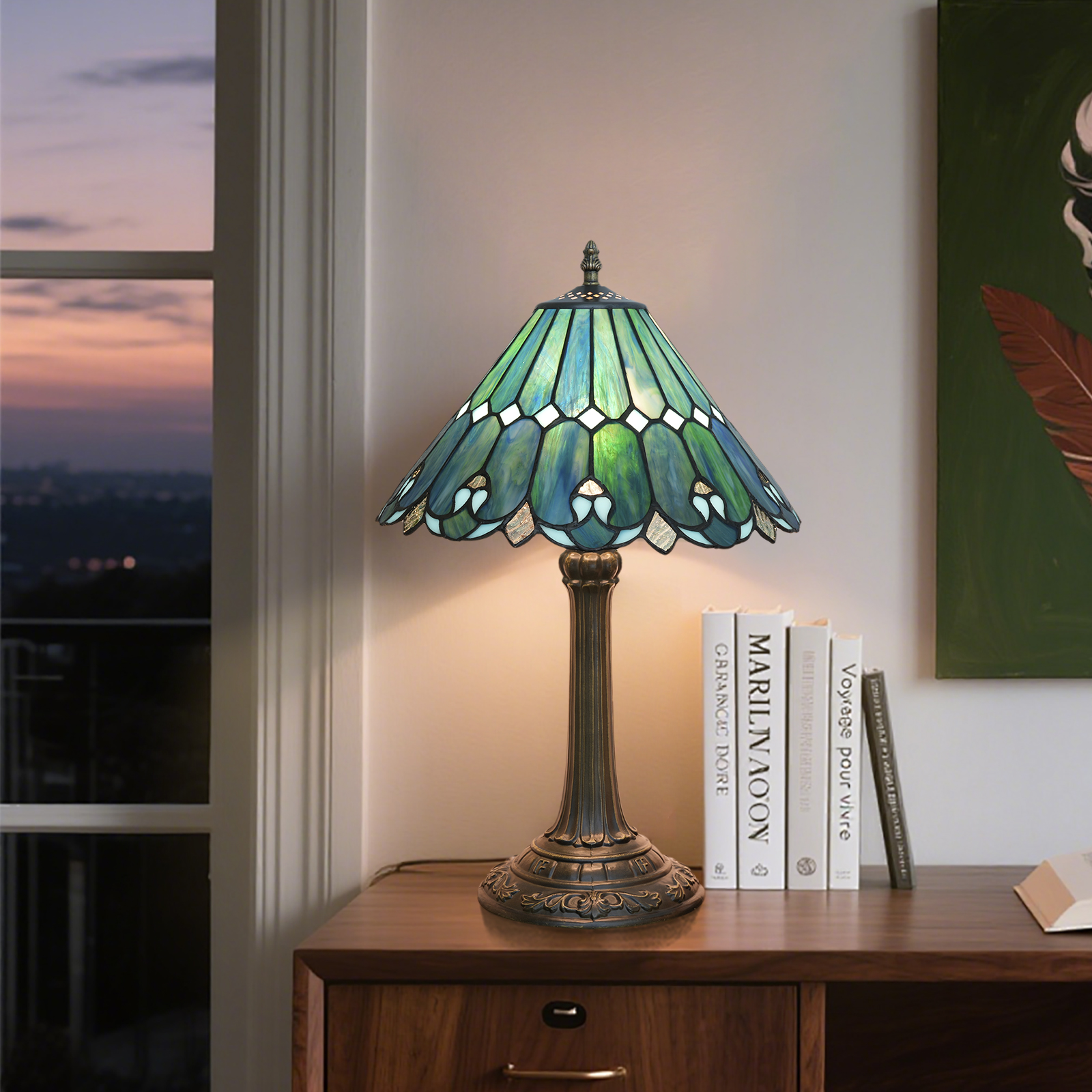
The Ultimate Guide to Choosing the Perfect Desk Lamp tiffany table lamp
November 7, 2026
Why Investing in a Quality Desk Lamp Matters
When it comes to creating an efficient and comfortable workspace, the right lighting is often overlooked. Yet, a high-quality desk lamp is more than just a source of light—it's a tool that can enhance your focus, protect your vision, and even improve your mood. Whether you're working late nights, studying for exams, or pursuing a hobby, the right desk lamp can make a significant difference. Proper lighting reduces eye strain, minimizes glare, and helps you stay productive. In this guide, we'll walk you through the key factors to consider when choosing a desk lamp, so you can make an informed decision and find the perfect match for your workspace.
Key Factors to Consider When Choosing a Desk Lamp
Before diving into specific features, it's essential to understand the fundamental aspects that determine a desk lamp's performance and suitability for your needs. Here are the critical factors to keep in mind:
Light Source: LED vs. Traditional Bulbs
LED desk lamps have become the gold standard for modern workspaces. They are energy-efficient, long-lasting, and offer adjustable brightness and color temperatures. Unlike incandescent or halogen bulbs, LEDs produce minimal heat, making them safer and more comfortable for extended use. LED lamps also provide consistent light output without flickering, which is crucial for reducing eye fatigue. If you prefer a more traditional look, you can still find desk lamps with incandescent bulbs, but they consume more energy and may not offer the same versatility.
Brightness and Adjustability
The brightness of your desk lamp should match the tasks you perform. For detailed work like reading or crafting, you'll need a lamp that can deliver sufficient lumens (typically between 450 and 800 lumens). Adjustable brightness is a game-changer: it allows you to dim the light for relaxed evenings or boost it for intense focus sessions. Look for lamps with multiple brightness levels or continuous dimming capabilities. Additionally, consider lamps with adjustable arms or heads, so you can direct light exactly where you need it.
Color Temperature: Warm vs. Cool Light
Color temperature, measured in Kelvin (K), affects the ambiance and functionality of your lighting. Warm light (2700K–3000K) creates a cozy, relaxing atmosphere, ideal for bedrooms or evening reading. Cool light (5000K–6500K) mimics daylight and enhances alertness, making it perfect for task-oriented work. Many modern desk lamps offer adjustable color temperatures, allowing you to switch between warm and cool light based on the time of day or activity. This flexibility is especially beneficial for those who use their desk for various purposes throughout the day.
Design and Ergonomics
A desk lamp should not only perform well but also fit seamlessly into your workspace. Consider the size and style of the lamp relative to your desk. A sleek, minimalist lamp might suit a modern office, while a classic architect-style lamp adds a touch of retro charm. Ergonomics is equally important: the lamp should be easy to adjust, with a stable base and smooth joints. If you have limited desk space, consider a clamp-on lamp or a wall-mounted option to free up surface area.
Energy Efficiency and Durability
Energy efficiency is a key consideration for both environmental and economic reasons. LED lamps consume significantly less power than traditional bulbs and last up to 25 times longer. Look for lamps with an Energy Star rating or similar certification to ensure efficiency. Durability is another factor: a well-built lamp with quality materials will withstand daily use and maintain its performance over time. Check user reviews and warranties to gauge reliability.
Smart Features and Connectivity
In the age of smart homes, many desk lamps now come with advanced features. Some offer touch-sensitive controls, built-in USB charging ports, or even wireless charging pads for your devices. High-end models may include app connectivity, allowing you to control brightness, color temperature, and even set schedules via your smartphone. While these features add convenience, they also increase the cost. Decide which smart features are essential for your workflow and which are merely nice-to-haves.
Budget Considerations
Desk lamps range from budget-friendly options under $30 to premium models exceeding $200. While it's tempting to opt for the cheapest option, investing a bit more can yield better build quality, more features, and longer lifespan. Set a budget based on your needs and prioritize features that directly impact your comfort and productivity. Remember that a good desk lamp is an investment in your eye health and overall well-being.
Common Questions About Desk Lamps
What is the best desk lamp for reading?
For reading, look for a lamp with adjustable brightness and a color temperature around 4000K–5000K, which provides a neutral, bright light that reduces eye strain. An adjustable arm is also helpful to position the light directly over your book.
How many lumens do I need for a desk lamp?
For general tasks, 450–800 lumens is sufficient. If you do detailed work like drafting or sewing, you may need up to 1000 lumens. Adjustable brightness allows you to tailor the light to your activity.
Are LED desk lamps safe for the eyes?
Yes, high-quality LED desk lamps are safe and can even reduce eye strain compared to traditional bulbs. Look for lamps with diffused light and no flicker, and adjust brightness and color temperature to comfortable levels.
Can I use a desk lamp as a primary light source?
A desk lamp is designed for task lighting and may not provide enough ambient light for an entire room. It's best used in conjunction with overhead lighting to avoid contrast and eye strain.
How do I clean and maintain my desk lamp?
Dust the lamp regularly with a soft cloth. For stubborn spots, use a slightly damp cloth with mild soap, but avoid getting moisture into electrical components. Always unplug the lamp before cleaning.