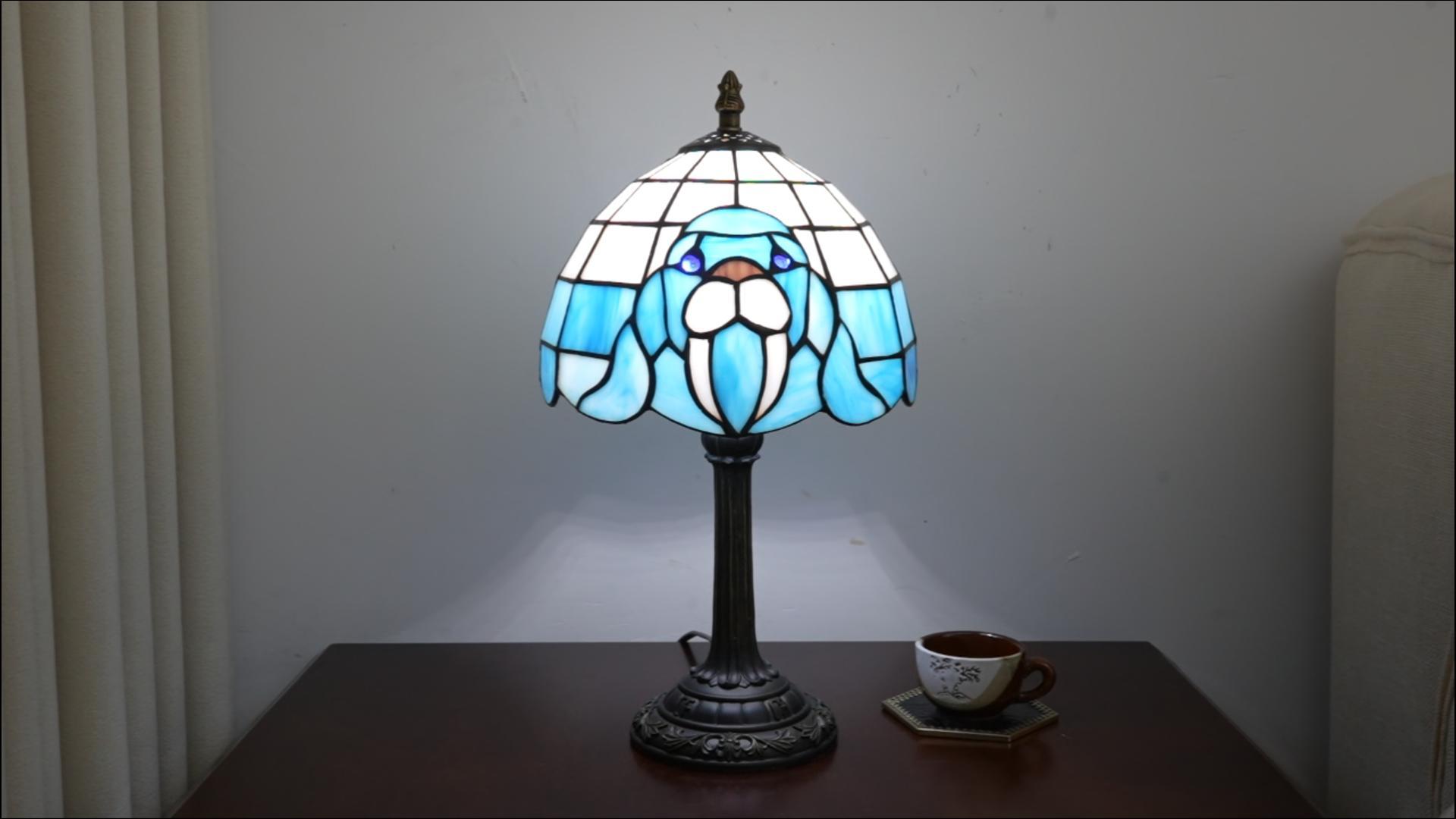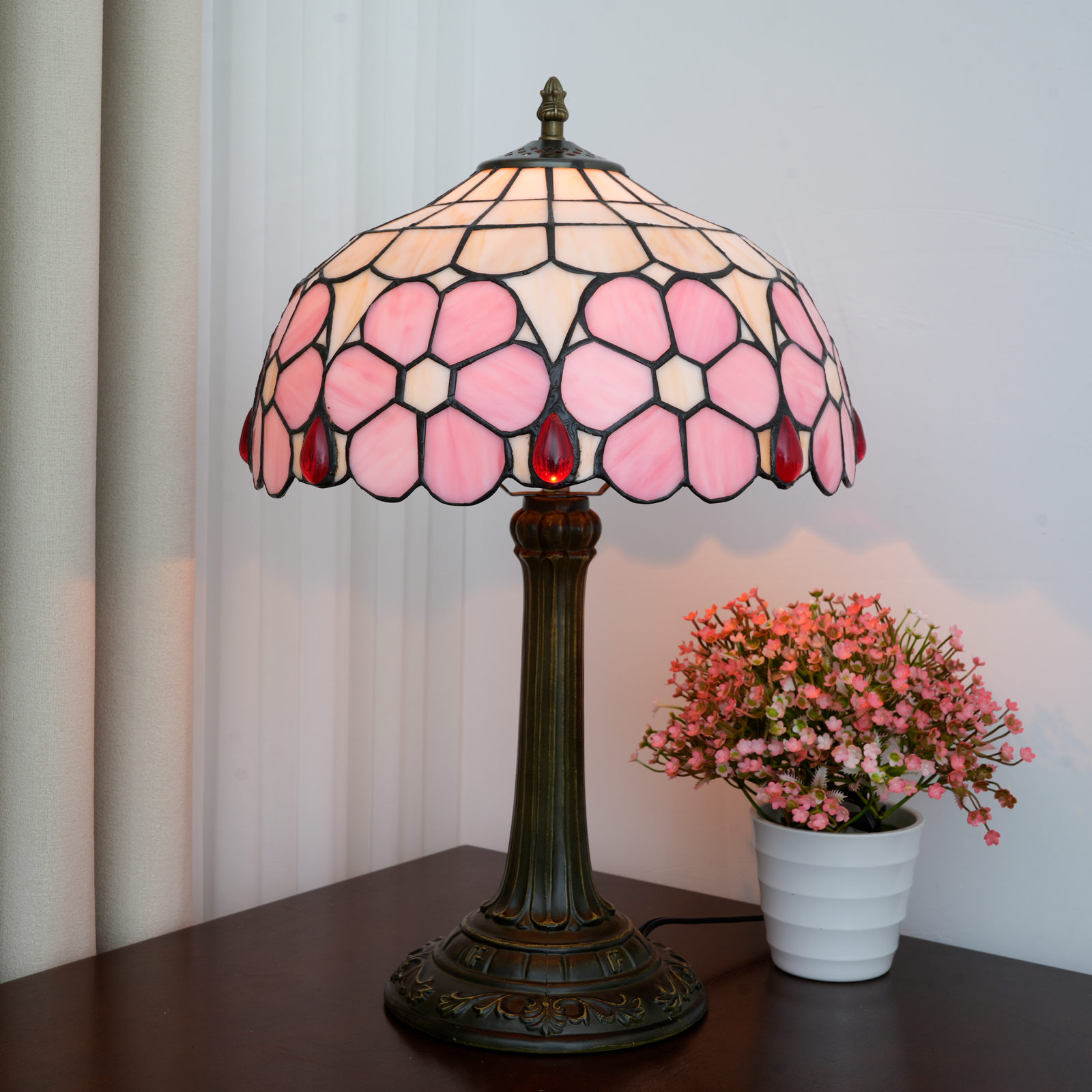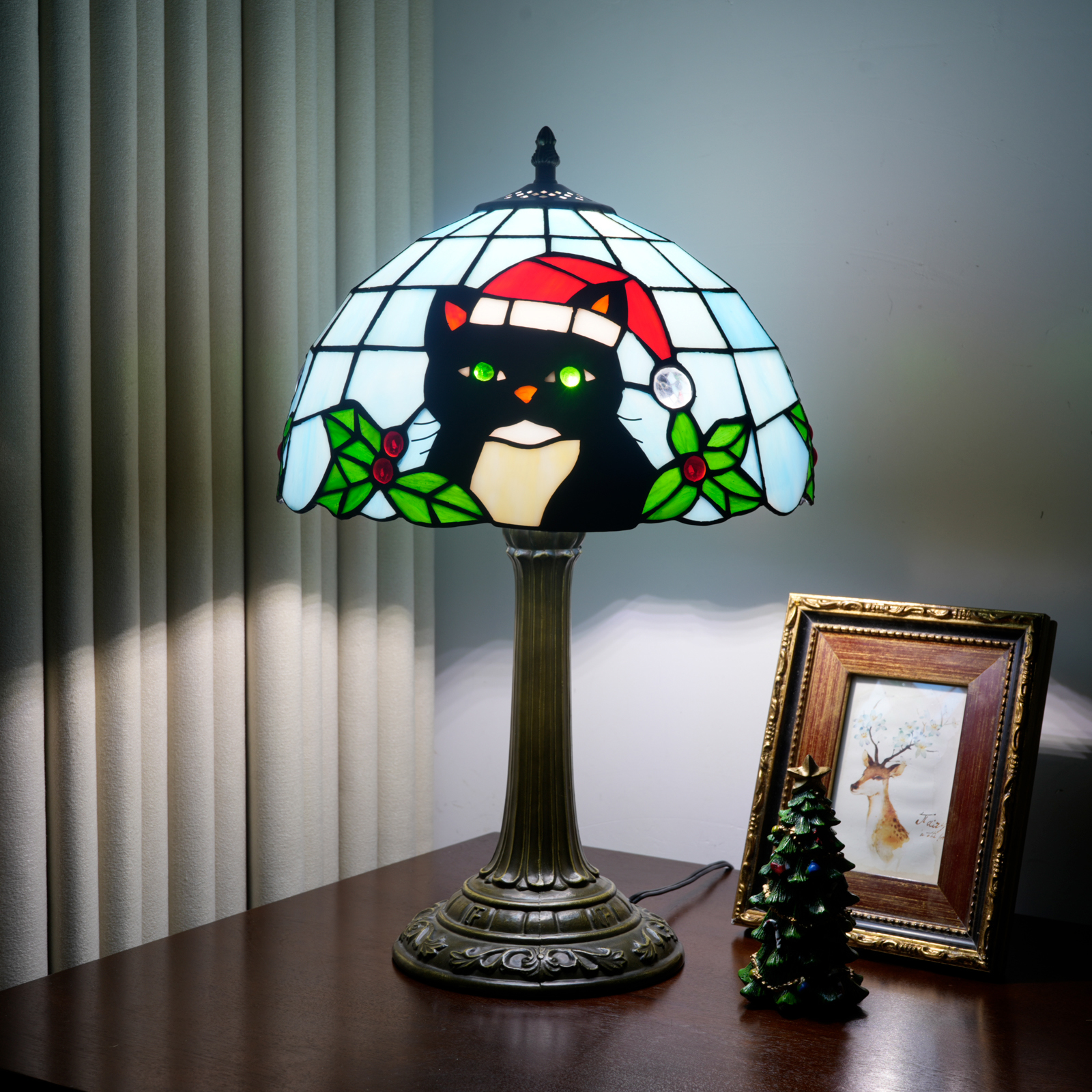





The Ultimate Guide to Choosing the Perfect Nightstand Lampside table lamp
November 7, 2026
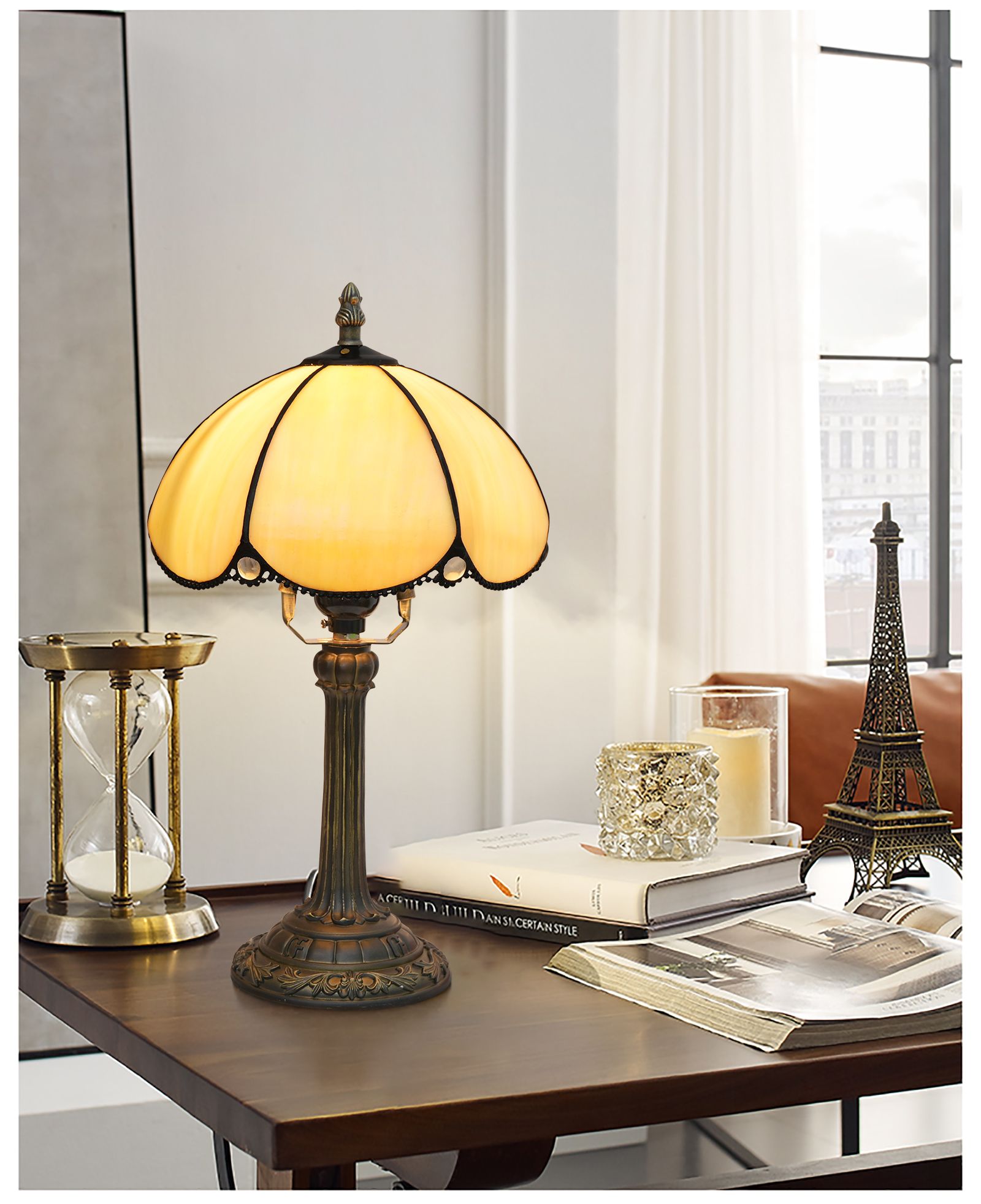
Why a Nightstand Lamp Matters
A nightstand lamp is often overlooked, but it plays a crucial role in your bedroom's overall feel and utility. It provides task lighting for reading, creates a relaxing atmosphere before sleep, and adds a decorative touch. The right lamp can improve your sleep quality by offering dimmable, warm light that signals to your brain that it's time to wind down. Conversely, a poorly chosen lamp can cause glare, clutter, or insufficient illumination. Therefore, understanding the key factors in selecting a nightstand lamp is essential for a functional and stylish bedroom.
Types of Nightstand Lamps
There are several types of nightstand lamps to consider, each with its own advantages. Table lamps are the most common and versatile, available in countless designs. Clip-on lamps are space-saving options for small nightstands, while wall-mounted sconces free up surface area and provide direct lighting. Touch lamps offer convenience with adjustable brightness via a simple touch. Smart lamps integrate with home automation systems, allowing voice control and scheduling. When choosing, consider your room's size, your reading habits, and whether you prefer a traditional or modern aesthetic.
Key Features to Look For
When shopping for a nightstand lamp, pay attention to these features: Adjustable brightness is crucial for transitioning from reading to sleeping. Color temperature matters—warm white (2700K-3000K) is ideal for relaxation, while cooler temperatures are better for tasks. Size and proportion should complement your nightstand; a lamp that's too tall or too short can look awkward. Material and build quality affect durability and style. Switch accessibility is often overlooked—ensure the switch is easy to reach from bed. Cord length should be sufficient to reach an outlet without strain. Finally, consider energy efficiency; LED bulbs are long-lasting and consume less power.
Styling and Placement Tips
Proper placement and styling can elevate your bedroom's look. Height is key: the bottom of the lampshade should be at eye level when you're sitting in bed, typically 20-24 inches above the nightstand. Scale the lamp to your nightstand—it should be about two-thirds the height of the nightstand for balance. Symmetry works well in traditional bedrooms, but asymmetrical designs can add interest. Layering light with other sources (like a floor lamp) creates depth. Shade style affects light diffusion; fabric shades soften light, while metal shades direct it. Color coordination with your bedding or artwork ties the room together. Avoid placing the lamp in front of a mirror to prevent glare.
Common Mistakes to Avoid
Many people make mistakes when choosing a nightstand lamp. Overlooking the bulb type can lead to harsh lighting; always check if the lamp accepts dimmable LEDs. Ignoring the switch location can be frustrating—test it before buying. Choosing style over function might result in a lamp that's hard to use. Skimping on quality often leads to frequent replacements. Forgetting cord management can create a tangled mess; consider cordless or rechargeable options. Not considering smart features might leave you wanting more convenience. Lastly, neglecting safety—ensure the lamp is stable and doesn't overheat.
Top Picks for Different Needs
Based on functionality, here are some recommendations: For readers, a lamp with a flexible gooseneck and high CRI is ideal. For minimalists, a sleek, touch-dimmable LED lamp saves space. For tech enthusiasts, a smart lamp with app control and scheduling. For budget buyers, a simple ceramic table lamp with a warm LED bulb. For small spaces, a clip-on or wall sconce. Always read reviews and consider warranty when making a purchase.
Frequently Asked Questions
What is the ideal height for a nightstand lamp?
The ideal height is such that the bottom of the lampshade is at eye level when you are sitting in bed, typically 20-24 inches from the top of the nightstand.
Can I use any bulb in my nightstand lamp?
Not always. Check the lamp's maximum wattage and whether it's dimmable. LED bulbs are recommended for energy efficiency and cooler operation.
How do I choose between a table lamp and a wall sconce?
Table lamps are versatile and easy to install, while wall sconces save space and provide direct lighting. Consider your nightstand size and whether you prefer a clutter-free surface.
What color temperature is best for a nightstand lamp?
Warm white (2700K-3000K) is best for relaxation and sleep, as it mimics natural sunset and reduces blue light exposure.
Are smart lamps worth it?
Smart lamps offer convenience like voice control, scheduling, and dimming via app. If you value automation and tech integration, they can be worth the investment.