








The Ultimate Guide to Choosing the Perfect Small Bedside Lampdesk lamp
November 12, 2026
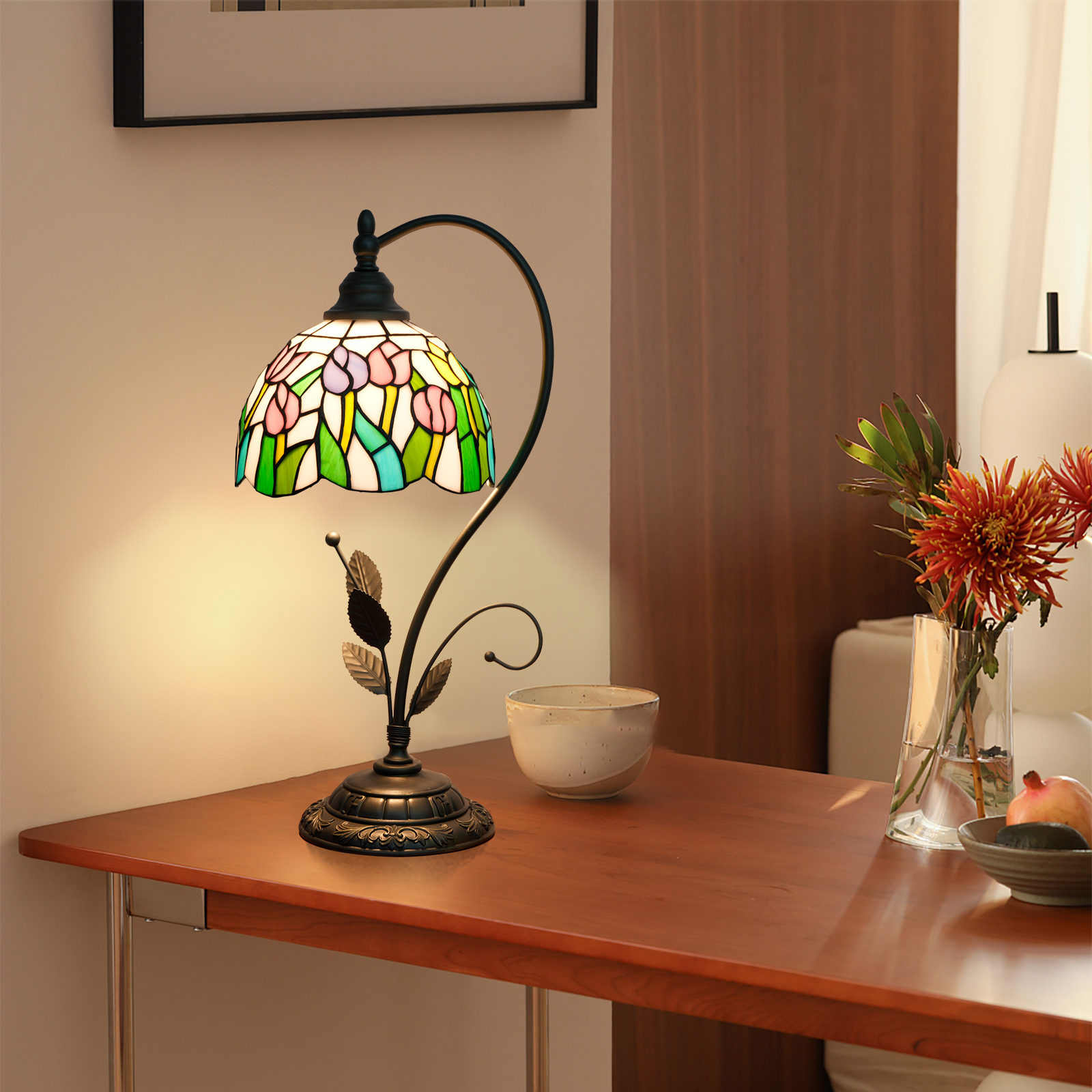
Why a Small Bedside Lamp Matters
A small bedside lamp is an essential element of a well-designed bedroom. It provides focused illumination for reading, helps create a relaxing atmosphere, and adds a touch of personal style. Unlike bulky floor lamps or harsh overhead lights, a small bedside lamp offers convenience and comfort right where you need it. Whether you're winding down with a book or checking your phone before sleep, the right lamp can make your bedtime routine more enjoyable and less disruptive to your circadian rhythm.
Key Factors to Consider When Choosing a Small Bedside Lamp
Before you buy, think about these critical aspects to ensure your lamp meets your needs:
Size and Proportion: The lamp should be proportional to your nightstand and bed. A lamp that's too tall may block your view or look out of place, while one that's too short won't provide adequate light. As a rule, the lamp's height should be at least 24 inches shorter than the headboard to maintain visual balance.
Lighting Needs: Consider what you'll use the lamp for. For reading, you need a lamp with adjustable brightness and a focused beam. For ambient lighting, a softer, diffused glow is better. Look for lamps with dimmable features or smart bulbs that allow you to change the intensity and color temperature.
Style and Material: Your lamp should complement your bedroom's decor. From modern minimalist to vintage-inspired, there's a small bedside lamp to suit every taste. Materials like ceramic, metal, glass, or wood can add texture and personality. Also, consider the shade—fabric shades diffuse light softly, while metal shades direct light more precisely.
Functionality: Additional features can enhance usability. Touch-sensitive bases, USB charging ports, or built-in outlets are convenient for charging devices overnight. Some lamps even come with adjustable arms or gooseneck designs for precise light direction.
Types of Small Bedside Lamps
There are several types of small bedside lamps, each with its own advantages:
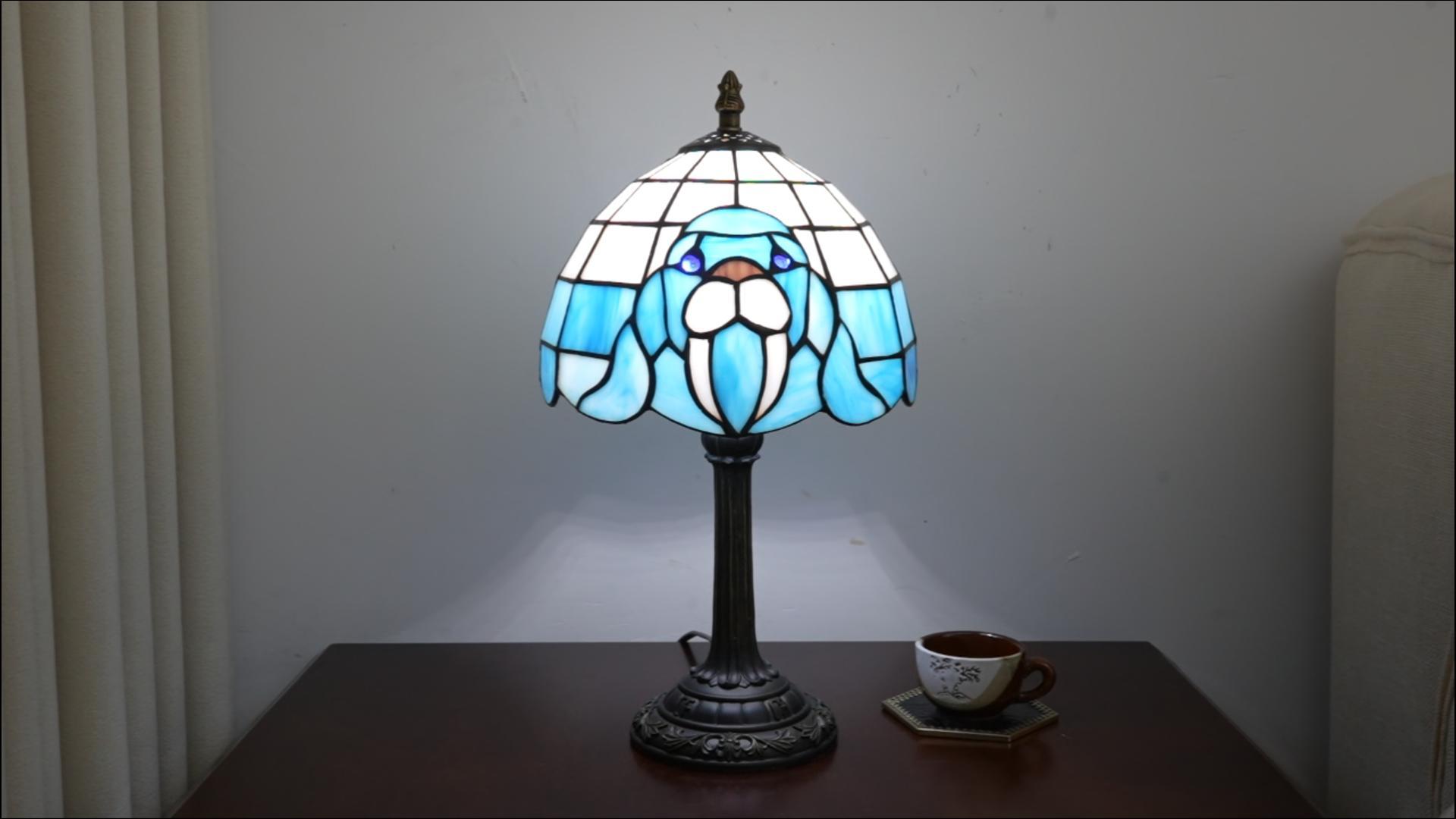
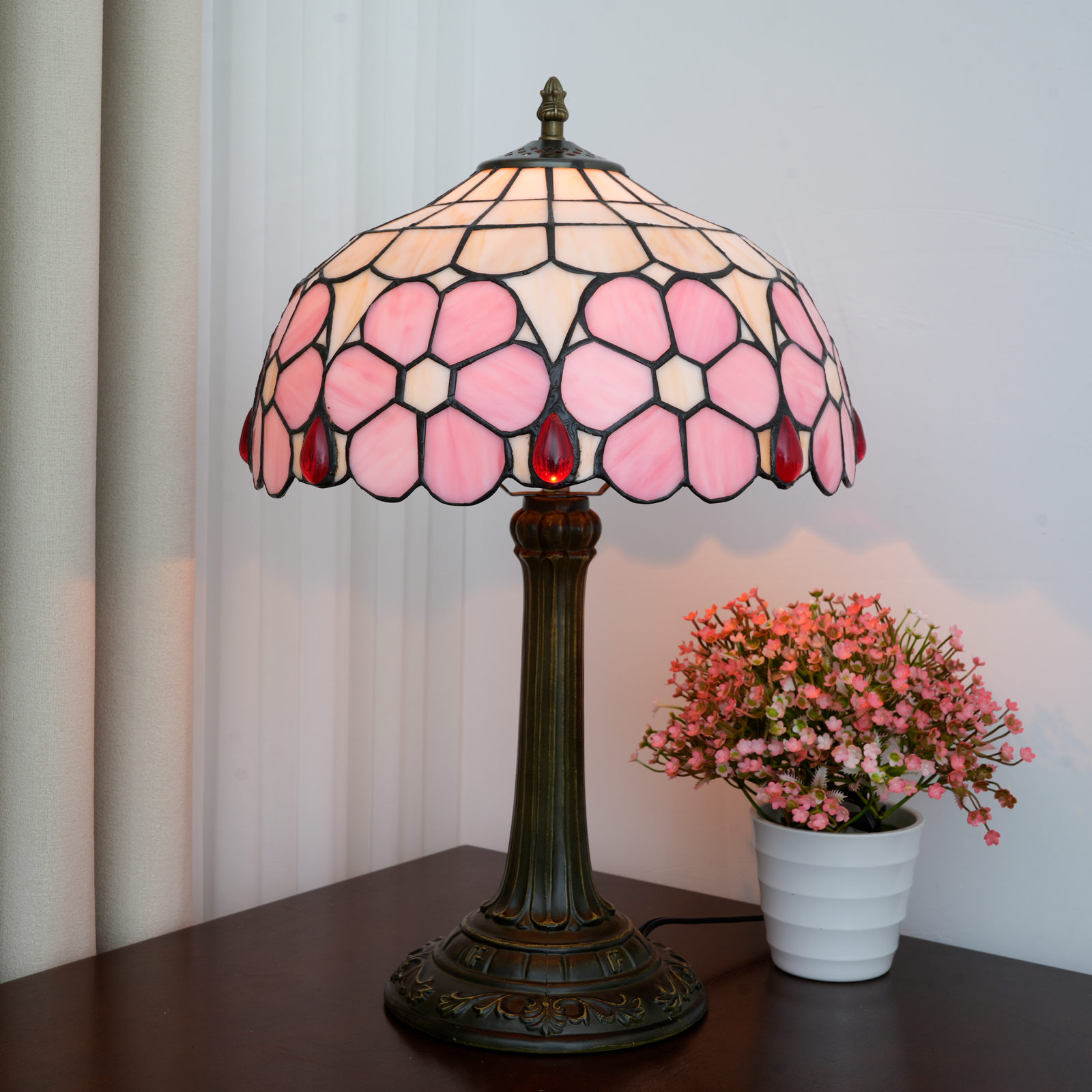
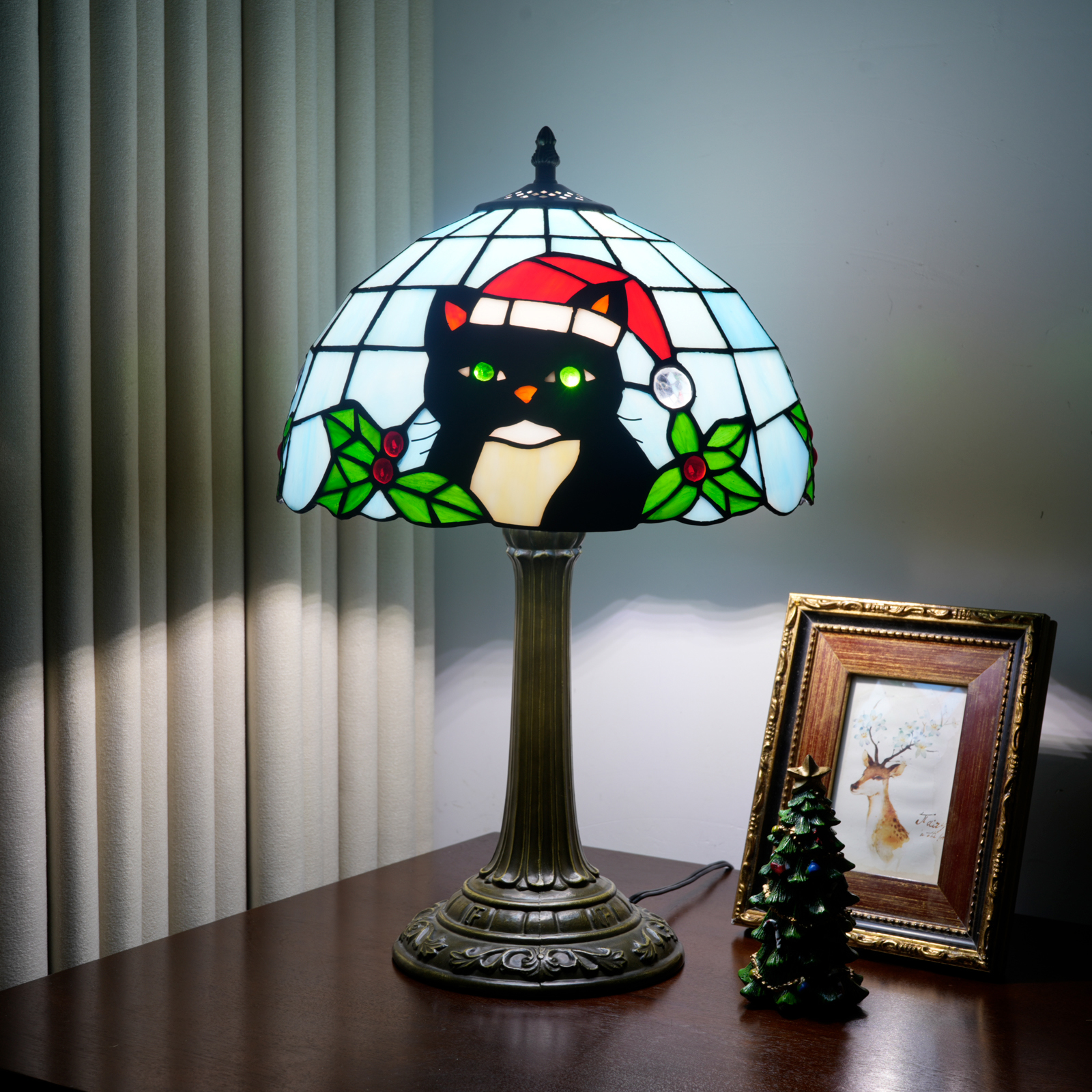
Table Lamps: Classic and versatile, table lamps come in countless designs. They are ideal for placing on a nightstand and can accommodate various bulb types. Look for ones with a compact base and a shade that directs light downward for reading.
Clip-On Lamps: Perfect for small spaces or bunk beds, clip-on lamps attach to your headboard or shelf. They are space-saving and highly adjustable, making them great for reading in bed without disturbing a partner.
Wall-Mounted Lamps: If you're short on nightstand space, wall-mounted lamps are a smart choice. They free up surface area and provide focused task lighting. Many designs plug into a wall outlet, so no hardwiring is required.
Touch Lamps: These are intuitive and easy to use, especially in the dark. A simple touch on the base cycles through brightness levels or turns the lamp on/off. They are great for people who wake up at night and need quick, fumble-free lighting.
Practical Tips for Placement and Use
Once you've chosen your lamp, placement is key to maximizing its benefits:
Position for Reading: Place the lamp so that the light falls directly onto your reading material without casting shadows. Ideally, the lamp should be at eye level when you're sitting up in bed, or slightly lower, to avoid glare.
Layer Your Lighting: Use your small bedside lamp as part of a layered lighting scheme. Combine it with ambient ceiling lights or string lights to create a warm and inviting atmosphere. Dimmable lamps are perfect for adjusting the mood.
Keep It Safe: Ensure the lamp is stable and won't tip over easily. Keep flammable materials away from the bulb, and use LED bulbs which run cooler and are more energy-efficient. Also, check that the cord is long enough to reach an outlet without strain.
Common Mistakes to Avoid
Even with the best intentions, people often make mistakes when choosing a bedside lamp. Here are a few to watch out for:
Ignoring the bulb type: The bulb can make or break your lamp's functionality. Incandescent bulbs are warm but inefficient, while LEDs are energy-saving and come in various color temperatures. Choose a bulb that matches your intended use—soft white for relaxing, bright white for reading.
Overlooking the switch: A hard-to-reach switch can be frustrating. Look for lamps with easy-access switches, such as on the base, cord, or touch-sensitive. Smart bulbs can also be controlled via app or voice, adding convenience.
Neglecting the shade: The shade affects light quality and style. A too-dark shade will block light, while a too-light one may cause glare. Opt for a shade that diffuses light evenly and complements your room's color palette.
Conclusion
A small bedside lamp is a small investment that can greatly enhance your comfort and bedroom ambiance. By considering size, lighting needs, style, and functionality, you can find a lamp that perfectly suits your lifestyle. Remember to place it thoughtfully and choose the right bulb to make the most of your lamp. With these tips, you'll create a cozy and functional bedside setup that you'll love for years to come.
Frequently Asked Questions
What size should a bedside lamp be?
The lamp should be proportional to your nightstand and bed. Generally, the top of the lampshade should be at or slightly below eye level when you're sitting in bed. A height of 24 to 27 inches from the tabletop to the top of the shade is a good range for most standard beds.
What type of bulb is best for a bedside lamp?
LED bulbs are the best choice for bedside lamps. They are energy-efficient, run cool, and come in a range of color temperatures. For reading, choose a bulb with a color temperature of around 3000-4000K (bright white). For relaxing, a warmer 2700K is ideal. Dimmable LEDs offer the most flexibility.
How can I make my bedside lamp smart?
You can easily make your lamp smart by using a smart bulb (e.g., Philips Hue, Wyze) or a smart plug. This allows you to control the lamp via a smartphone app or voice commands (Alexa, Google Assistant). You can schedule it to turn on/off, dim it, or change colors.
Can I use a bedside lamp as the only light source in my bedroom?
While a bedside lamp can provide adequate light for reading or relaxing, it's generally not sufficient as the sole light source for the entire room. It's best used as part of a layered lighting plan that includes ambient and overhead lighting. However, if you prefer a minimalist setup, choose a lamp with adjustable brightness to meet different needs.