




The Ultimate Guide to Light Fixtures: Selection, Installation, and Maintenanceunique lamps
November 12, 2026
Understanding Light Fixtures: Types and Applications
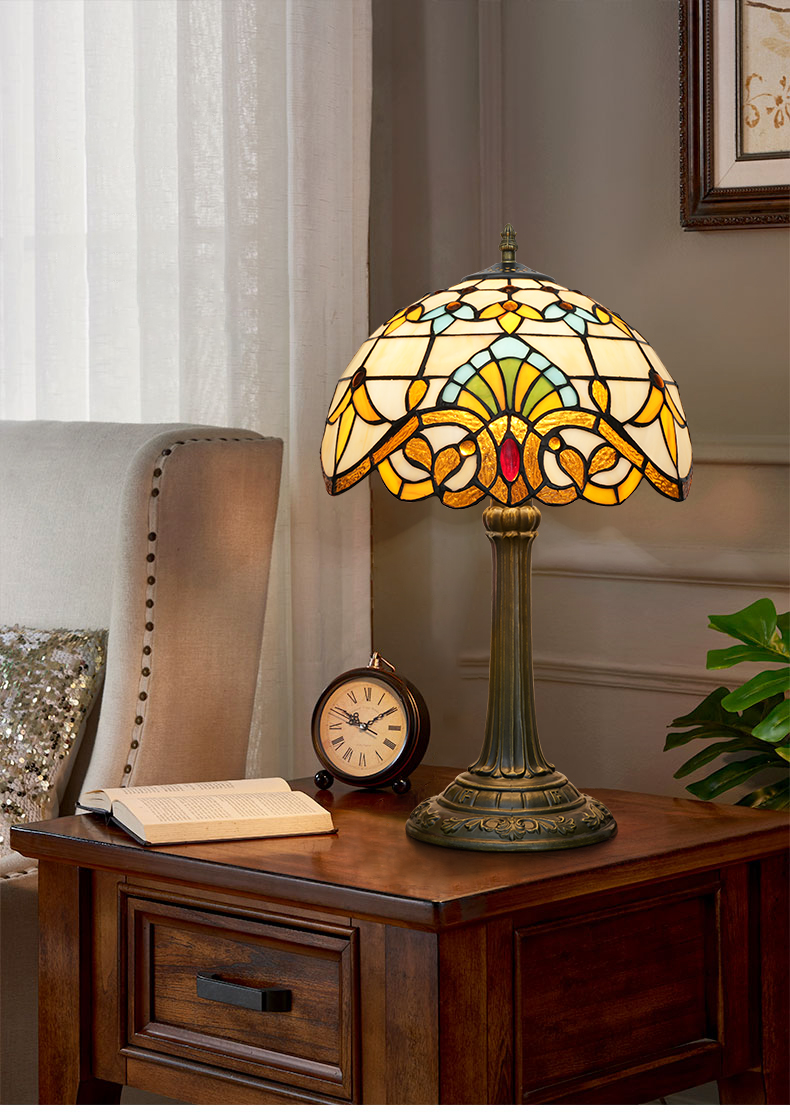
Light fixtures, also known as luminaires, are essential components of any lighting system. They house the light source, provide direction and diffusion, and contribute significantly to the aesthetic appeal of a room. There are numerous types of light fixtures, each designed for specific applications. Ceiling fixtures such as chandeliers, pendants, and flush mounts are ideal for general lighting. Wall sconces add accent lighting and depth to hallways and living areas. Recessed lighting offers a clean, unobtrusive look for kitchens and bathrooms. Track lighting provides flexibility for art galleries and retail spaces. Outdoor fixtures like post lights and floodlights enhance safety and security. Understanding these types helps you choose the right fixture for each space, balancing function and style.
How to Choose the Perfect Light Fixture
Selecting a light fixture involves more than just picking a design you like. Consider the following factors to make an informed decision. First, determine the purpose of the fixture: is it for ambient, task, or accent lighting? Next, assess the size and scale of the fixture relative to the room; a too-small fixture can get lost, while an oversized one can overwhelm. Style is crucial—match the fixture to your interior decor, whether modern, traditional, or industrial. Energy efficiency is another key consideration; LED fixtures consume less power and last longer. Also, check the voltage and wattage compatibility with your electrical system. Finally, consider ease of maintenance; fixtures that are easy to clean and replace bulbs will save you time and effort. By weighing these factors, you can select a fixture that is both functional and visually appealing.
Installation Tips for Light Fixtures
Proper installation ensures safety and optimal performance. Always turn off the power at the circuit breaker before beginning any electrical work. If you're not experienced, hire a licensed electrician. For DIY installation, follow these steps: first, read the manufacturer's instructions carefully. Ensure the electrical box is sturdy and can support the fixture's weight. Use a voltage tester to confirm the power is off. Connect the wires correctly—black to black (hot), white to white (neutral), and green or bare copper to ground. Use wire nuts and secure connections with electrical tape. Mount the fixture according to the instructions, and then restore power. Test the fixture to ensure it works. For outdoor fixtures, ensure they are rated for wet or damp locations and use weatherproof gaskets. If in doubt, consult a professional to avoid hazards.
Maintenance and Care for Longevity
Regular maintenance extends the life of your light fixtures and keeps them looking their best. Dust accumulation can dull light output and create a fire hazard; dust fixtures regularly with a microfiber cloth. For glass or crystal fixtures, use a mild glass cleaner. Replace bulbs promptly when they burn out, and consider upgrading to LED bulbs for energy savings. Check wiring and connections annually for signs of wear or overheating. In outdoor fixtures, clean debris and check for water intrusion. Lubricate moving parts like adjustable arms on task lamps. If you notice flickering or buzzing, it may indicate a loose connection or incompatible bulb; address it promptly. By following a simple maintenance routine, you can enjoy your light fixtures for years.
Common Mistakes to Avoid
Many people make mistakes when selecting or installing light fixtures. Overlooking scale is common; a fixture that's too small for a large room won't provide adequate light. Ignoring color temperature can lead to a mismatch with the room's mood; warm white (2700K-3000K) is cozy, while cool white (4000K-5000K) is energizing. Improper installation without turning off power is dangerous. Neglecting maintenance leads to reduced performance. Avoid these pitfalls by planning carefully and seeking professional help when needed.
Frequently Asked Questions
What is the difference between a light fixture and a luminaire?
They are essentially the same; luminaire is the technical term for a complete lighting unit, while light fixture is the common term.
How do I determine the right size of light fixture for my room?
A general rule: for ceiling fixtures, add the room's length and width in feet; the sum in inches gives the ideal diameter. For pendants over an island, use one pendant for every 2 feet of island length.
Can I install a light fixture myself?
Yes, if you have basic electrical knowledge and follow safety precautions. However, for complex installations or if you're unsure, hire a licensed electrician.
How often should I clean my light fixtures?
Dust them monthly and deep clean every 3-6 months, depending on the environment.
What are the benefits of LED light fixtures?
LEDs are energy-efficient, long-lasting, and available in various color temperatures. They also produce less heat and are more environmentally friendly.