




The Ultimate Guide to Side Table Lamps: Illuminating Your Space with Style and Functionlight fixture
November 12, 2026

Understanding the Role of a Side Table Lamp
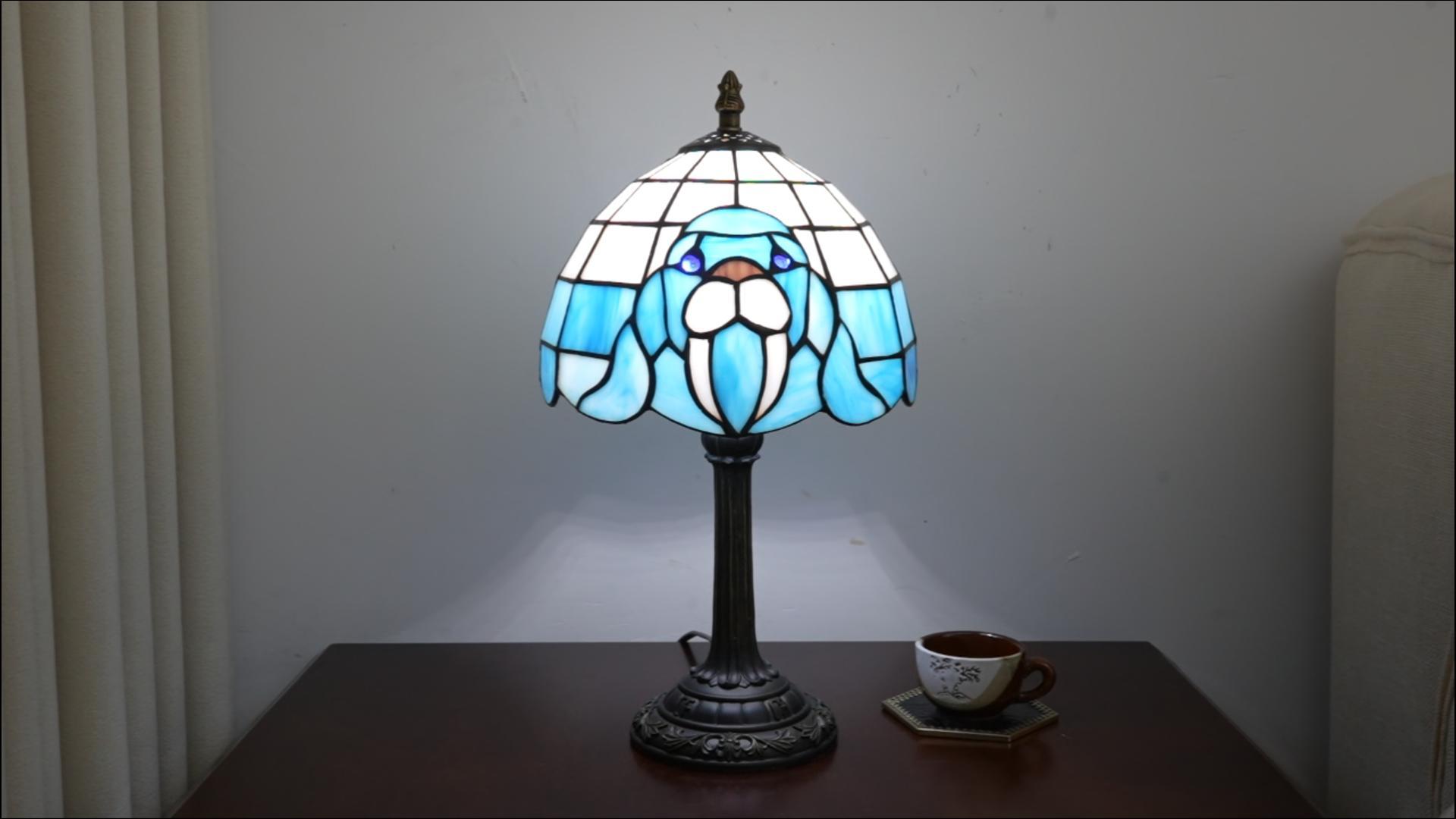
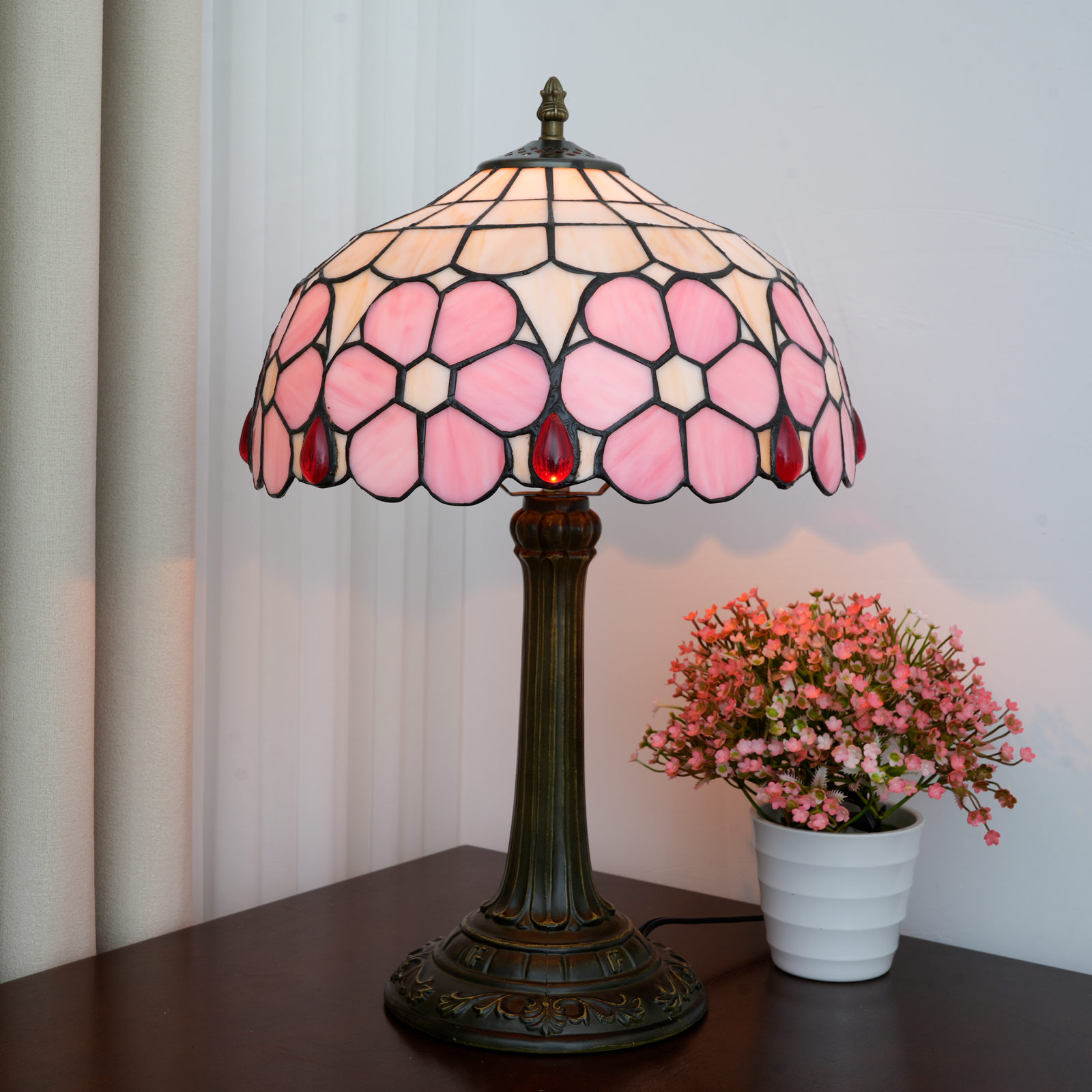
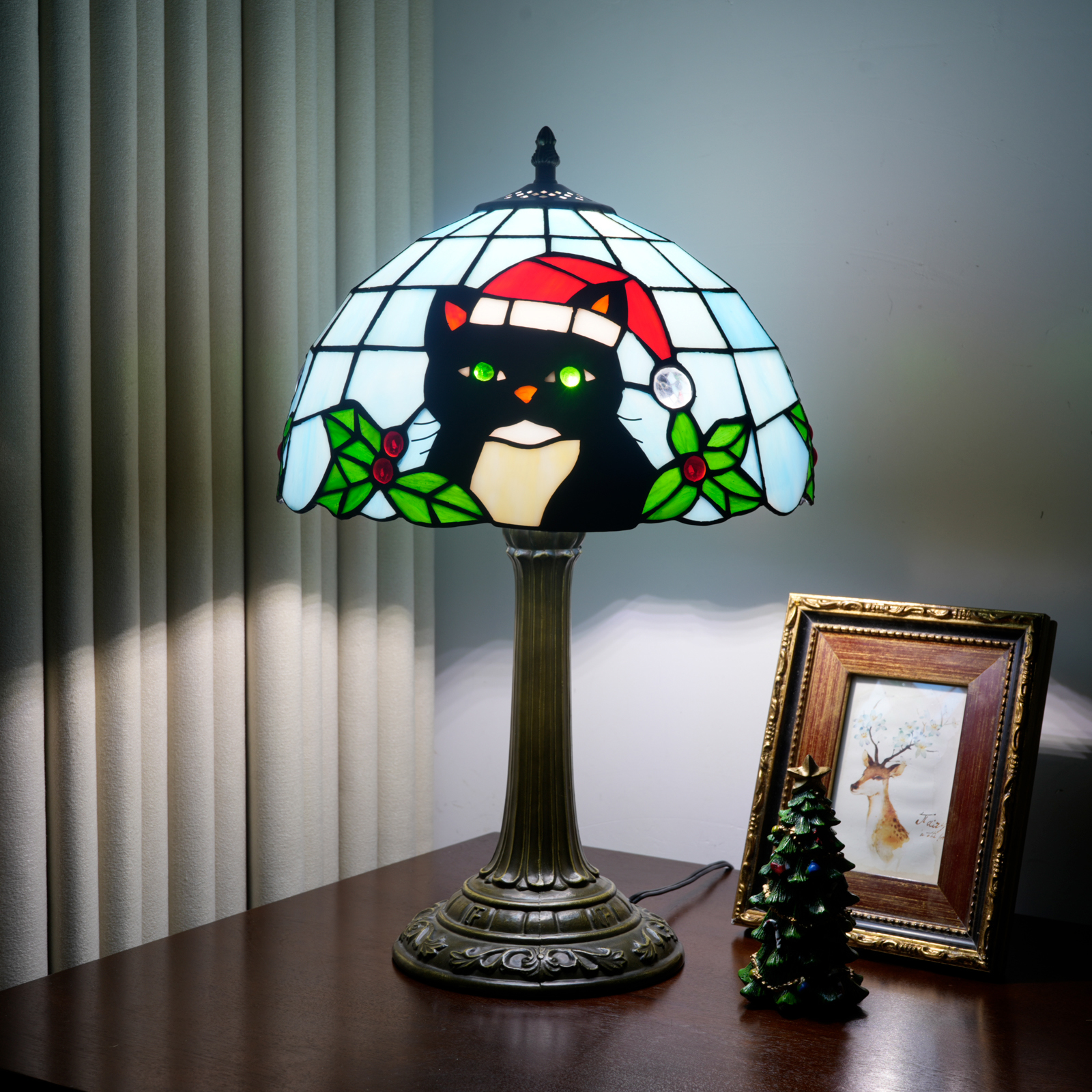
A side table lamp is a versatile lighting fixture designed to sit on a side table, nightstand, or end table. Unlike floor lamps or ceiling lights, these lamps provide task lighting and accent lighting, making them ideal for reading, relaxing, or adding a decorative touch. They are commonly used in living rooms, bedrooms, and even home offices. The right side table lamp can enhance the functionality of your space while complementing your interior design.
Types of Side Table Lamps
When selecting a side table lamp, it's essential to consider the type that best fits your needs. Here are the most common options:
1. Table Lamps with Fabric Shades: These are classic and versatile, offering a soft, diffused light. They work well in traditional and transitional settings.
2. Metal or Industrial Lamps: Perfect for modern or industrial decor, these lamps often feature adjustable arms and a focused light beam, ideal for reading.
3. Ceramic or Glass Lamps: These add a touch of elegance and are available in various colors and patterns, making them a stylish accent piece.
4. Touch-Activated Lamps: Convenient for bedside use, these lamps can be turned on or off with a simple touch, often featuring multiple brightness levels.
5. Smart Lamps: With built-in Wi-Fi or Bluetooth, these lamps can be controlled via smartphone apps or voice assistants, offering scheduling and color tuning features.
Key Factors to Consider When Choosing a Side Table Lamp
Selecting the right side table lamp involves more than just aesthetics. Here are critical factors to keep in mind:
Size and Proportion: The lamp should be proportional to the table and the room. As a rule of thumb, the lamp's height should be about 1.5 times the height of the table. The shade should be wide enough to balance the base.
Light Output and Bulb Type: Consider the purpose of the lamp. For reading, you'll need a brighter light (around 800 lumens). For ambient lighting, a softer glow (400-600 lumens) suffices. LED bulbs are energy-efficient and long-lasting, while incandescent bulbs provide a warm, cozy light.
Style and Material: The lamp should harmonize with your room's decor. A minimalist room might benefit from a sleek metal lamp, while a rustic space could feature a wooden base with a linen shade.
Placement: Think about where the lamp will be placed. For bedside use, consider a lamp with a switch that's easy to reach. For a living room side table, a lamp with a dimmable feature can create a relaxing atmosphere.
Styling Tips for Side Table Lamps
A side table lamp can be a focal point if styled correctly. Here are some ideas:
Pair with Other Decor: Combine the lamp with a small plant, a stack of books, or a decorative bowl to create a vignette. Ensure the lamp doesn't overpower other items.
Use Contrast: If your room has a lot of neutral tones, a lamp with a bold color or unique shape can add visual interest.
Layer Lighting: Use the side table lamp in conjunction with other light sources, such as overhead fixtures or floor lamps, to create a layered lighting scheme.
Common Mistakes to Avoid
Even with careful planning, some mistakes can detract from the functionality and aesthetics of your side table lamp:
1. Incorrect Shade Size: A shade that's too small or too large can look awkward and affect light distribution.
2. Wrong Bulb Wattage: Using a bulb with higher wattage than recommended can be a fire hazard. Always check the lamp's maximum wattage.
3. Poor Placement: Placing the lamp where it causes glare or shadows can be uncomfortable. Test the lamp's position before finalizing.
4. Ignoring Cord Management: A tangled cord can be unsightly. Use cord clips or hidden outlets to keep things tidy.
Maintenance and Care
To keep your side table lamp looking and functioning well, regular maintenance is key:
Cleaning: Dust the lamp and shade regularly with a soft cloth. For fabric shades, use a lint roller or vacuum with a brush attachment.
Bulb Replacement: Replace bulbs promptly when they burn out. Consider switching to LED bulbs for energy efficiency.
Check Wiring: Periodically inspect the cord and plug for damage. If you notice fraying, discontinue use and replace the lamp.
Frequently Asked Questions
What is the ideal height for a side table lamp?
The ideal height depends on the table and intended use. Generally, the lamp should be tall enough that the bottom of the shade is at eye level when seated, allowing for comfortable reading without glare.
Can I use a side table lamp as the main light source?
While side table lamps are typically used for accent or task lighting, they can serve as a main light source in small rooms if they provide sufficient brightness. However, for larger rooms, layering with other light sources is recommended.
How do I choose the right shade for my lamp?
Consider the shade's shape, size, and material. A shade should be proportionate to the base and complement the room's style. Fabric shades diffuse light softly, while metal shades direct light downward.
Are smart side table lamps worth it?
Smart lamps offer convenience and energy savings, especially if you want remote control or scheduling. They are worth it if you value tech integration, but traditional lamps are sufficient for basic needs.
How can I prevent my lamp from tipping over?
Choose a lamp with a heavy, stable base. If the lamp is on a high-traffic table, consider using museum putty or a non-slip pad under the base to increase stability.