




The Timeless Allure of Tiffany Lamps: A Guide to History, Selection, and Carehome decor
November 10, 2026
The History and Significance of Tiffany Lamps
Tiffany lamps, originally designed by Louis Comfort Tiffany in the late 19th and early 20th centuries, are iconic pieces that blend artistry with functionality. As a leading figure in the Art Nouveau movement, Tiffany drew inspiration from nature, resulting in lamps with intricate patterns of flowers, dragonflies, and geometric shapes. These lamps were not merely sources of light but statement pieces that reflected the owner's sophistication and taste. Today, original Tiffany lamps are highly sought after by collectors and can fetch prices ranging from thousands to millions of dollars, while high-quality reproductions allow a wider audience to enjoy their beauty.
Types of Tiffany Lamps
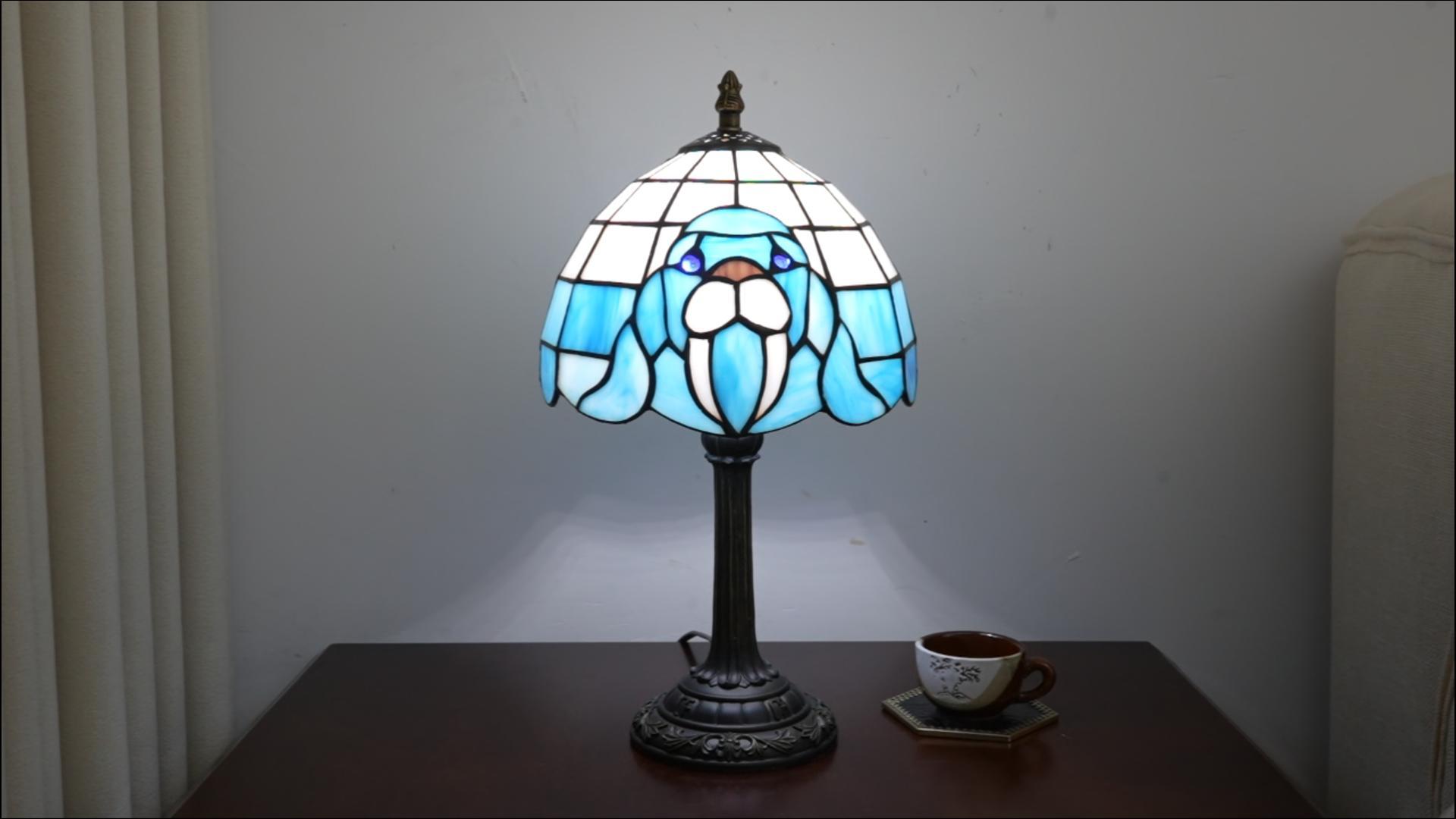
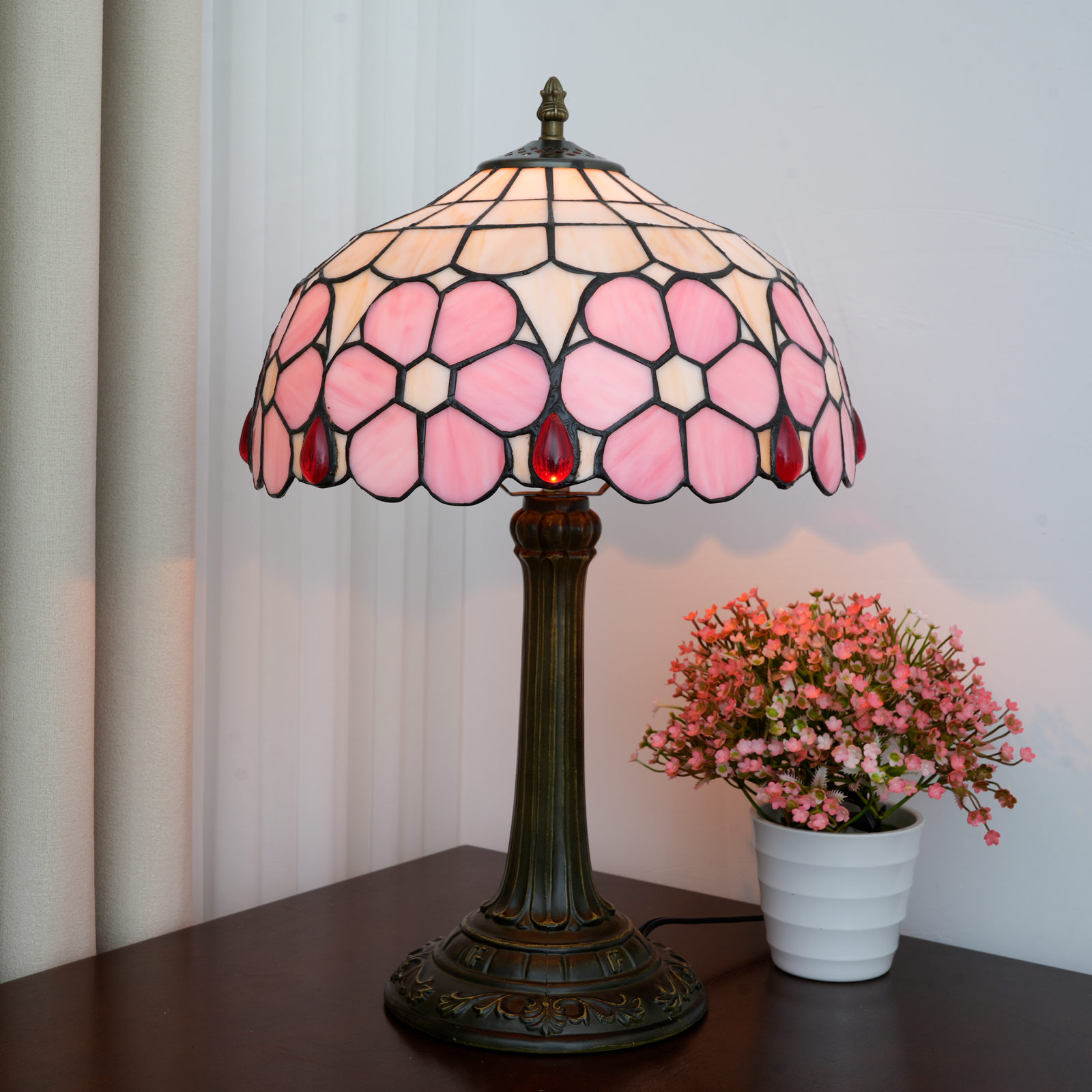
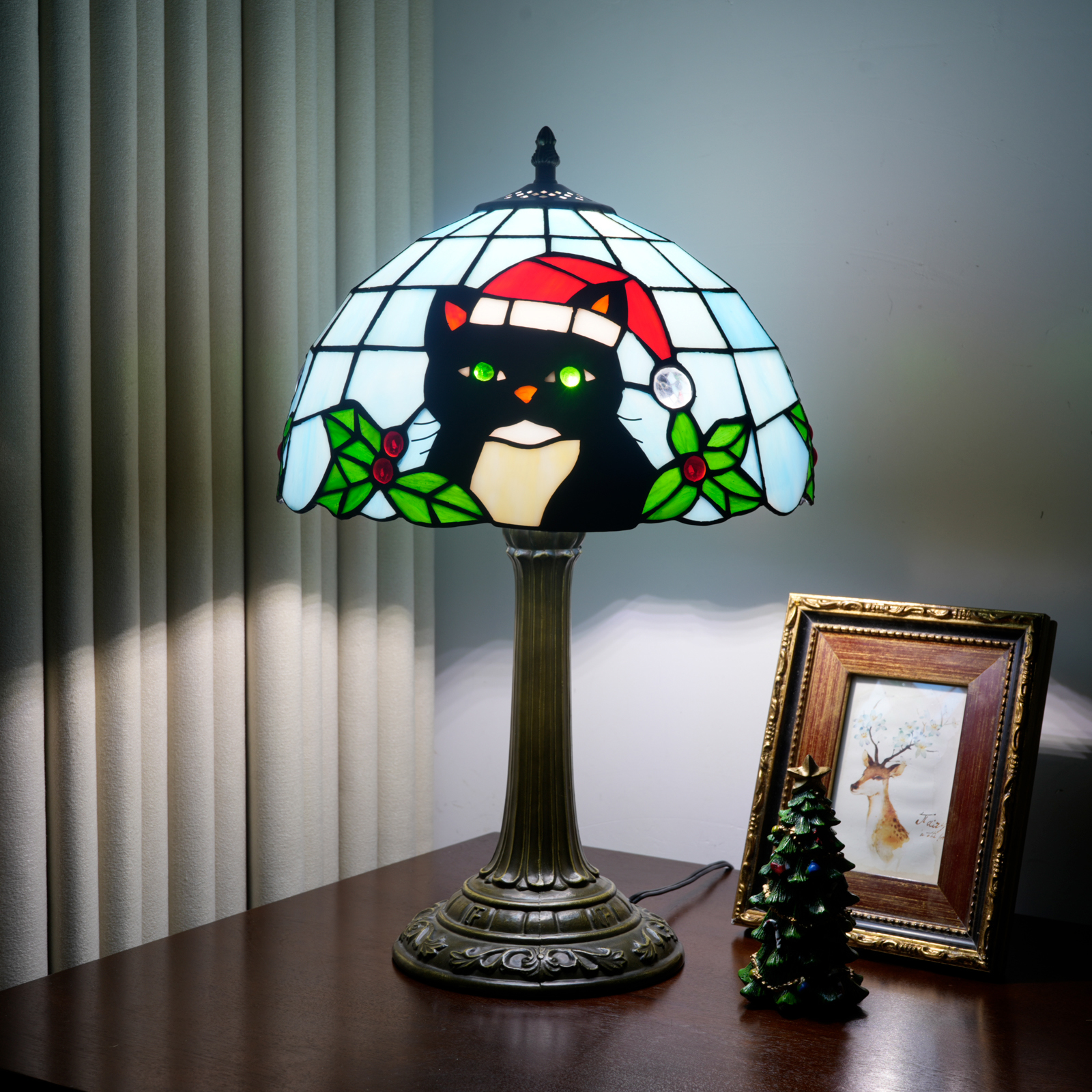
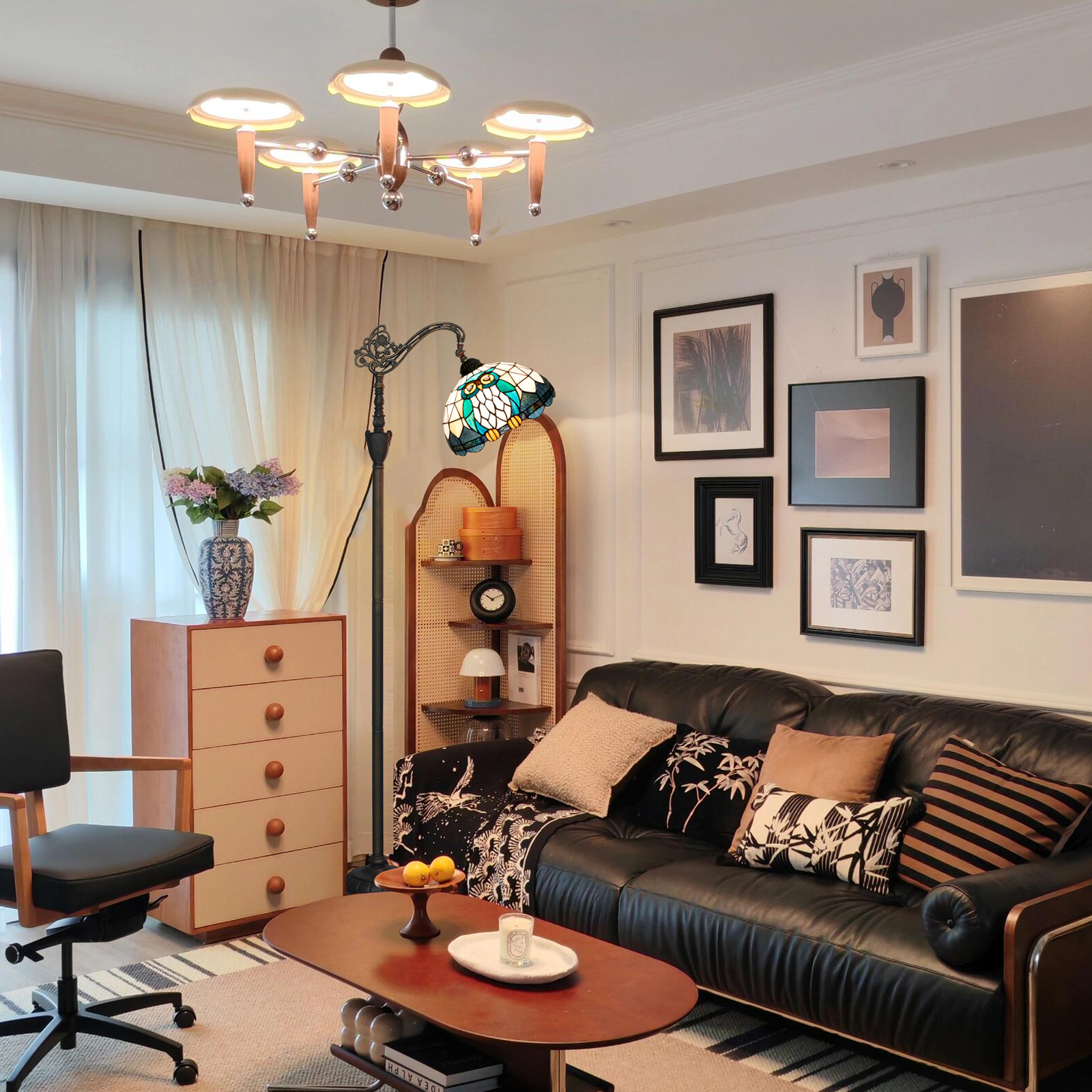
Tiffany lamps come in various styles, each with its own charm. The most common types include table lamps, often featuring dome-shaped shades with leaded glass; floor lamps, which stand tall and make a dramatic statement; and hanging pendants, perfect for adding a touch of elegance to entryways or dining rooms. Within these categories, you'll find sub-styles such as the Dragonfly, Wisteria, and Lotus patterns, each named for its botanical or insect motif. Understanding these styles can help you choose a lamp that complements your decor and personal style.
How to Choose the Right Tiffany Lamp
Selecting a Tiffany lamp requires considering both aesthetic and practical factors. First, determine the size and scale of the lamp relative to your space. A large floor lamp might overwhelm a small room, while a tiny table lamp could get lost in a spacious living area. Next, consider the color palette: Tiffany lamps often feature vibrant hues, so ensure they harmonize with your existing color scheme. Also, think about the lighting effect—these lamps cast a warm, ambient glow, making them ideal for creating a cozy atmosphere. Finally, decide between an original antique and a reproduction. Originals are investments but require careful authentication, while reproductions offer affordability and modern electrical safety.
Caring for Your Tiffany Lamp
Proper maintenance is crucial to preserve the beauty and value of your Tiffany lamp. Dust regularly with a soft, dry cloth to prevent buildup; avoid using harsh chemicals or abrasive materials that could damage the glass or patina. For deeper cleaning, use a mild soap solution and a soft brush, then dry immediately. Handle with care—the leaded glass is fragile and can crack if dropped. Also, check the wiring periodically, especially in vintage lamps, and have a professional electrician replace any frayed cords or outdated sockets. Display your lamp away from direct sunlight to prevent fading, and consider using a dimmer switch to extend bulb life and reduce heat stress on the glass.
Common Questions About Tiffany Lamps
How can I tell if a Tiffany lamp is authentic?
Authenticating a Tiffany lamp requires expertise. Look for a signature or maker's mark on the base or shade, such as "Tiffany Studios New York" or a bronze tag. However, reproductions may also bear similar marks, so consult a reputable appraiser or specialist. Original lamps often have hand-cut glass with subtle variations in color and texture, while fakes may use uniform, machine-made pieces. Provenance, such as original receipts or auction records, can also help establish authenticity.
Are Tiffany lamps suitable for everyday use?
Yes, but with precautions. Original antiques should be used sparingly to avoid wear, while high-quality reproductions are designed for regular use. Ensure the lamp has been rewired to modern safety standards and use LED bulbs to reduce heat. Avoid placing the lamp in high-traffic areas where it might be knocked over.
What is the price range for Tiffany lamps?
Prices vary widely: original antique Tiffany lamps can range from $10,000 to over $1 million, depending on rarity, condition, and pattern. Reproductions or inspired designs are much more affordable, typically costing $100 to $1,000. When buying, factor in potential restoration or rewiring costs for vintage pieces.
How do I incorporate a Tiffany lamp into modern decor?
Tiffany lamps can add a focal point and vintage charm to contemporary spaces. Use a single statement lamp as an accent in a minimalist room, or pair a pendant with sleek furniture for an eclectic mix. Choose patterns and colors that echo your existing decor to create harmony.