




The Timeless Allure of Tiffany Style Lamps: A Guide to History, Craftsmanship, and Decorlamp
November 10, 2026

The Origins and Evolution of Tiffany Style Lamps
Tiffany style lamps are more than just lighting fixtures; they are works of art that trace their roots back to the late 19th century. Created by Louis Comfort Tiffany, these lamps are renowned for their intricate stained glass shades and meticulous copper foil construction. Originally inspired by the Art Nouveau movement, Tiffany lamps were a departure from the mass-produced lighting of the Victorian era, emphasizing handcrafted beauty and natural motifs. Over time, the term 'Tiffany style' has come to describe any lamp that emulates this iconic design, making the elegance of stained glass accessible to a wider audience. Today, these lamps remain a symbol of sophistication, adding a touch of history and warmth to modern interiors.
What Makes a Tiffany Style Lamp Unique?
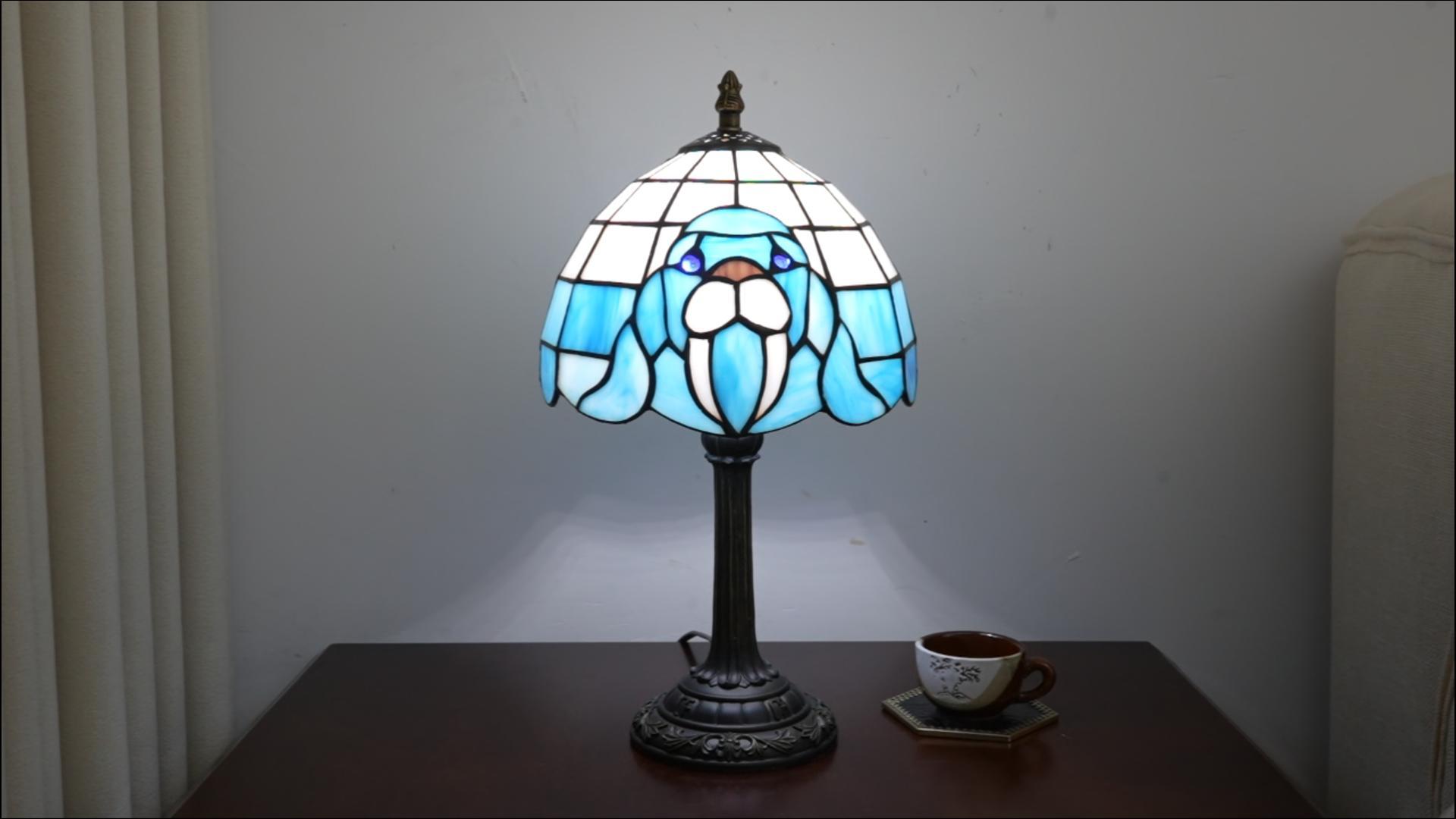
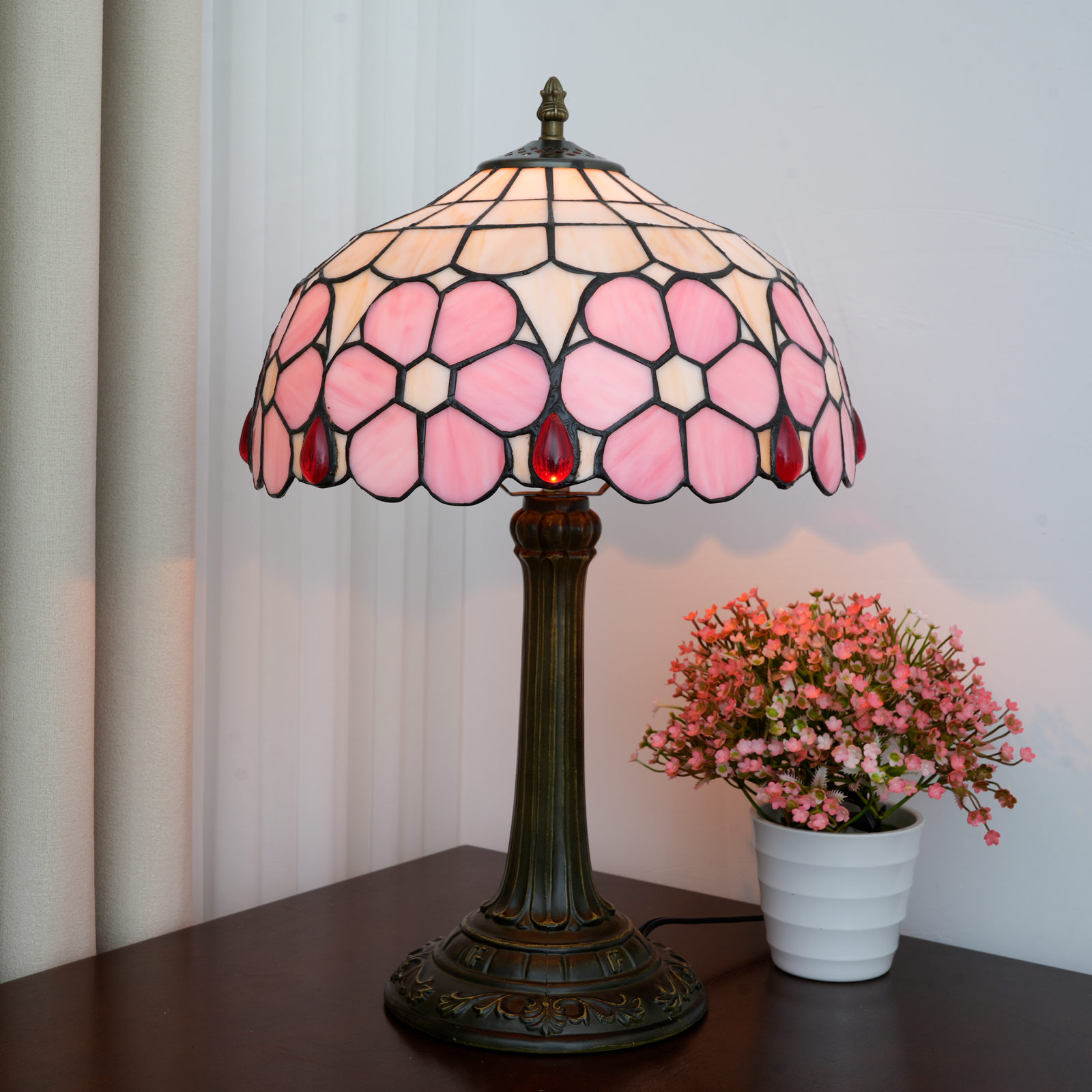
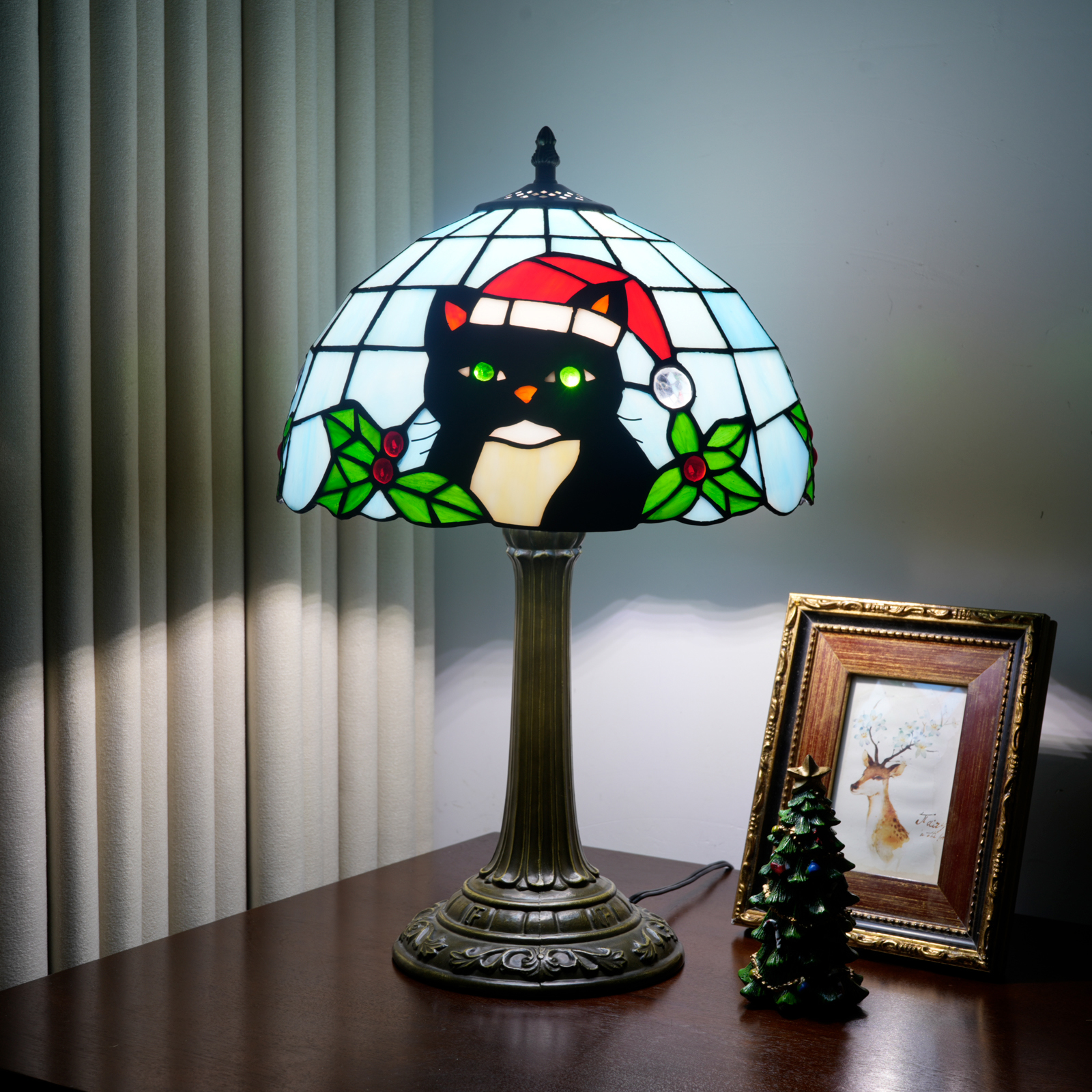
The hallmark of a Tiffany style lamp lies in its stained glass shade, composed of hundreds of individual glass pieces. Authentic pieces use opalescent glass, which contains a milky quality that diffuses light beautifully, creating a soft, ambient glow. The copper foil method, where each glass piece is wrapped in copper and soldered together, is a key technique that gives these lamps their distinctive look and durability. Additionally, the bases are often as artistic as the shades, featuring bronze or brass with detailed castings. When selecting a lamp, look for solder lines that are smooth and evenly applied, and glass that exhibits depth and variation in color. These details separate a quality piece from a mere imitation.
Choosing the Right Tiffany Style Lamp for Your Space
When incorporating a Tiffany style lamp into your home, consider both scale and placement. For a living room, a large floor lamp or a torchiere can serve as a stunning focal point, casting warm light upward. In a dining area, a pendant or chandelier with a stained glass shade adds a romantic ambiance. Table lamps work well in bedrooms or studies, providing focused light for reading. Pay attention to the color palette: warm tones like amber and red create a cozy atmosphere, while cool blues and greens offer a serene vibe. Also, ensure the lamp's height is proportional to the furniture—a table lamp should not overpower a small side table. Test the lamp in your space if possible, or measure carefully before purchasing online.
Craftsmanship and Quality: How to Identify a Well-Made Lamp
Not all Tiffany style lamps are created equal. Quality craftsmanship is evident in several ways. First, examine the glass pieces: they should be tightly fitted with no gaps, and the colors should be consistent yet varied enough to create visual interest. The solder lines should be smooth and uniform, not lumpy or thick. A high-quality lamp will have a heavy, sturdy base to prevent tipping, often made of bronze or iron. The electrical components should be UL-listed for safety, and the socket should be well-attached. If you're considering a vintage or antique lamp, check for signatures or markings that indicate authenticity. Remember, a well-made lamp is an investment that will last for generations.
Care and Maintenance Tips for Longevity
To keep your Tiffany style lamp looking its best, regular care is essential. Dust the shade gently with a soft, dry cloth or a feather duster; avoid using water or cleaning sprays, as they can damage the glass and solder. For deeper cleaning, use a damp cloth with mild soap and dry immediately. Inspect the solder lines periodically for any signs of corrosion; if you notice white powder, gently clean it with a soft brush and apply a thin coat of wax to protect the metal. Ensure the electrical wiring is in good condition, and have a professional rewiring if the lamp is vintage. Also, avoid placing the lamp in direct sunlight, as prolonged exposure can fade the glass over time.
Integrating Tiffany Style Lamps into Modern Decor
Contrary to the belief that Tiffany lamps only suit traditional settings, they can beautifully complement modern and eclectic interiors. In a minimalist room, a single Tiffany lamp can act as a statement piece, adding a pop of color and texture. Pair a stained glass table lamp with sleek, contemporary furniture for an interesting contrast. In a bohemian or eclectic space, cluster several Tiffany lamps of varying sizes for a curated, collected look. Consider using a Tiffany pendant light over a kitchen island to create a warm, inviting gathering spot. The key is to balance the ornate nature of the lamp with simpler surroundings, allowing it to shine without overwhelming the space.
Common Questions About Tiffany Style Lamps
Are Tiffany style lamps real Tiffany lamps?
No, 'Tiffany style' refers to lamps made in the manner of Louis Comfort Tiffany's designs, but they are not produced by the original Tiffany Studios. Authentic Tiffany lamps are antiques and can be extremely valuable, while Tiffany style lamps are modern reproductions or inspired designs. However, high-quality Tiffany style lamps can still be beautiful and well-crafted.
How can I tell if a Tiffany style lamp is of good quality?
Look for tight glass fit, smooth solder lines, a heavy base, and UL-listed electrical components. Quality lamps often use opalescent glass and have a sturdy feel. Avoid lamps with loose pieces, rough solder, or flimsy bases, as these are signs of poor craftsmanship.
Can I use a dimmer switch with a Tiffany style lamp?
Yes, most Tiffany style lamps can be used with a dimmer switch, provided the bulb and dimmer are compatible. This allows you to adjust the light level to suit different moods. However, check the lamp's wiring and bulb specifications to ensure compatibility.
How do I clean a Tiffany style lamp shade?
Dust regularly with a soft cloth. For deeper cleaning, wipe with a damp cloth and mild soap, then dry immediately. Avoid harsh chemicals or soaking the shade, as this can damage the glass and solder. Never spray cleaning solutions directly onto the shade.
Where is the best place to buy a Tiffany style lamp?
You can find Tiffany style lamps at specialty lighting stores, antique shops, and reputable online retailers. Look for sellers that provide detailed descriptions and high-resolution images. Read reviews and check return policies. For authenticity, consider visiting estate sales or auctions for vintage pieces.